
We Didn't Discover Ascoli Piceno. We Came Back to It.
Ascoli Piceno, Le Marche, Italy
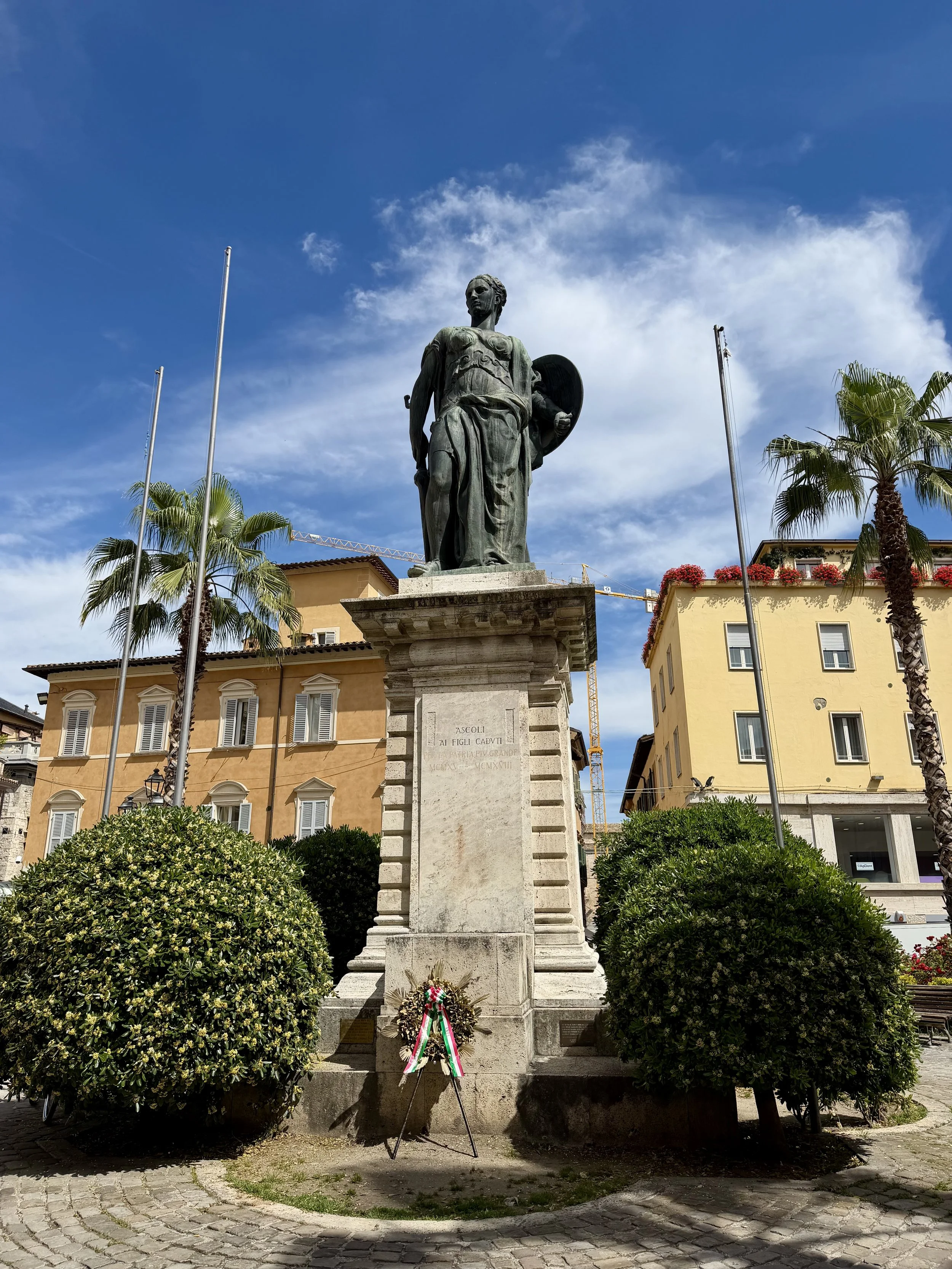
There's a moment when a place stops feeling like a destination and starts feeling like home. For us, that moment happened in Ascoli Piceno.
Before we tell you why, you should know what you're walking into. Ascoli Piceno isn't just old — it's older than Rome. The city was founded by the Piceni, an ancient Italic people, roughly a century before Rome was even born. Tucked into the valley where the Tronto and Castellano rivers meet, its location wasn't an accident. Rivers on multiple sides made it naturally defensible, while its position on the Via Salaria — the ancient salt road linking the Tyrrhenian Sea to the Adriatic — made it a center of trade and power long before the Romans ever arrived. When Rome finally did take the city, they didn't just conquer it. They leveled it and rebuilt it almost entirely in travertine — which is why the city glows the way it does today.
That kind of layered history is rare even in Italy. And it's the backdrop to a much more personal story — ours.
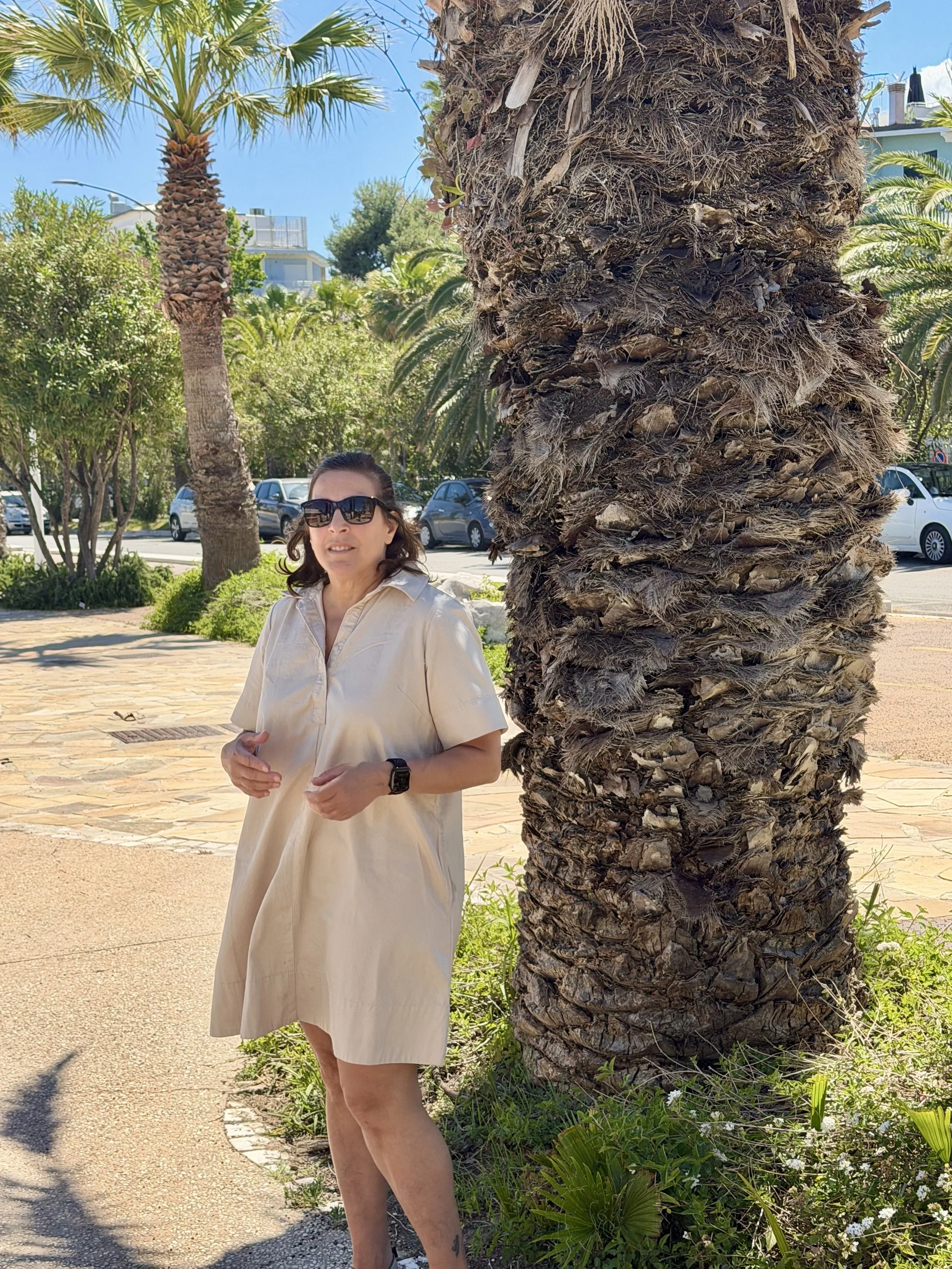
My husband has been coming here since he was a child. For over twenty years, this corner of Le Marche has been the place this family returns to — for the food, for the people, for the feeling of a place that never tries to be anything other than exactly what it is. I have family here too. So does he. This region is in our bones.
So when we finally said out loud what we'd been quietly thinking for years — what if we just stayed? — it didn't feel like a big leap. It felt overdue.
We're now living in Ascoli Piceno part time. And everything you'll read from us about Le Marche comes from that. Not a press trip. Not a long weekend. Twenty years of showing up and never wanting to leave.
First Impressions
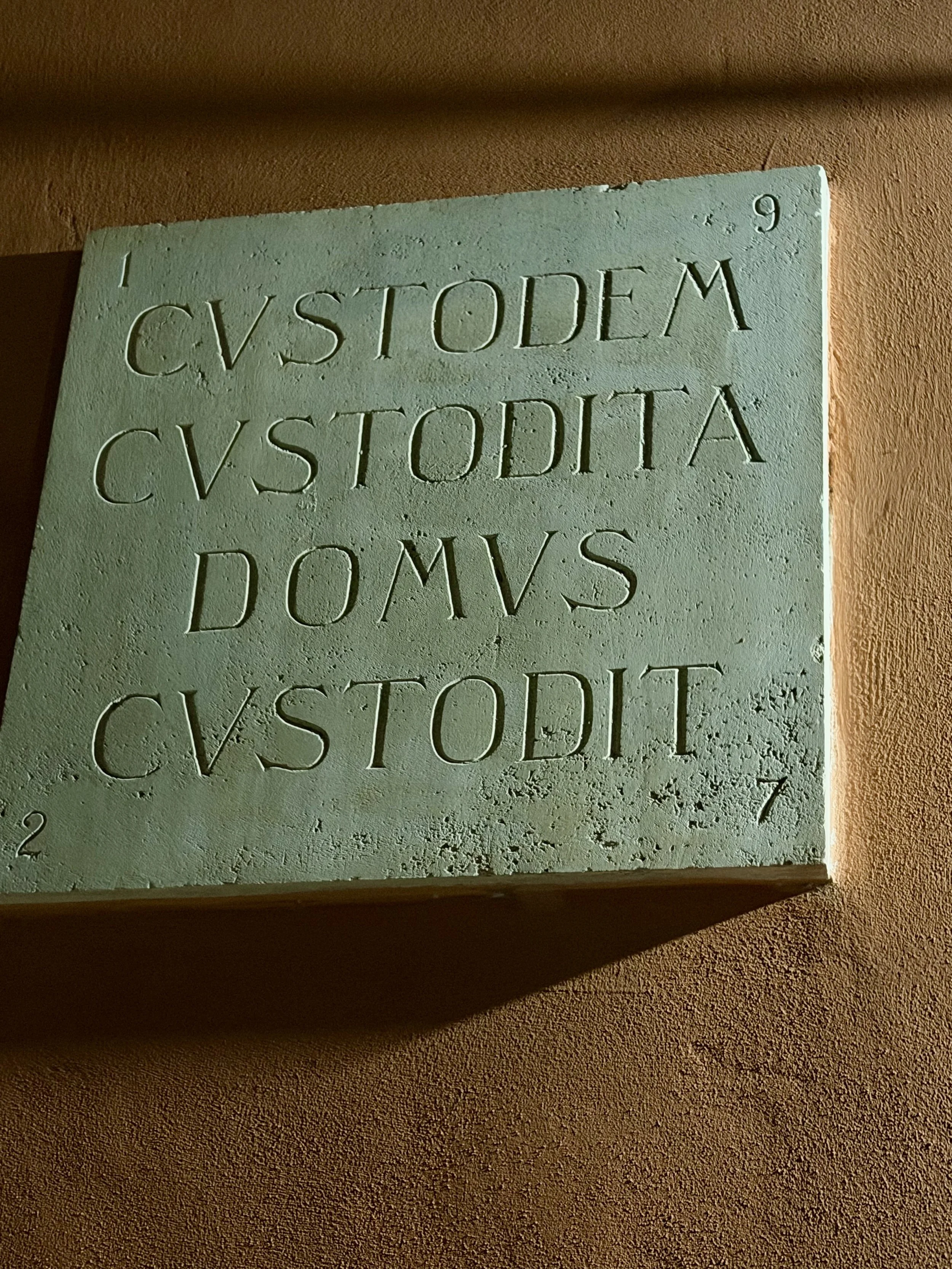
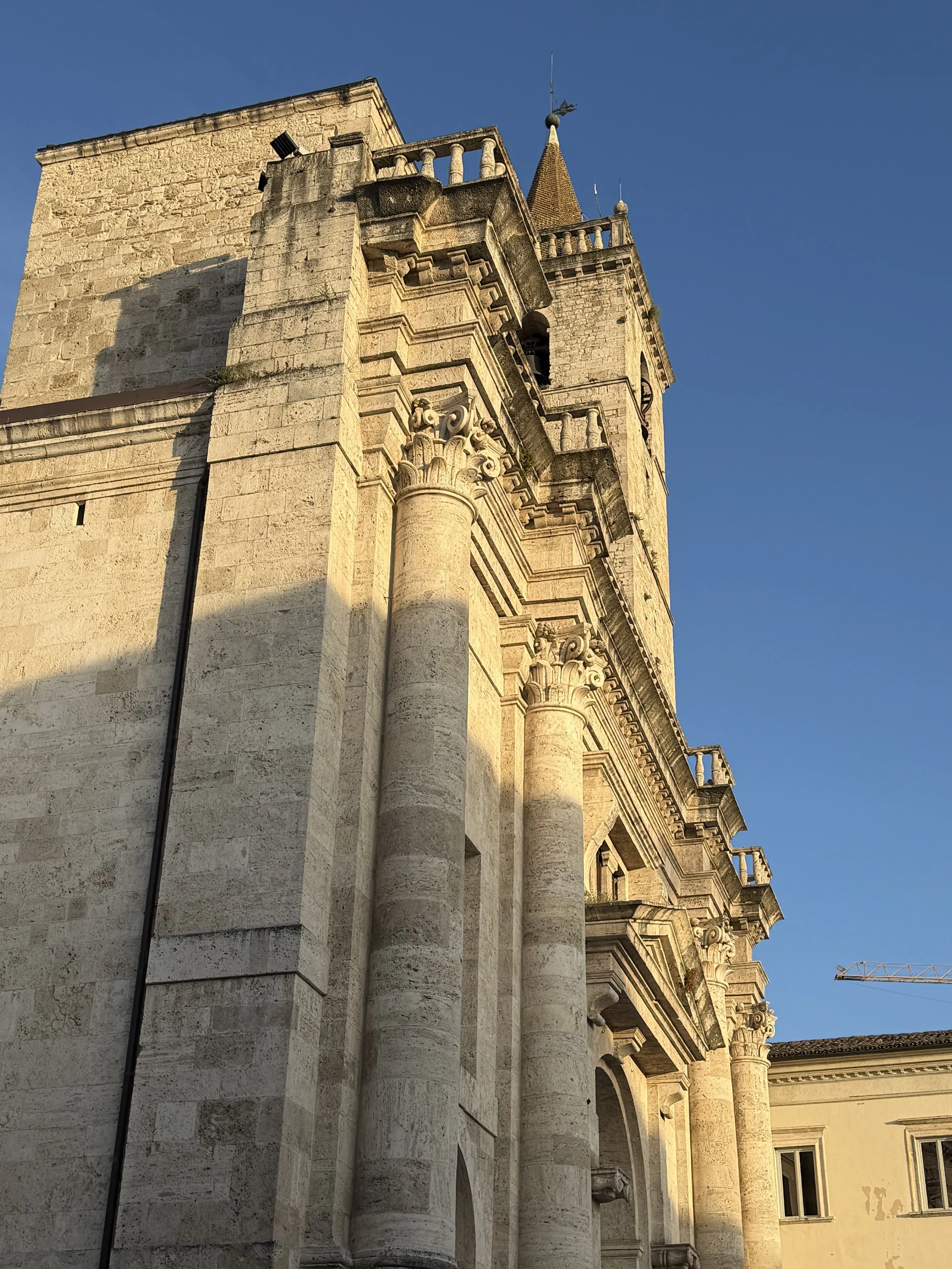
You arrive and the first thing you notice is the stone. Ascoli Piceno is built almost entirely in travertine — a warm, pale limestone that catches the light differently at every hour of the day. Nothing about it feels staged or curated for tourists. The inscriptions on the walls are in Latin. The fountains still run with fresh water. The bell towers have been standing since the Middle Ages and show no signs of hurrying anywhere.
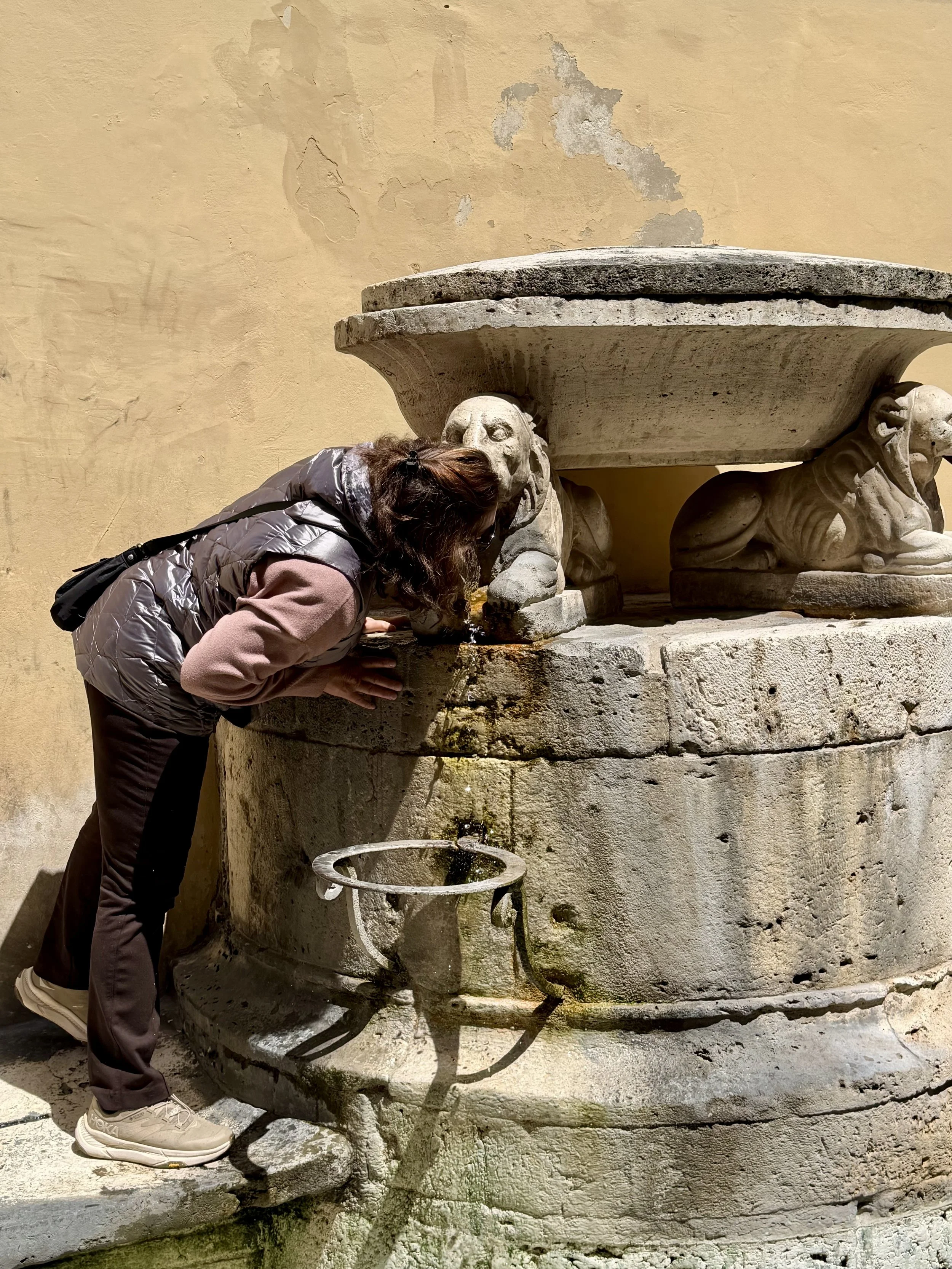
Stopping to Drink Where Travelers Have Stopped for Thousands of Years
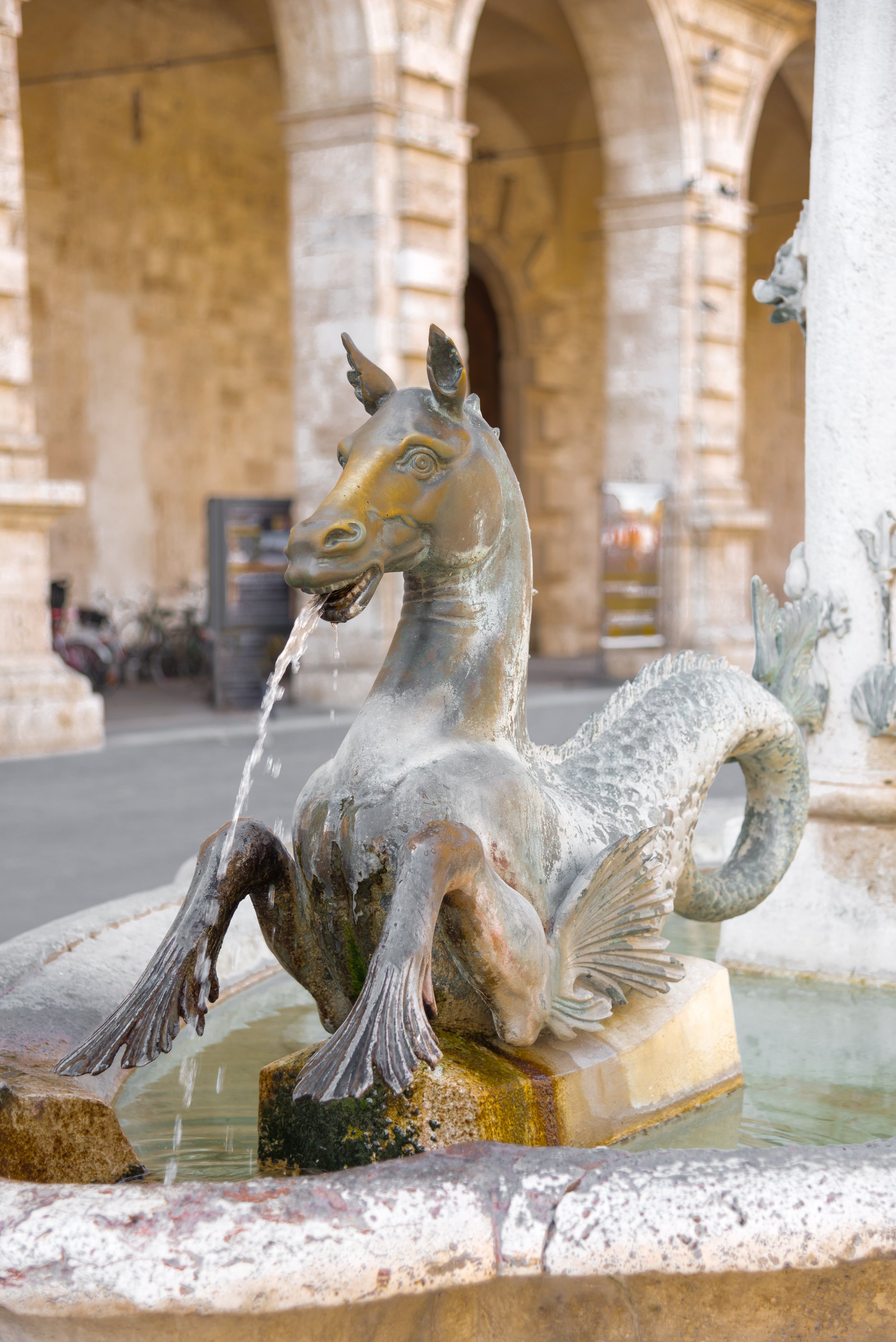
Ascoli's public fountains have been running since before Rome existed. This one, tucked into a quiet corner of the old town, still flows the same way it always has — fed by the same mountain springs that have kept this city alive for thousands of years. After a few hours of exploring under the sun, I did exactly what travelers have done here for centuries. I stopped, and I drank.
The Piazza
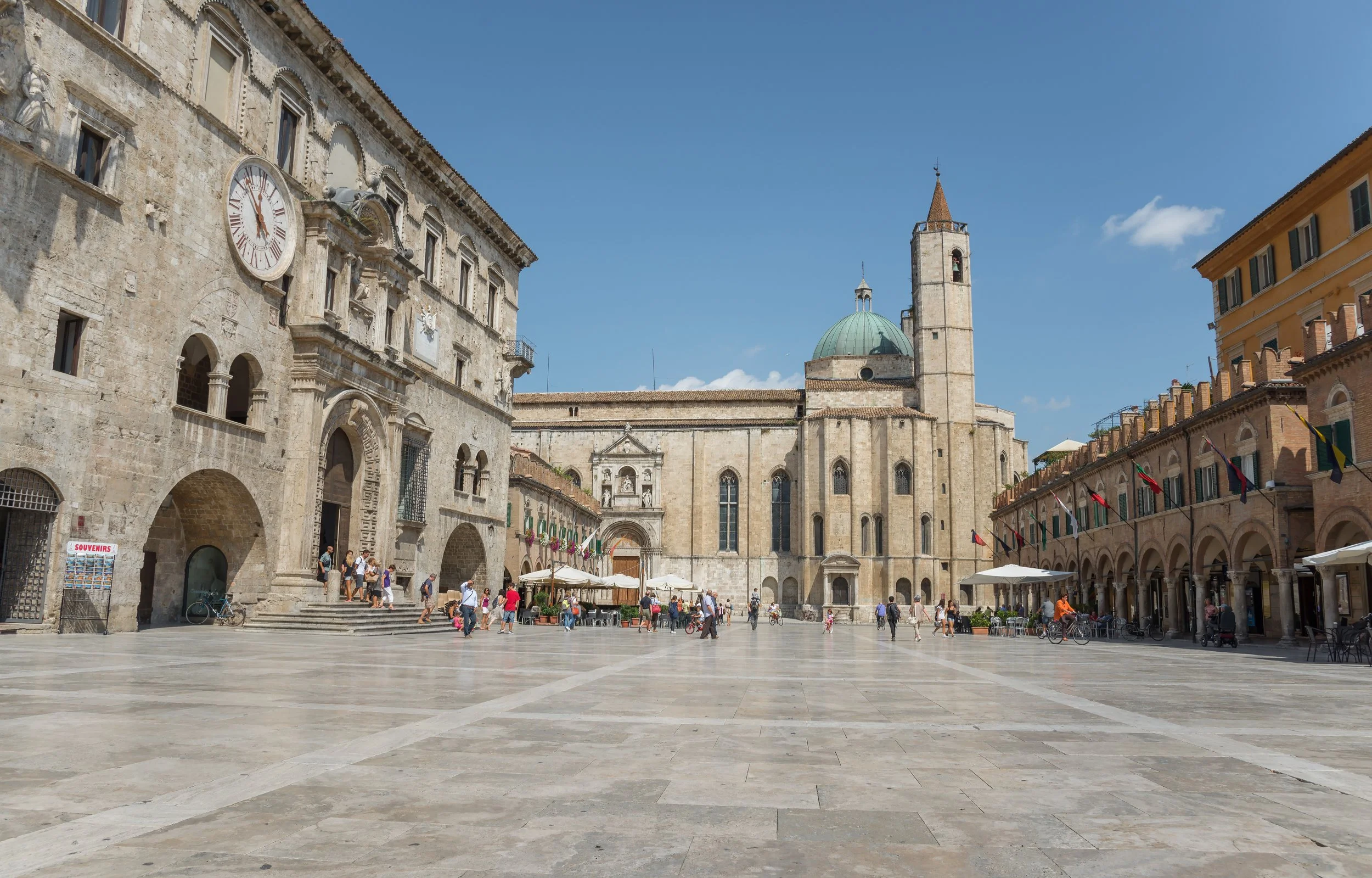
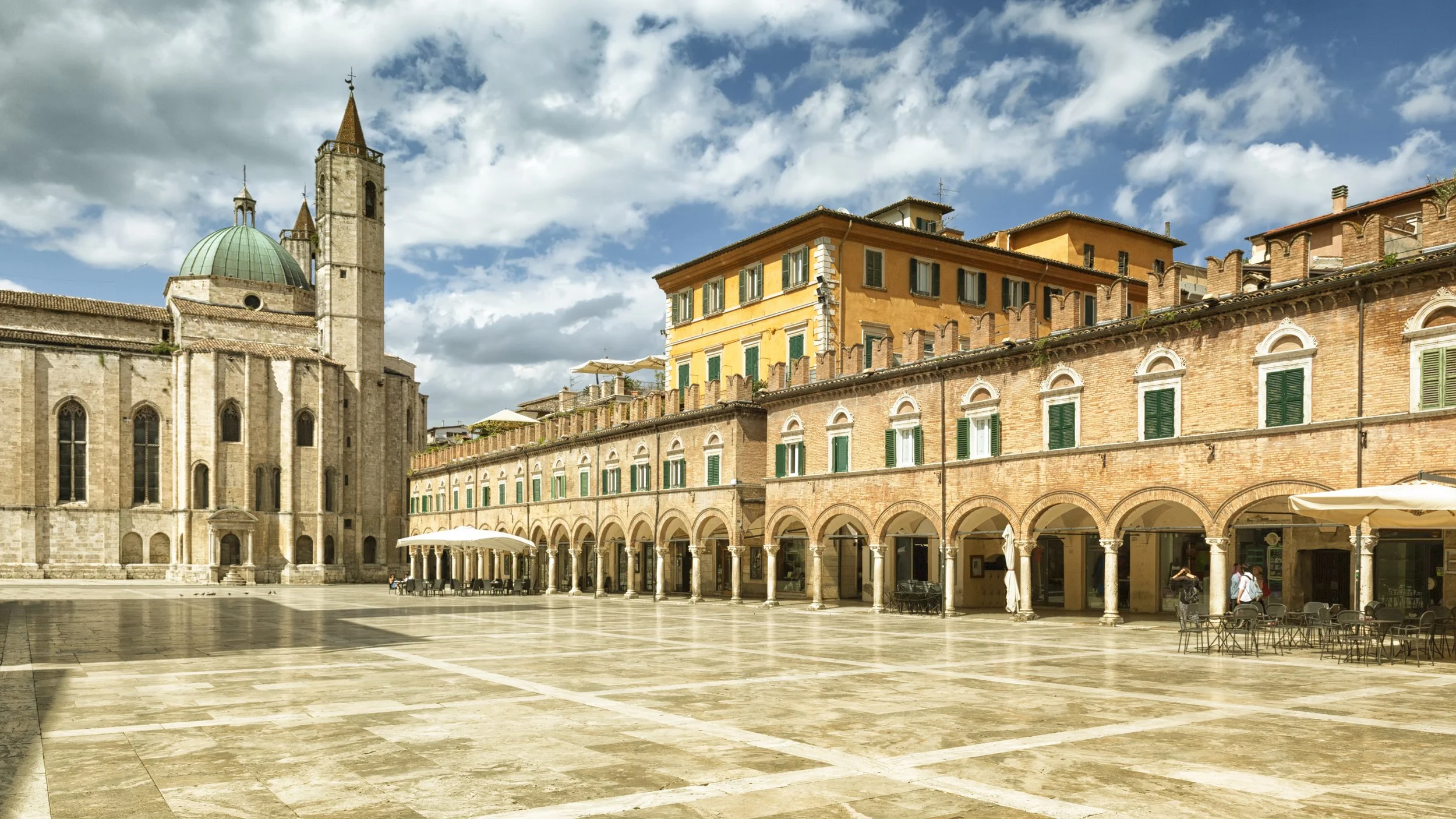
Piazza del Popolo is considered one of the most beautiful piazzas in all of Italy — and it earns the title. Lined with Renaissance arcades, anchored by the Palazzo dei Capitani and the Church of San Francesco, it functions as the living room of the city. Locals don't rush through it. They sit in it, drink in it, argue in it, and greet their neighbors in it, every single day.
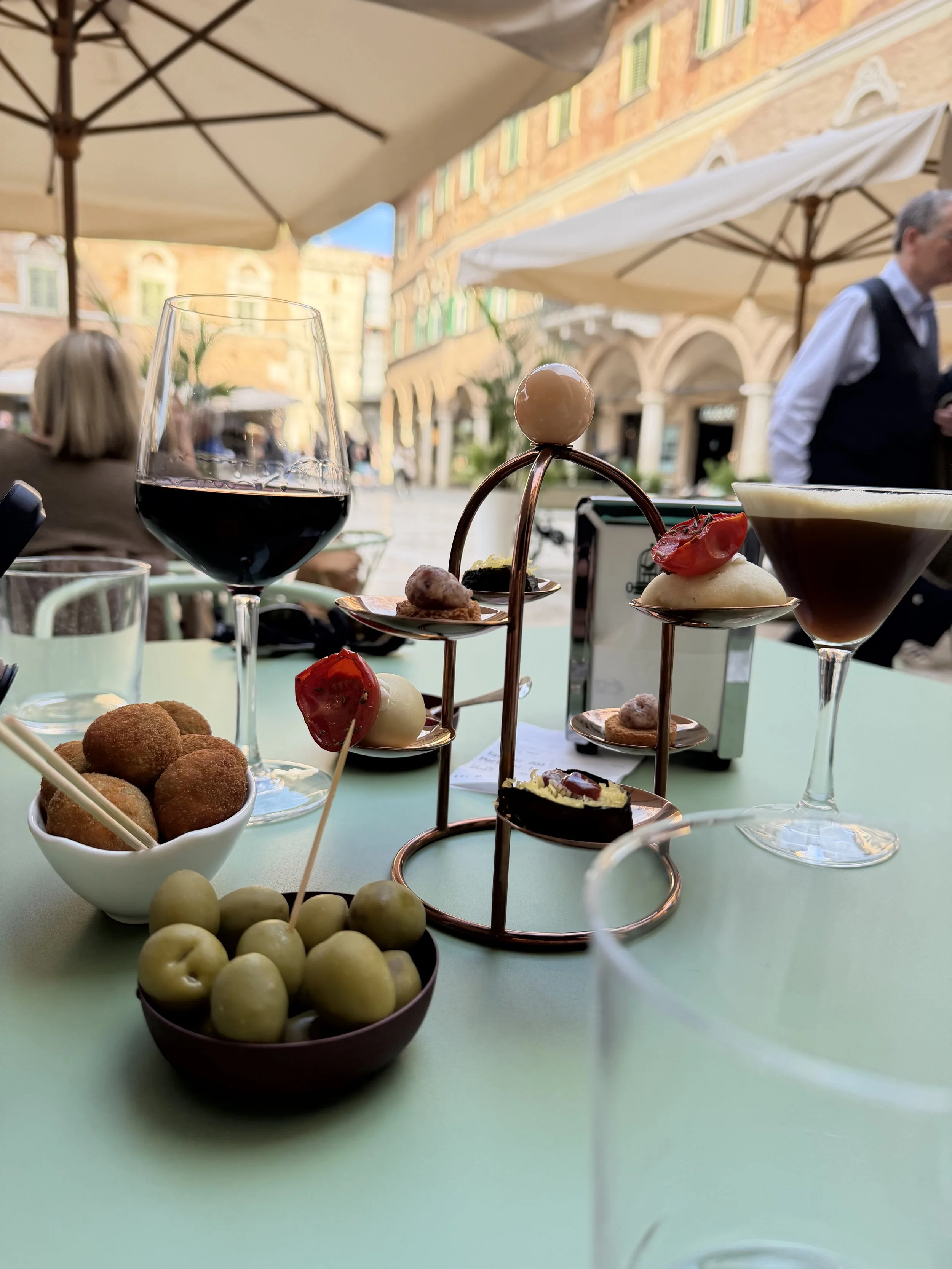
The ritual here is aperitivo. You sit outside, usually at Caffè Meletti — open on this piazza since 1907 — and the table arrives with a glass of wine, a bowl of olive ascolane (fried, stuffed olives that originated right here in this town), and whatever small bites the kitchen feels like sending out that day. There is no rushing this. You are not allowed to rush this.
The Food
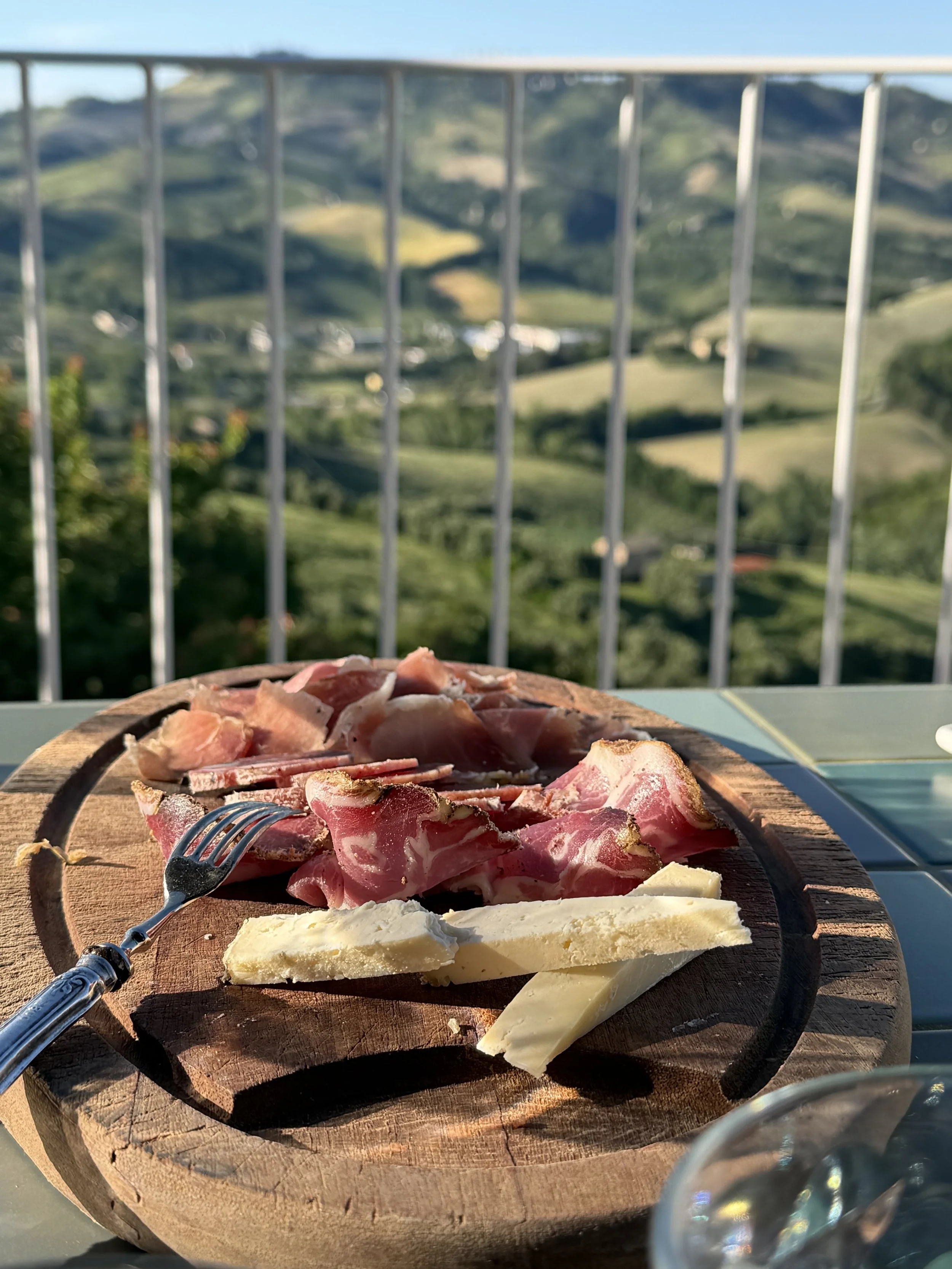
Beyond the piazza, Ascoli's food culture runs deep. The olive ascolane get all the attention — rightfully — but the region's salumi, local cheeses, and simple preparations of seasonal ingredients are what keep you coming back. Sit anywhere with a terrace looking out at the hills and order a board of local cured meats. The view does the rest.
The. Architecture
Walk ten minutes in any direction and you'll find a Roman ruin sitting next to a medieval tower sitting next to a Renaissance church sitting next to someone's apartment where laundry is drying on the line. This is not a museum town. It is a living city that happens to be several thousand years old.
The Location
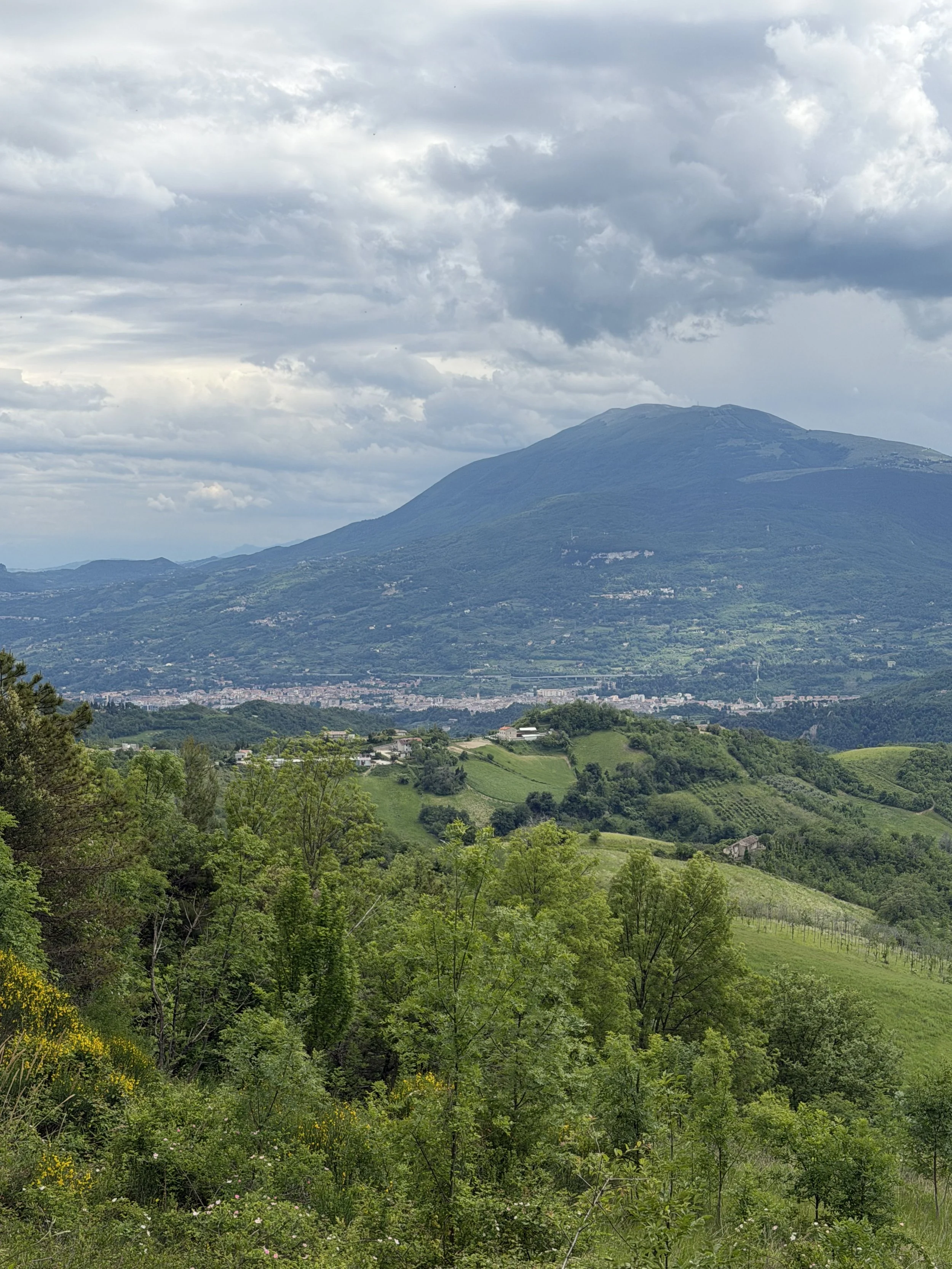
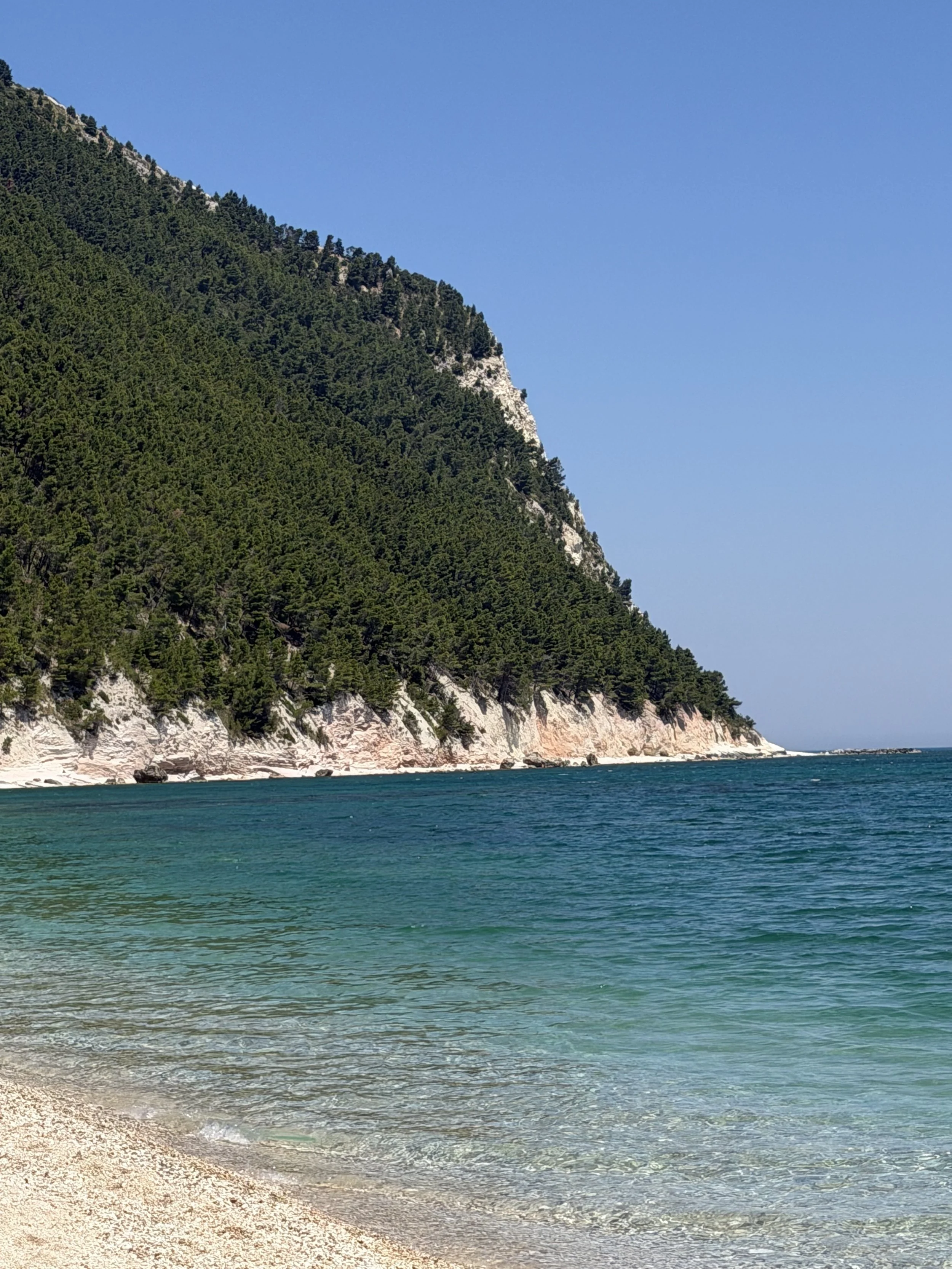
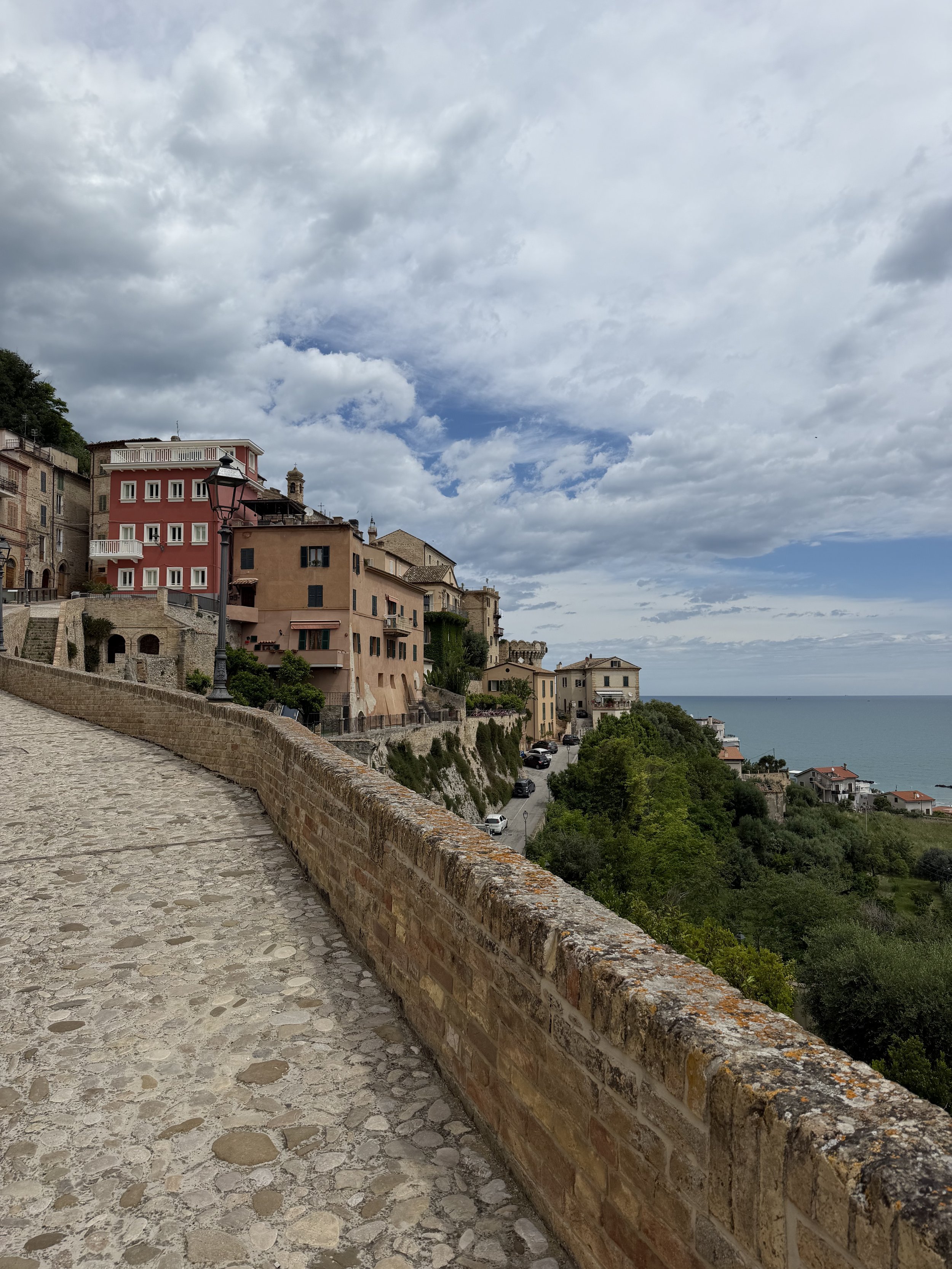
What makes Ascoli Piceno work as a base — for us and for our clients — is the range. You are 35 minutes from the Adriatic coast and towns like Grottamare. You are 40 minutes from the Sibillini mountains, one of Italy's most dramatic and undervisited national parks. And you are 2.5 hours from Rome. In every direction, there is something worth driving toward.
Why We're Telling You This
We're not sharing this to show off. We're sharing it because this is what Aqua Luxe Voyages — a division of An Epicurean Voyage — is built on: real experience, real places, real recommendations from someone who has actually been there, eaten there, gotten lost there, and decided to stay.
Le Marche is one of the last regions of Italy where you can still have the Italy experience people think they're going to have before they arrive somewhere else. No lines. No performance. Just the real thing.
If you want to experience it — we know exactly how to get you there.