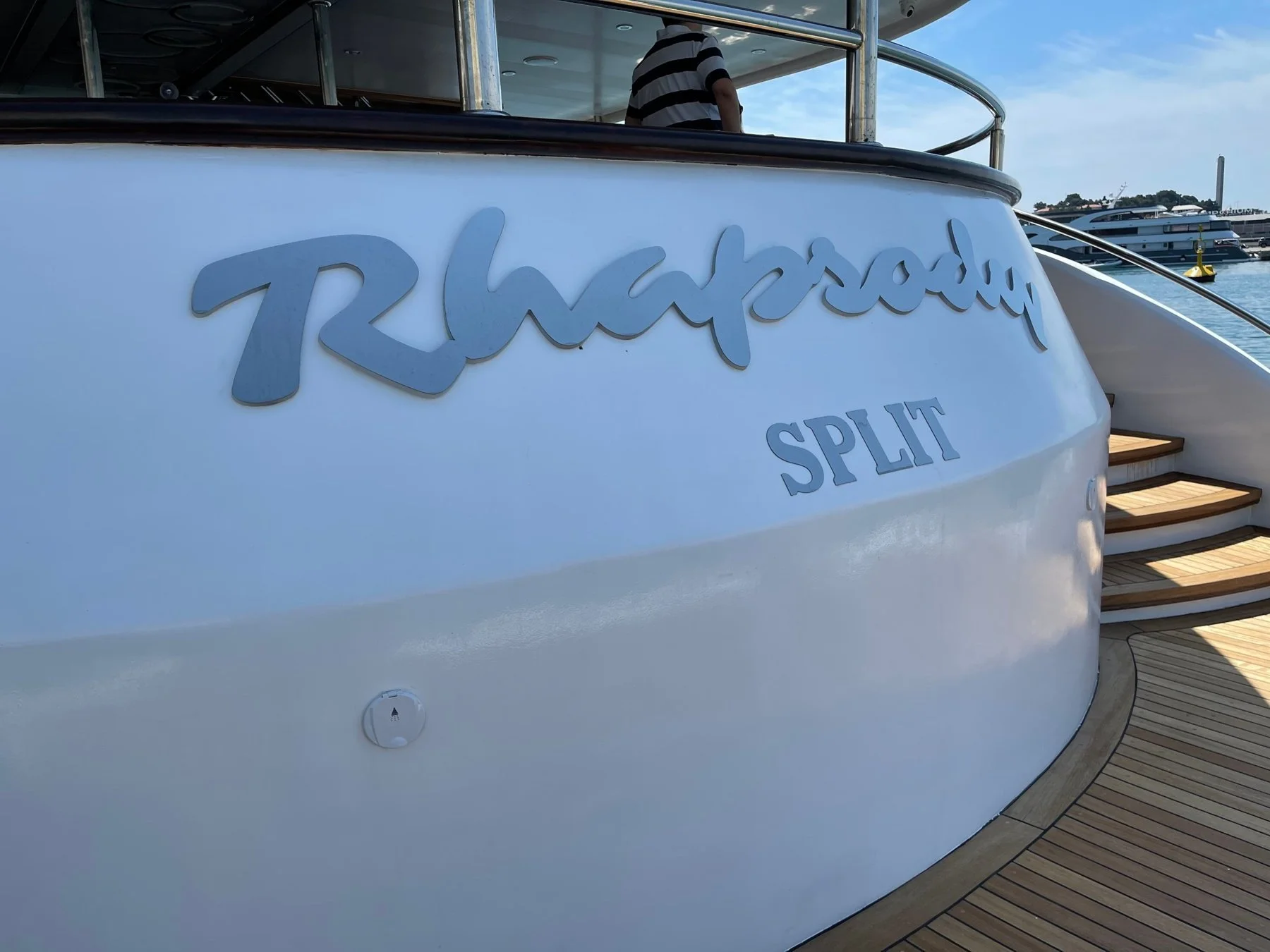
Twenty guests, one yacht, and the Adriatic in June
I was in Croatia in June for an ASTA destination conference, and stayed on afterward for a small yacht cruise with just 20 guests. We set off from Dubrovnik and spent the week island hopping down the Dalmatian coast: Korčula, Hvar, Vis and Brač, then Trogir and the waterfalls of Krka, with a land tour waiting in nearly every port.
I'm going to keep the words short and let the photos do most of the talking. Three things stayed with me long after I flew home: the sunsets, the food, and the sheer beauty of every island we pulled into. Here is what I loved most, island by island.
Dubrovnik: where the voyage began
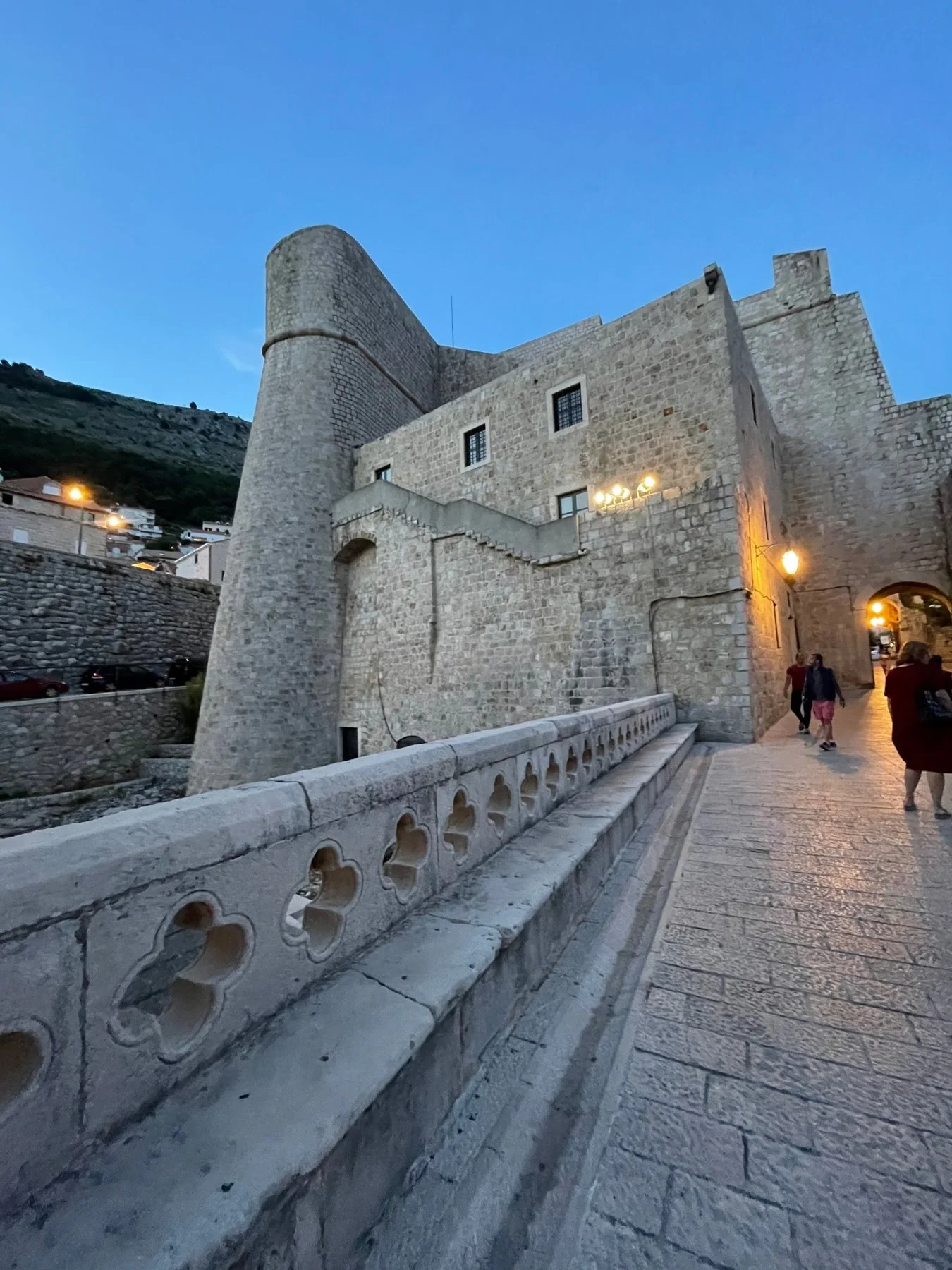
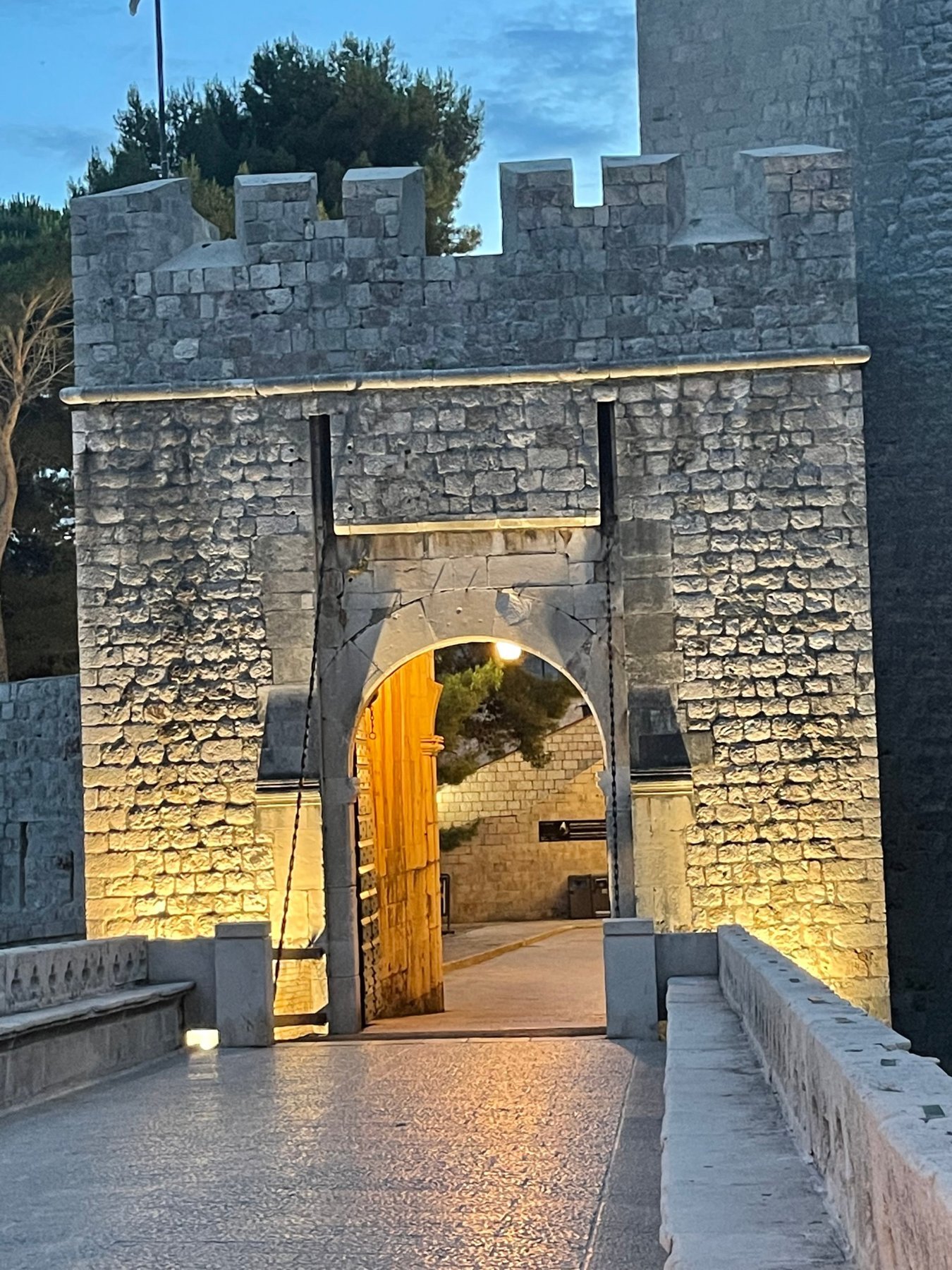
Dubrovnik is a city you walk into through a gate, and that sets the tone. Step through the Pile Gate and the noise of the modern town simply stops.
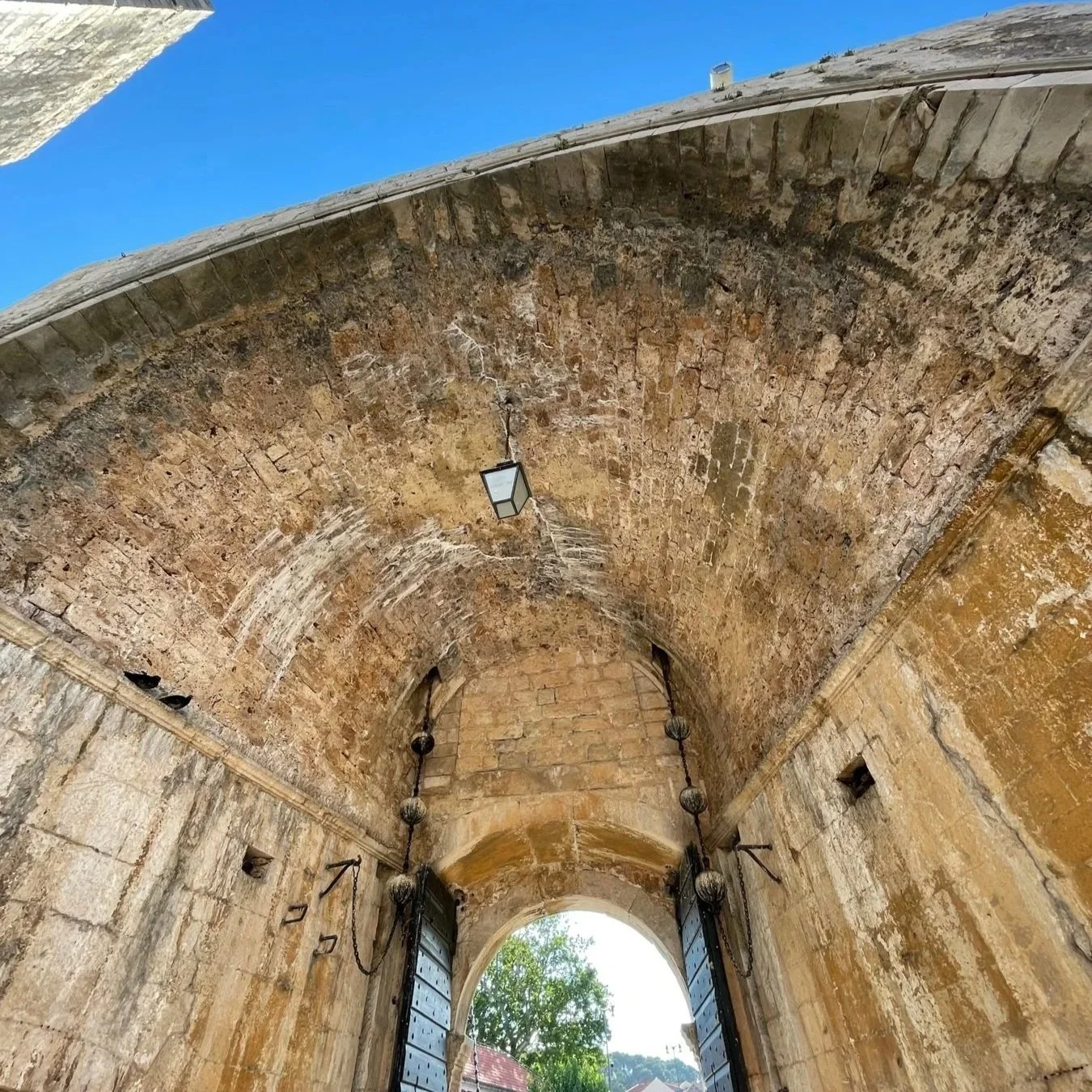
Through the Pile Gate, the main way into the Old Town.
The Stradun, the Old Town's main street, is paved in limestone polished smooth by centuries of footsteps. In the late afternoon it almost glows.
Take a turn off the main street and climb the Jesuit Stairs. They were built in the 1730s and modeled on the Spanish Steps in Rome. Game of Thrones fans will recognize them too.
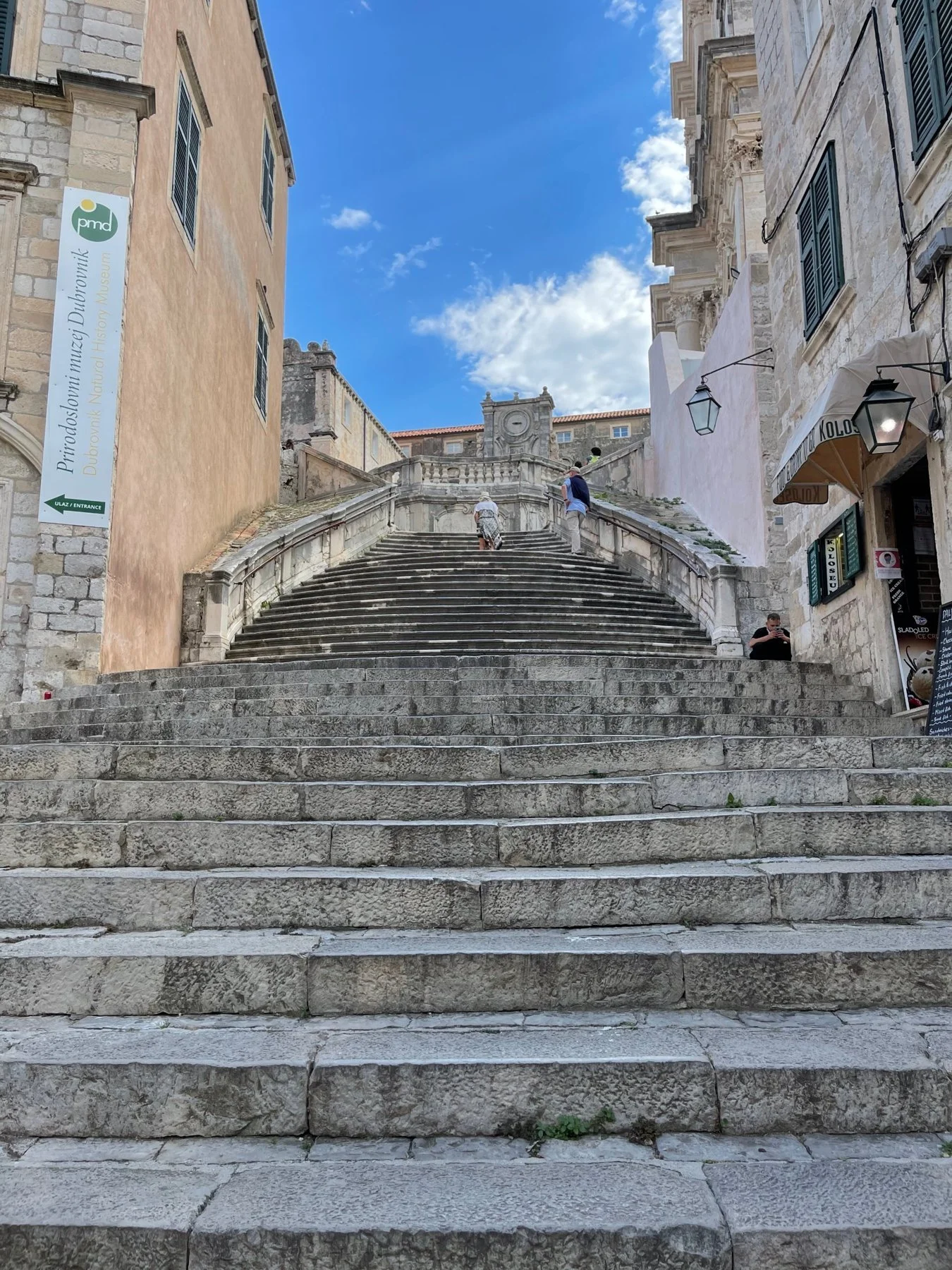
The Jesuit Stairs.
The old city walls wrap the whole town and meet the sea on solid rock. Look down from the walls and the water is so clear you can see straight to the stones.
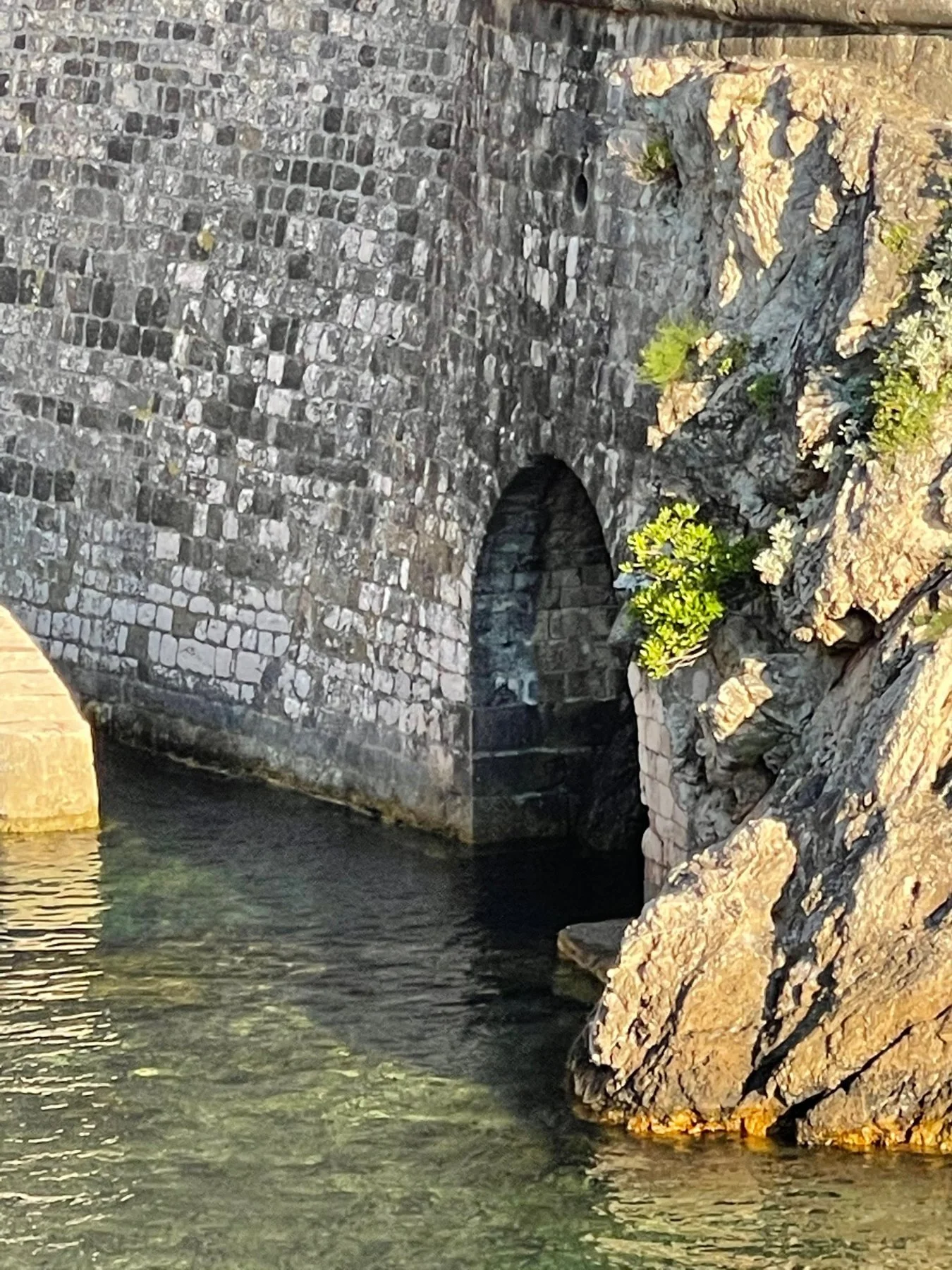
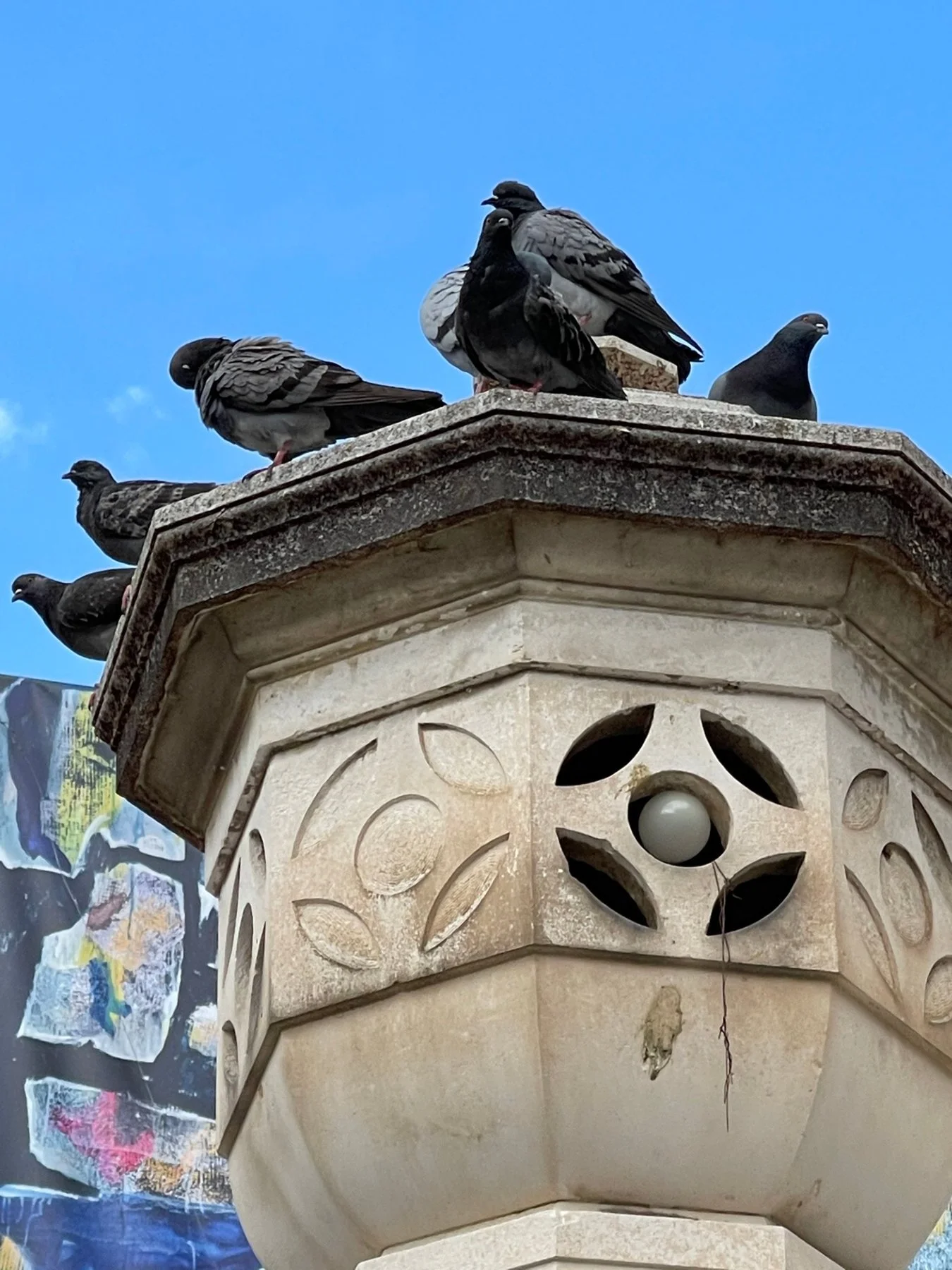
Dubrovnik after the day trippers leave
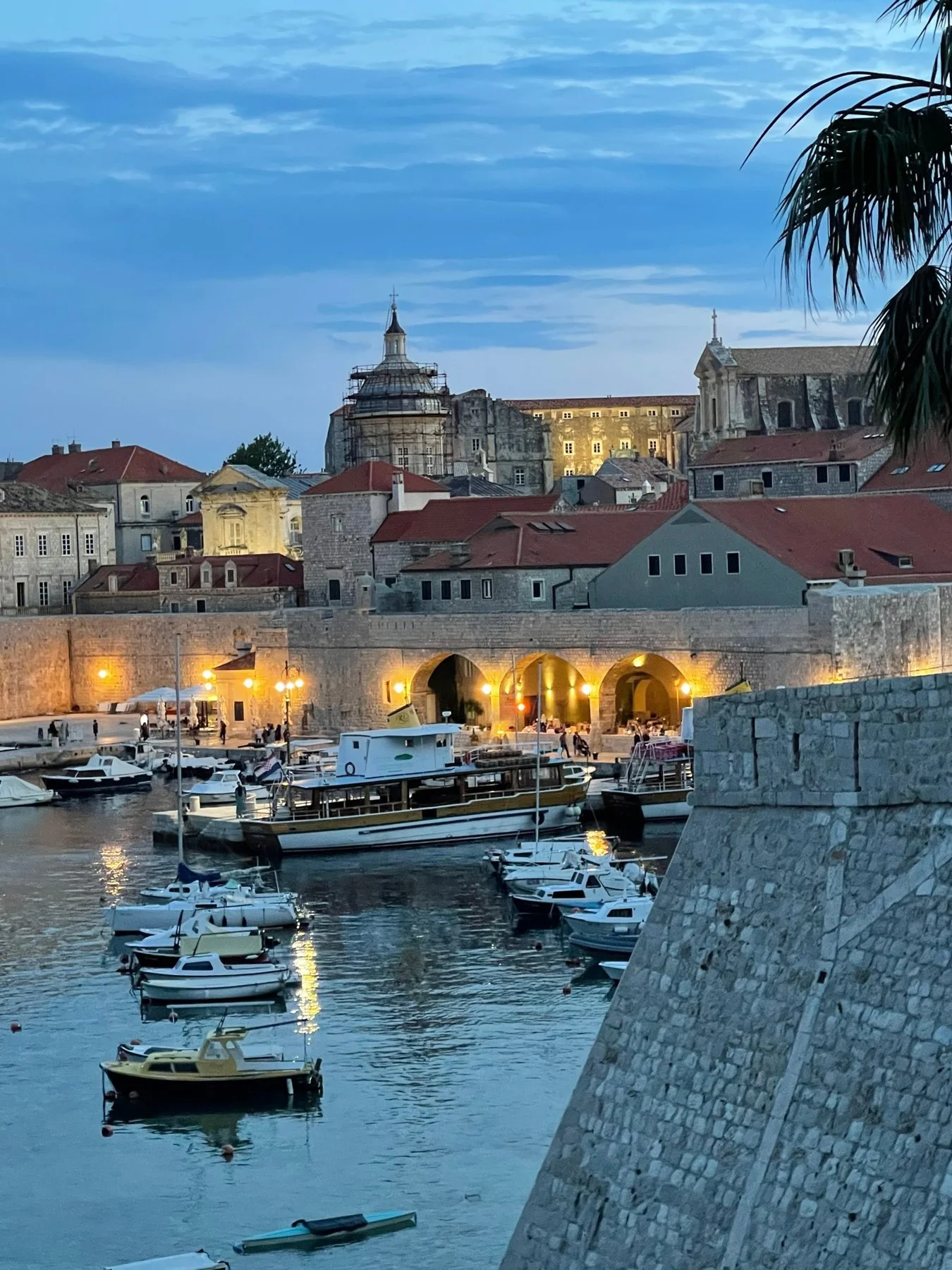
If you take one tip from me, it's this: stay in Dubrovnik into the evening. Once the day crowds head back to their ships, the stone turns gold and the harbor goes quiet.
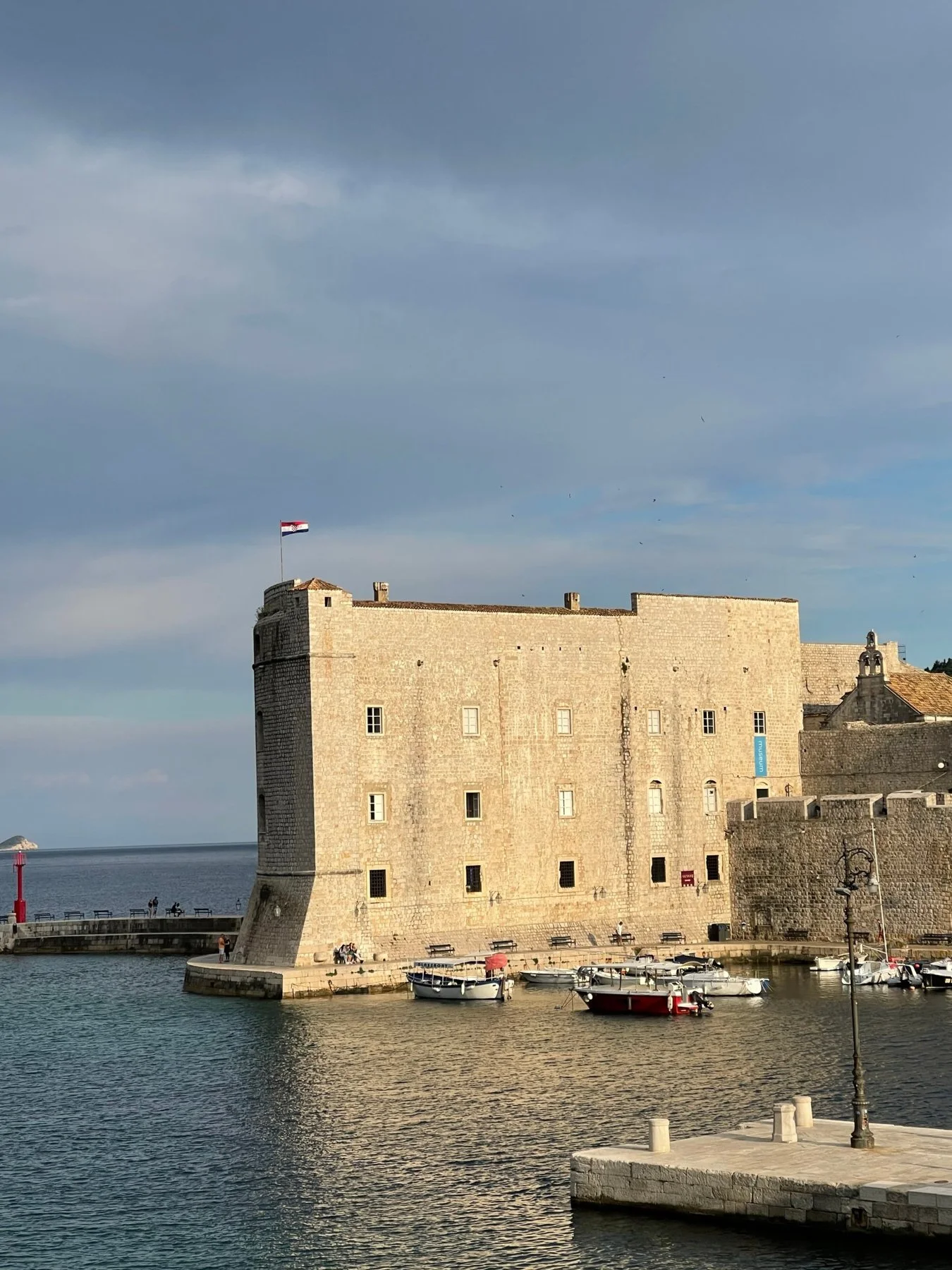
St. John Fortress guarding the Old Port in late afternoon light.
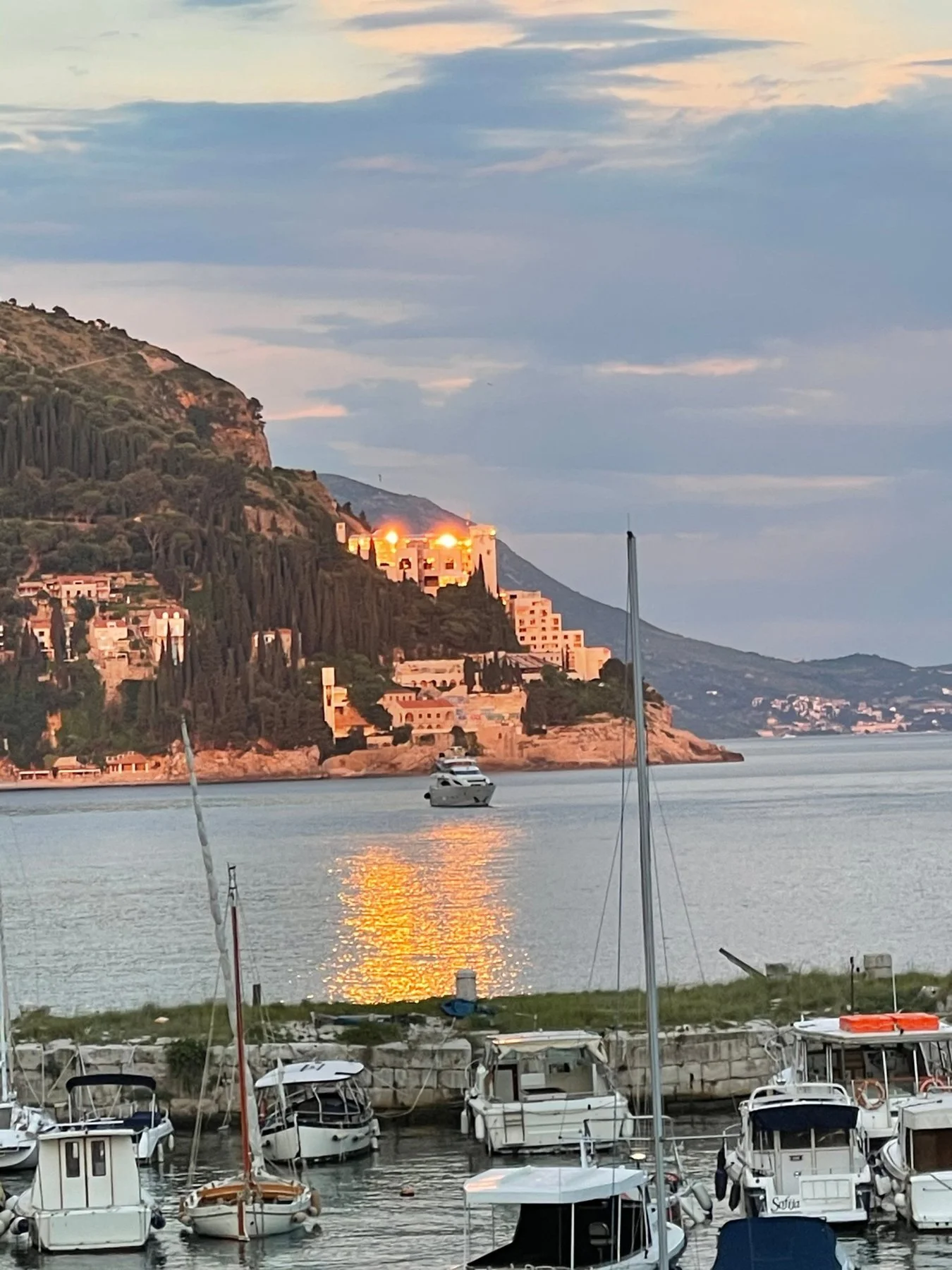
A taste of Croatia
Some meals are about the plate. Some are about where the plate sits. This beef carpaccio had both, served on a stone ledge with Fort Bokar and the open sea behind it.
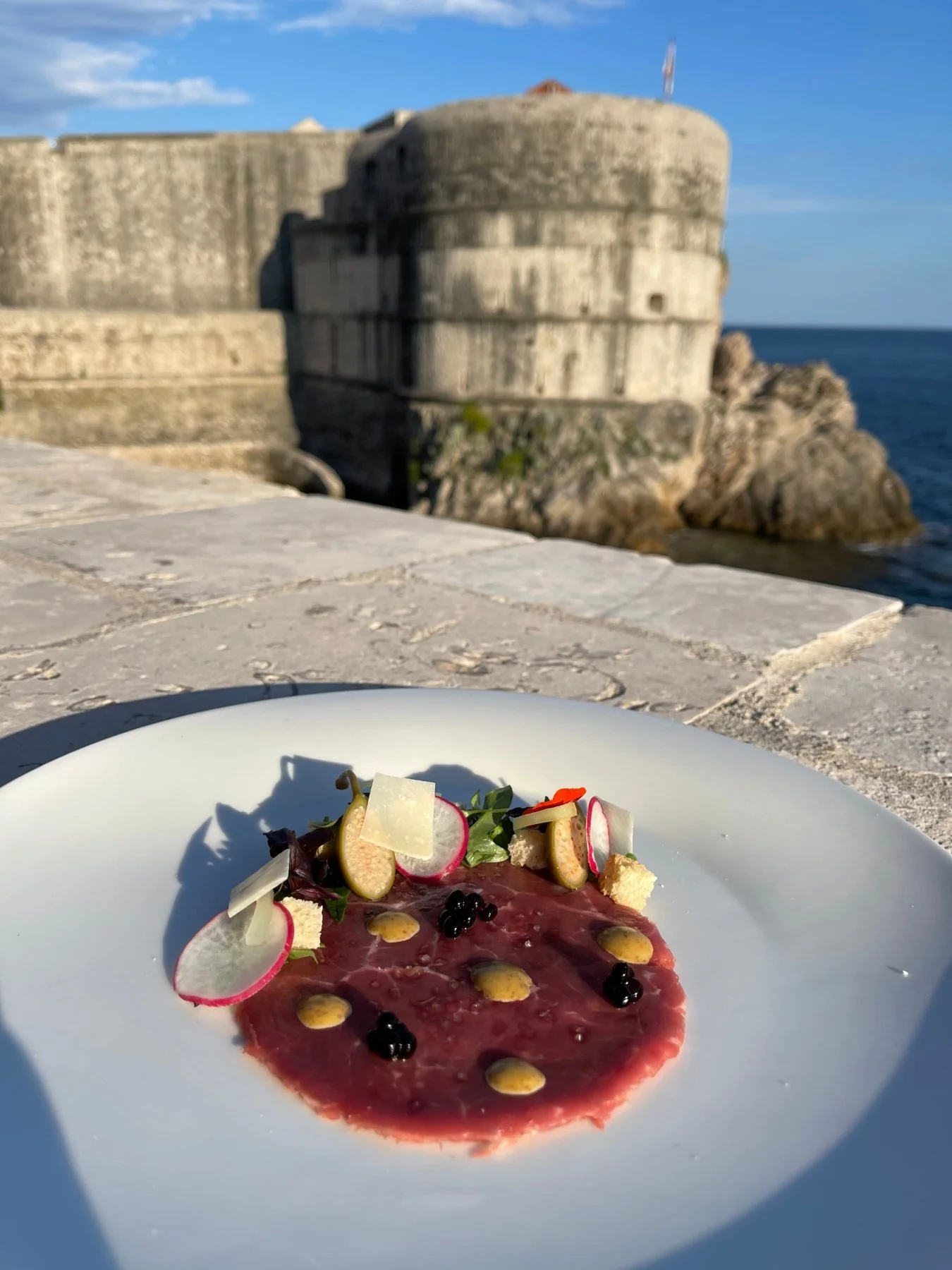
Beef carpaccio with caper berries, shaved cheese and radish, Fort Bokar behind
As a sommelier, the wine I'm still talking about is Grk from the Bire family in Lumbarda, on Korčula. Grk is a native white grape grown almost nowhere else, on the sandy soils around Lumbarda. It's dry, salty and herbal, exactly what you want next to Adriatic seafood. If you see it on a list, order it.
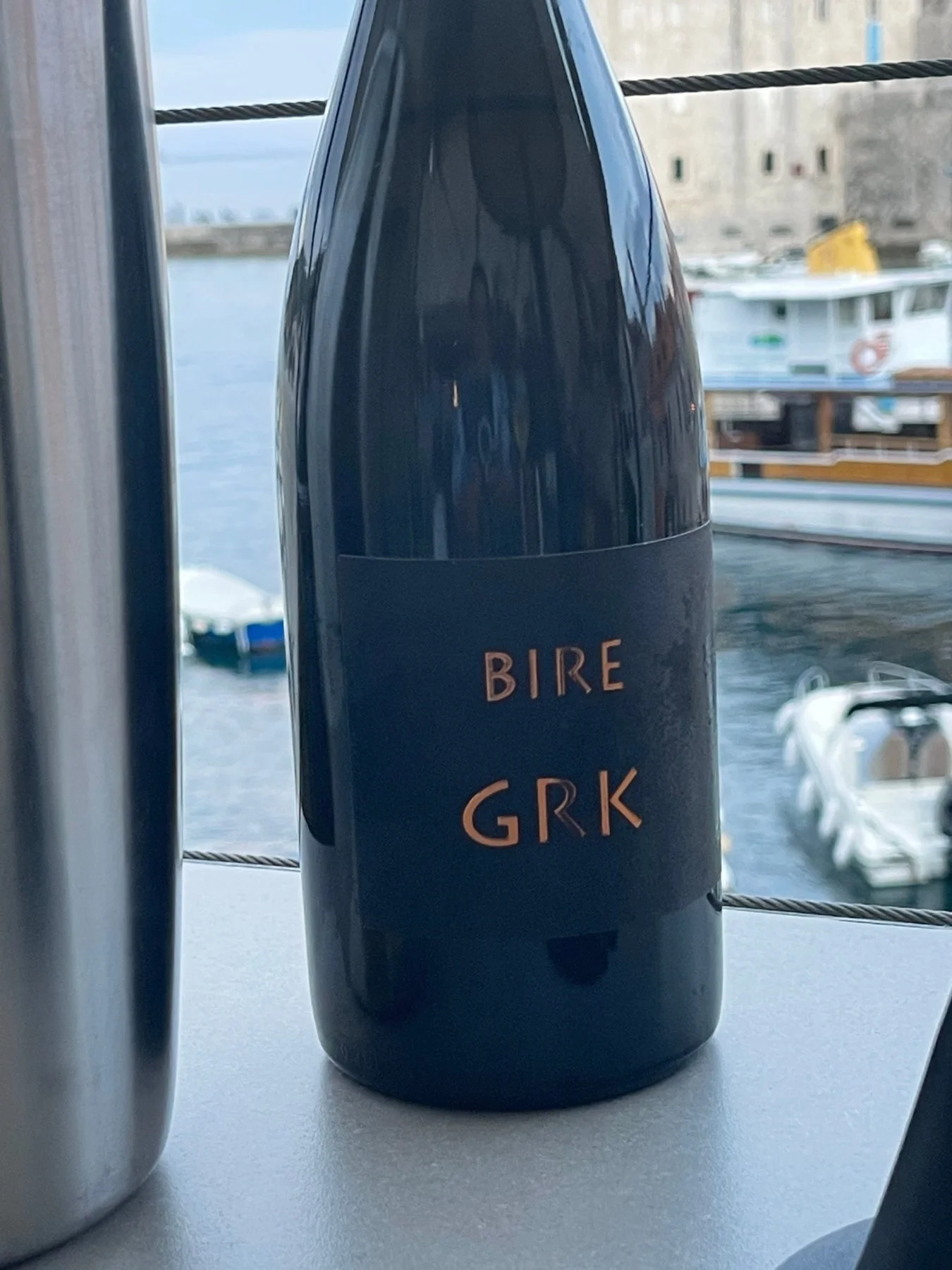
Bire Grk, with the Old Port right behind the glass.
Peka, and lots of it
If there's one dish I came home dreaming about, it's peka. Meat, octopus or vegetables go into a heavy iron dish with potatoes, olive oil and herbs. The bell shaped lid is buried under glowing embers, and everything slow cooks for hours. Most konobas need you to order it ahead, and it is worth every minute of the wait.
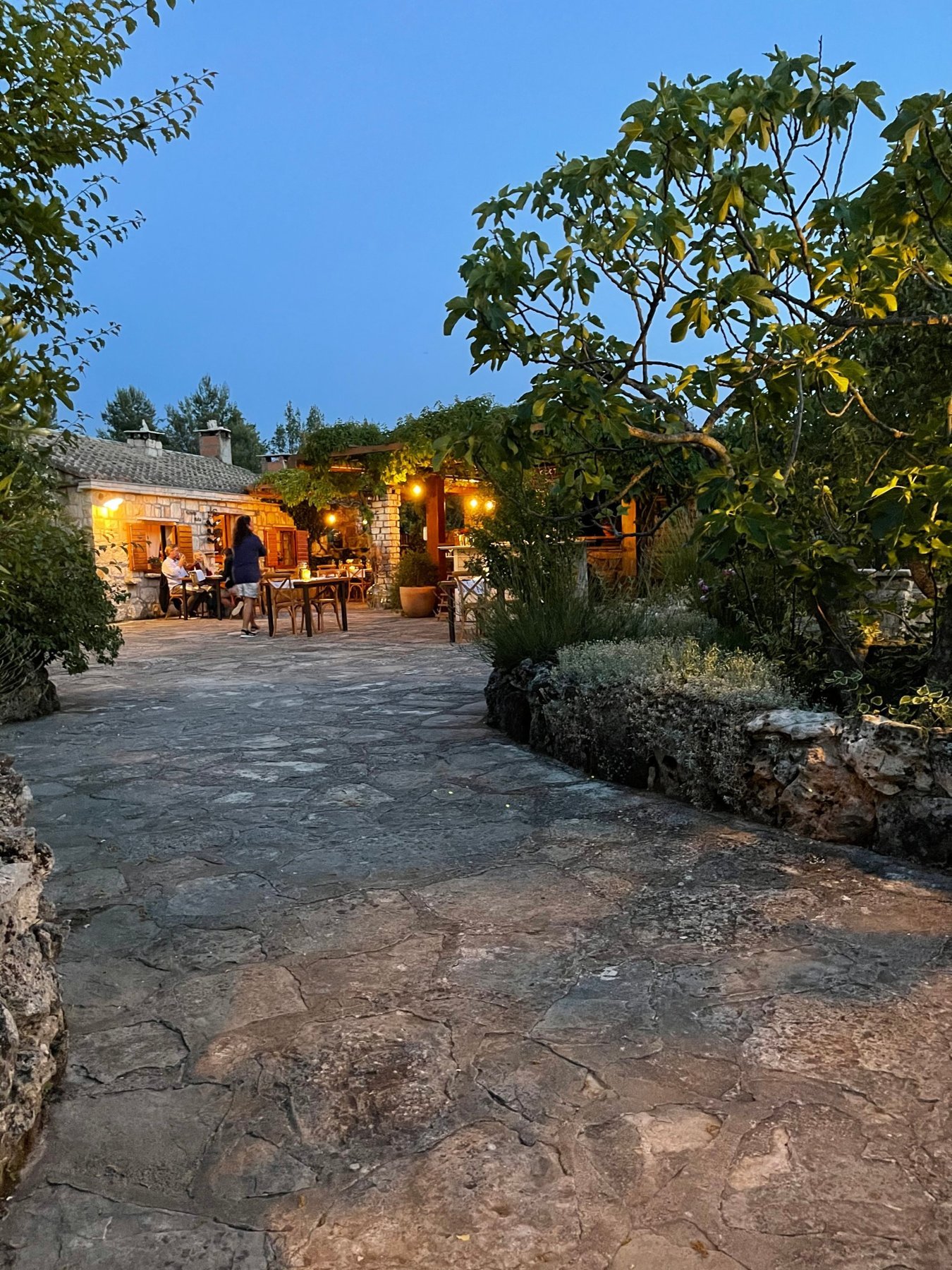
Our best peka night was at Konoba Maha, run by the Marelić family in the hills above Žrnovo on Korčula. You walk in through an orange gate onto stone paths lined with fig trees and lavender, and dinner is served on a terrace strung with lights.
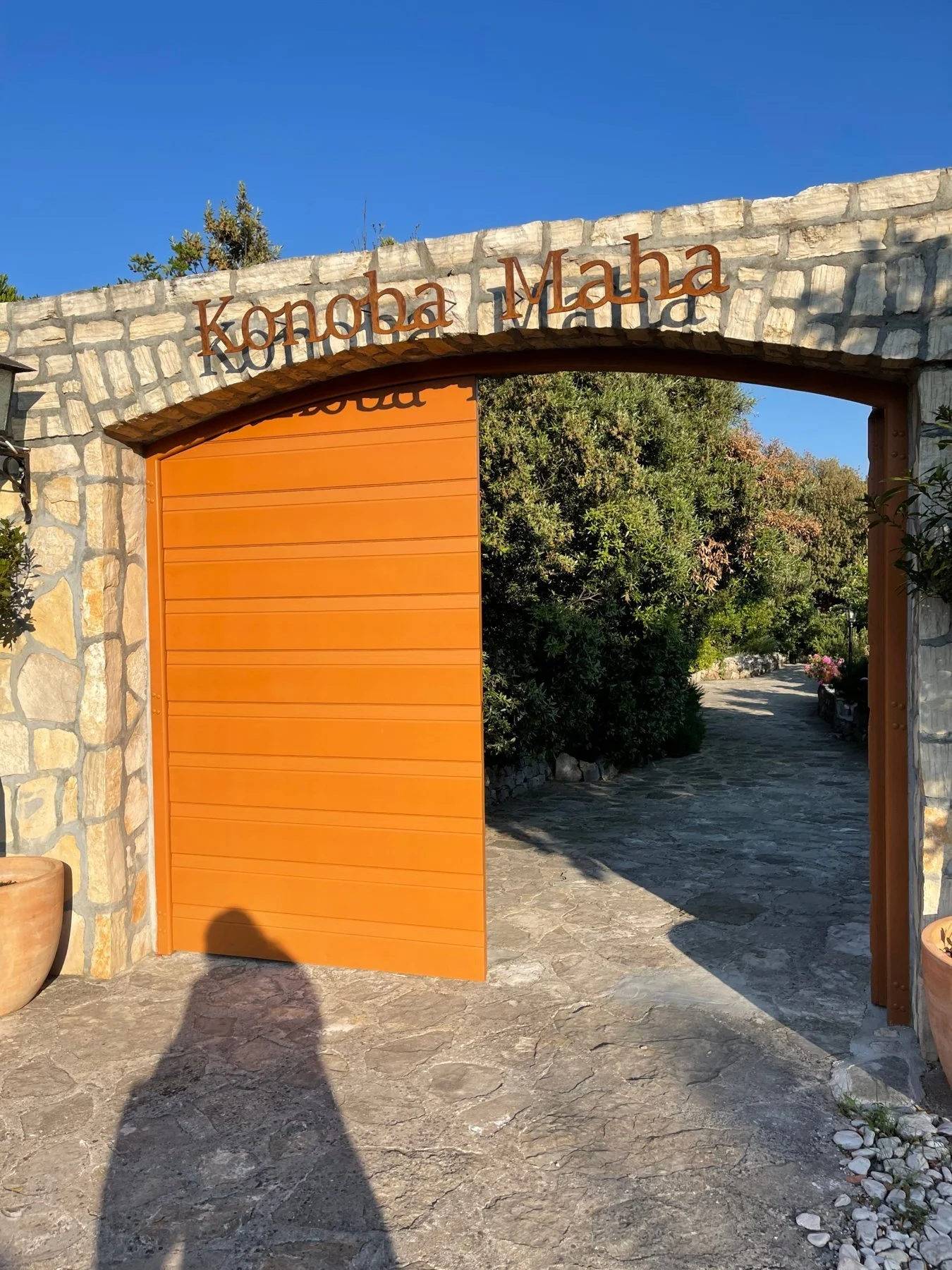
The gate to Konoba Maha
The best peka night of our trip
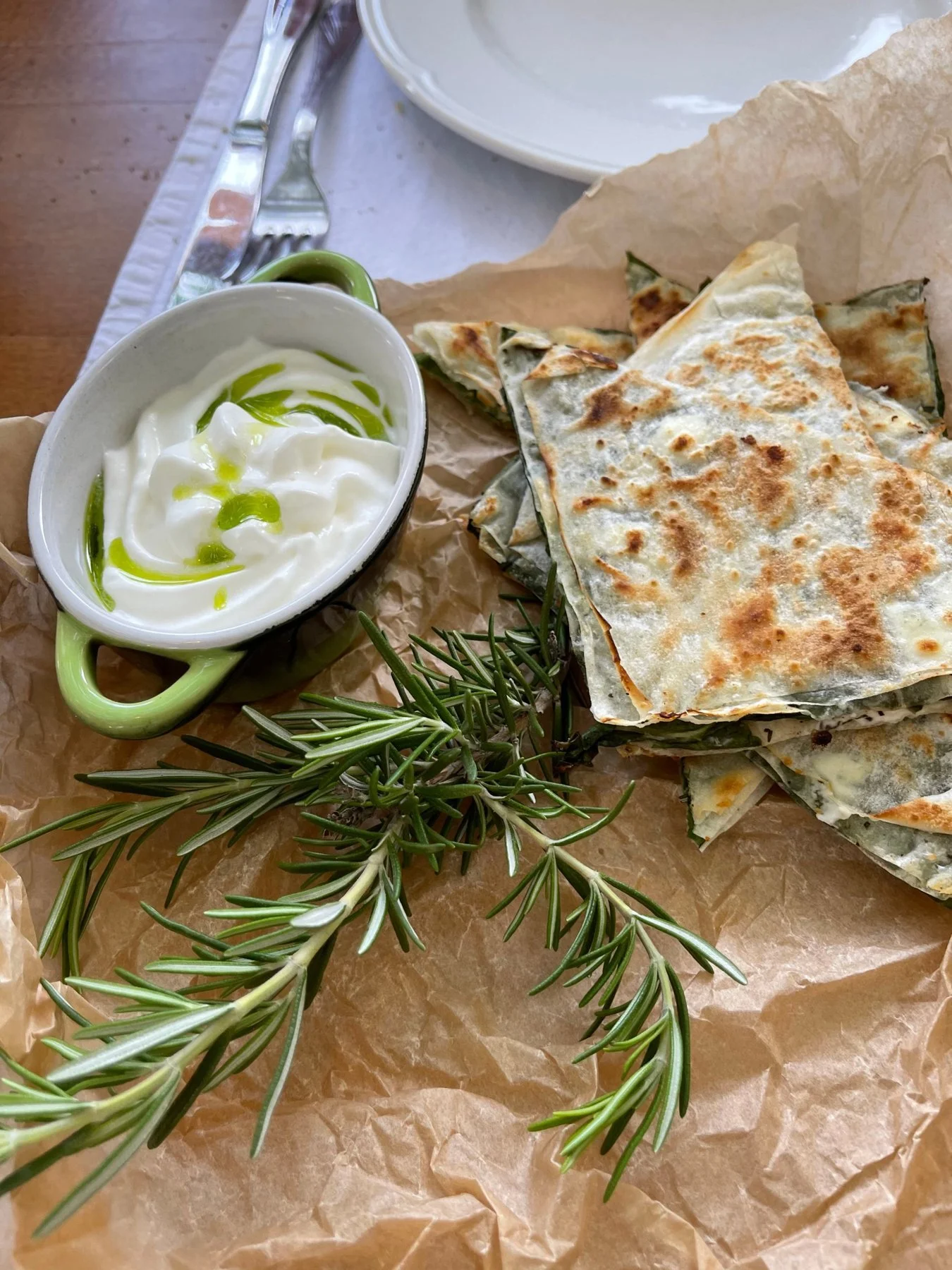
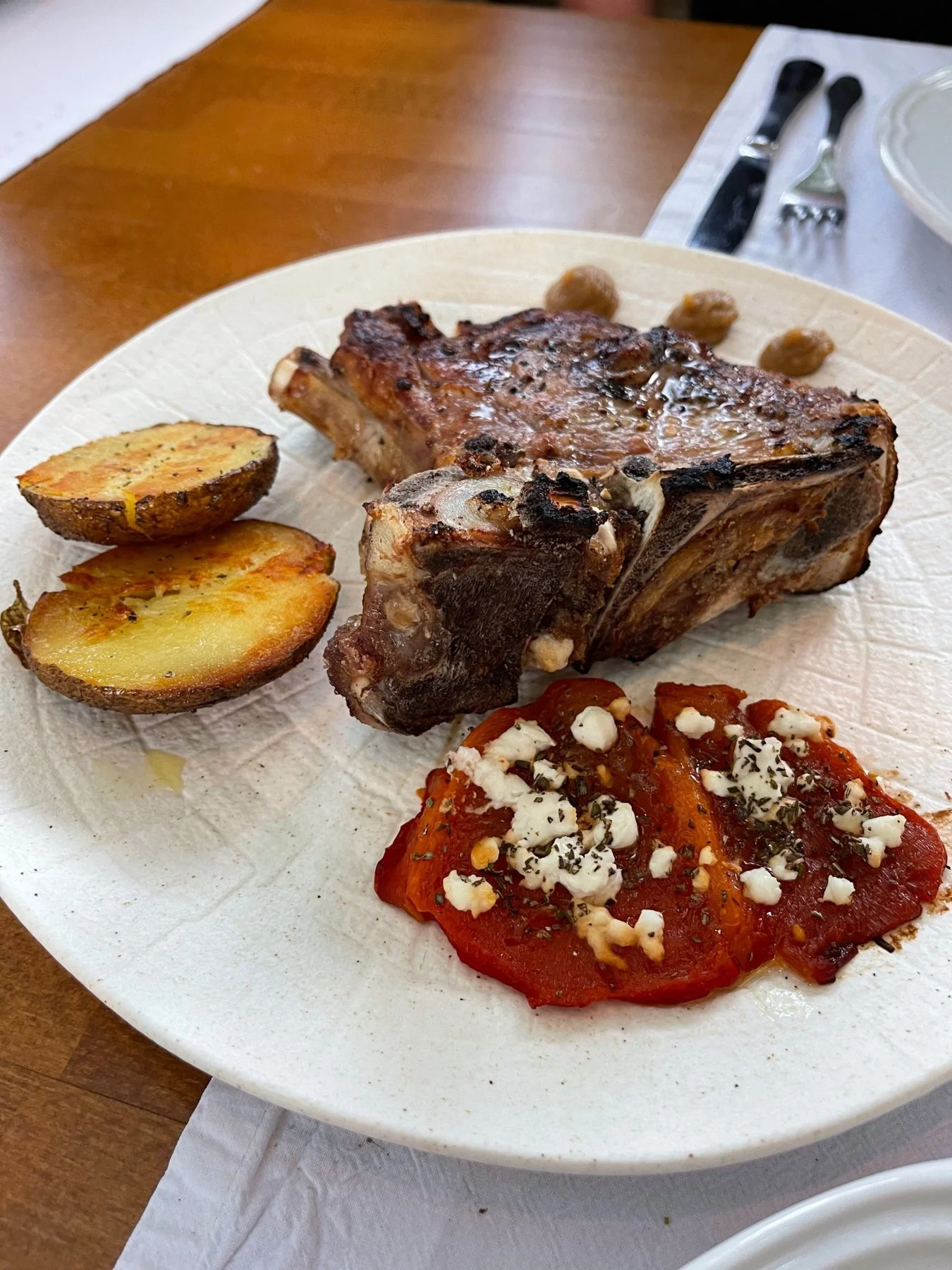
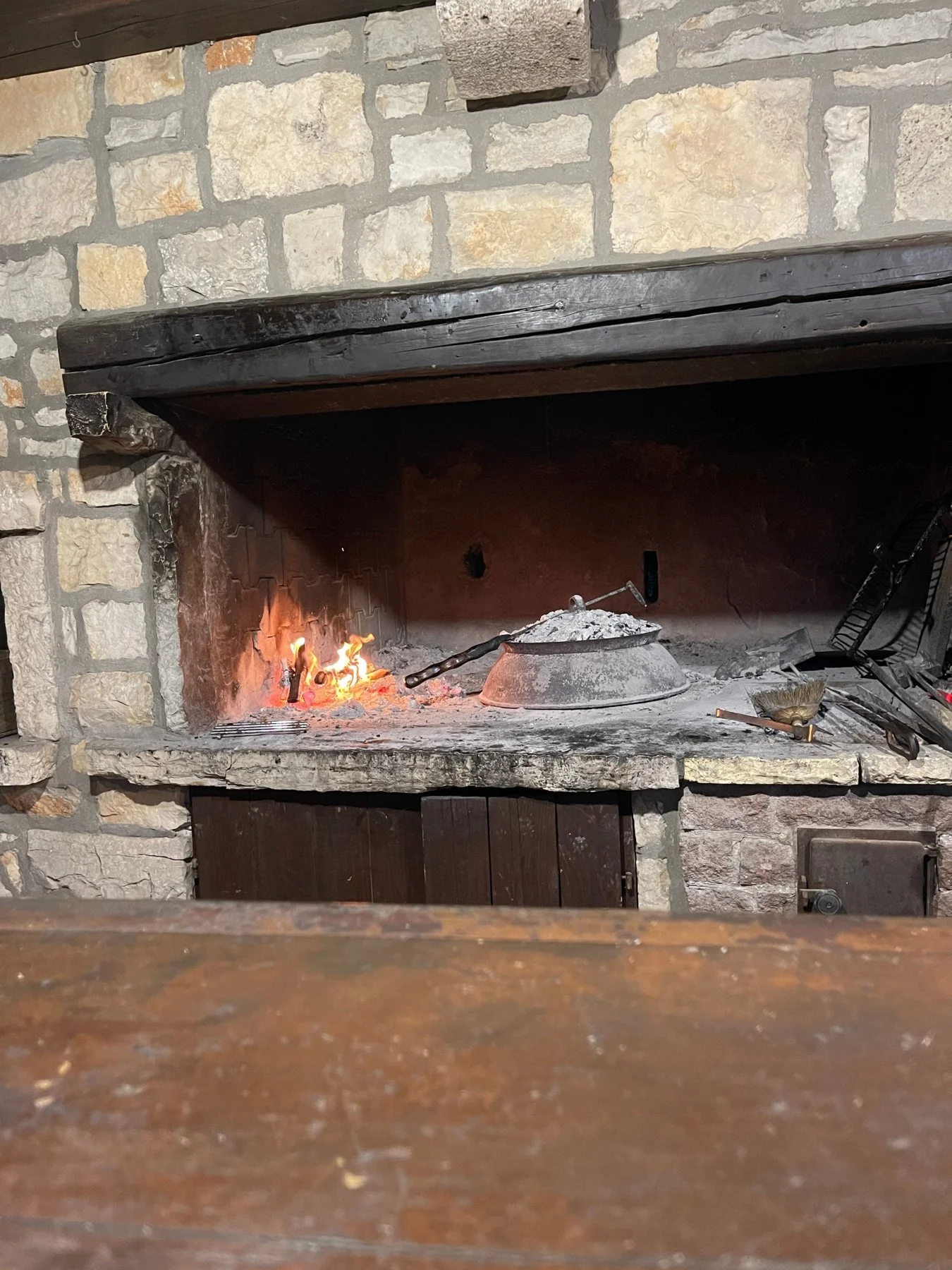
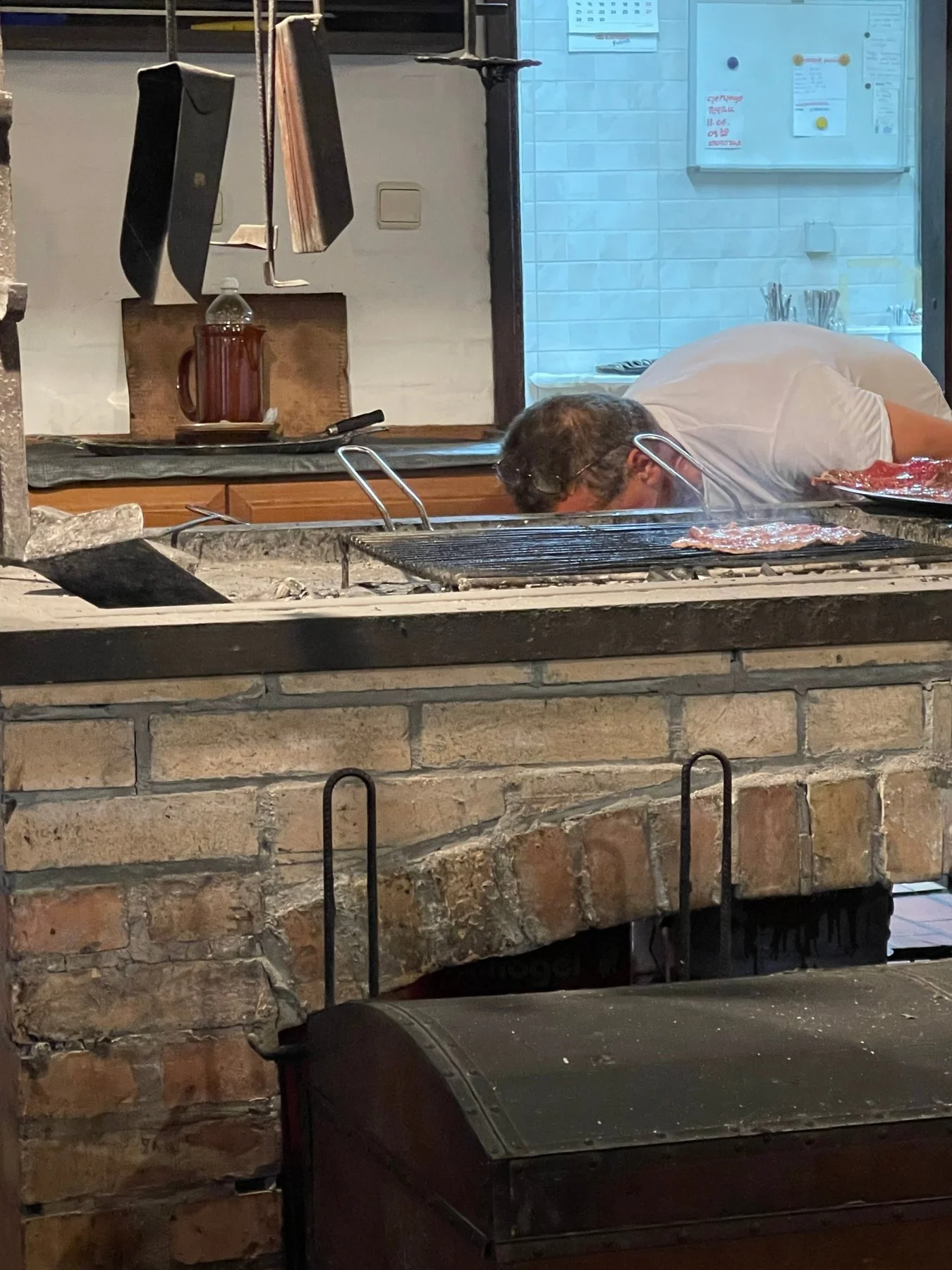
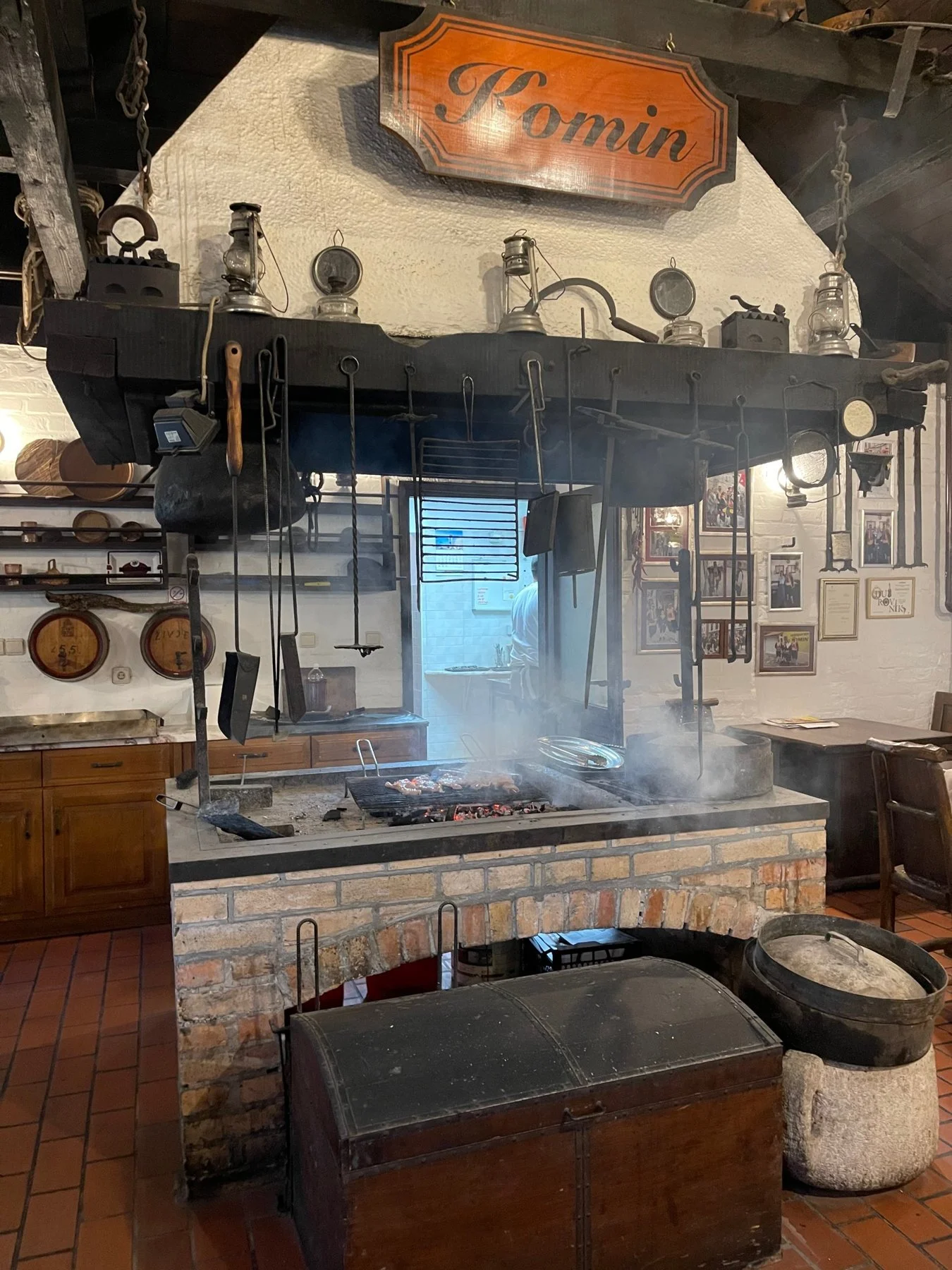
In Dubrovnik, the open hearth at Komin was just as memorable. Meat goes straight over the coals, and the room smells of wood smoke the minute you walk in.
And at the other end of the spectrum, Croatia does refined tasting menus beautifully too.
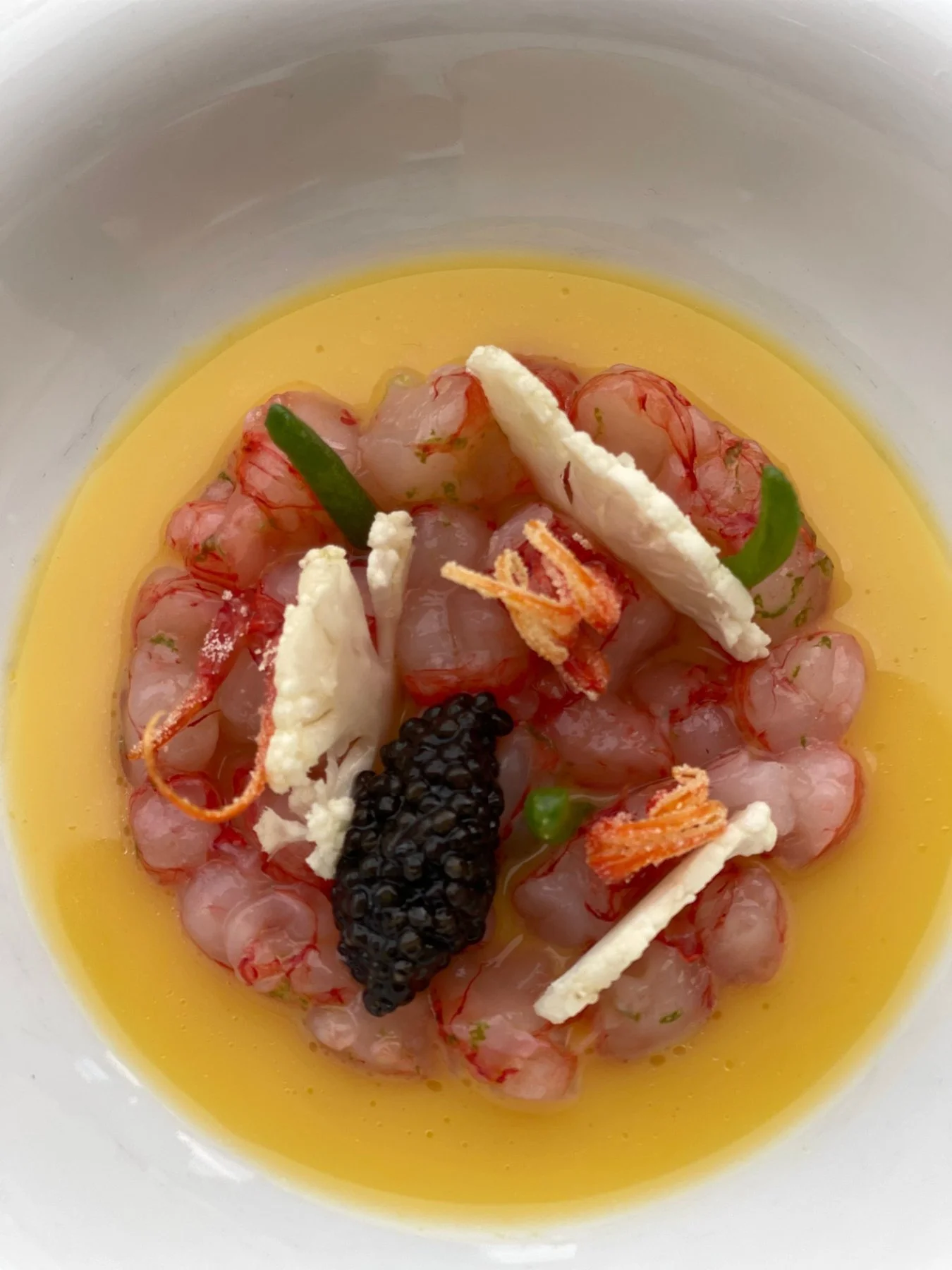
Adriatic red prawns with caviar.
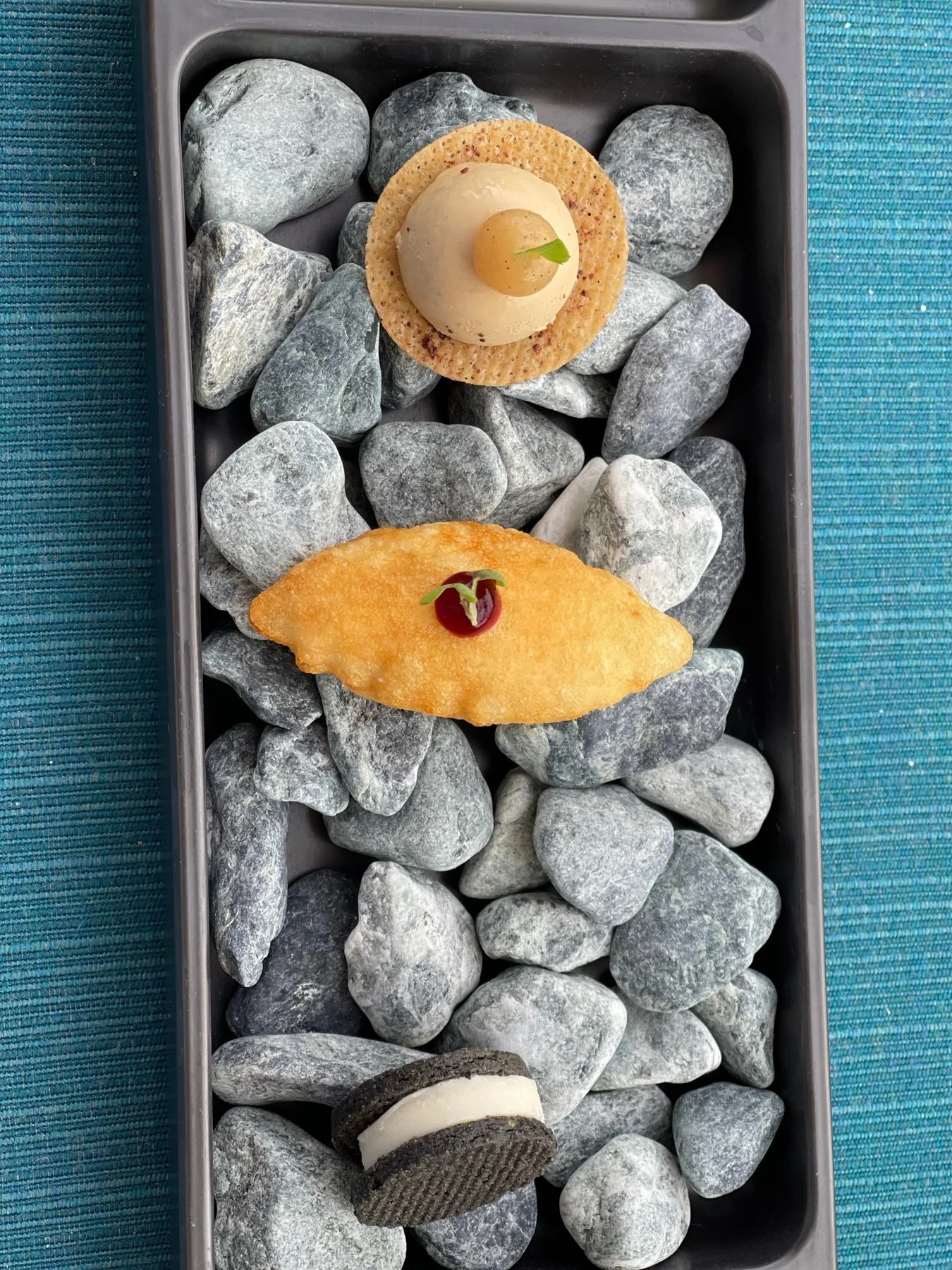
Little bites served on a bed of sea stones.
Almost too beautiful to eat
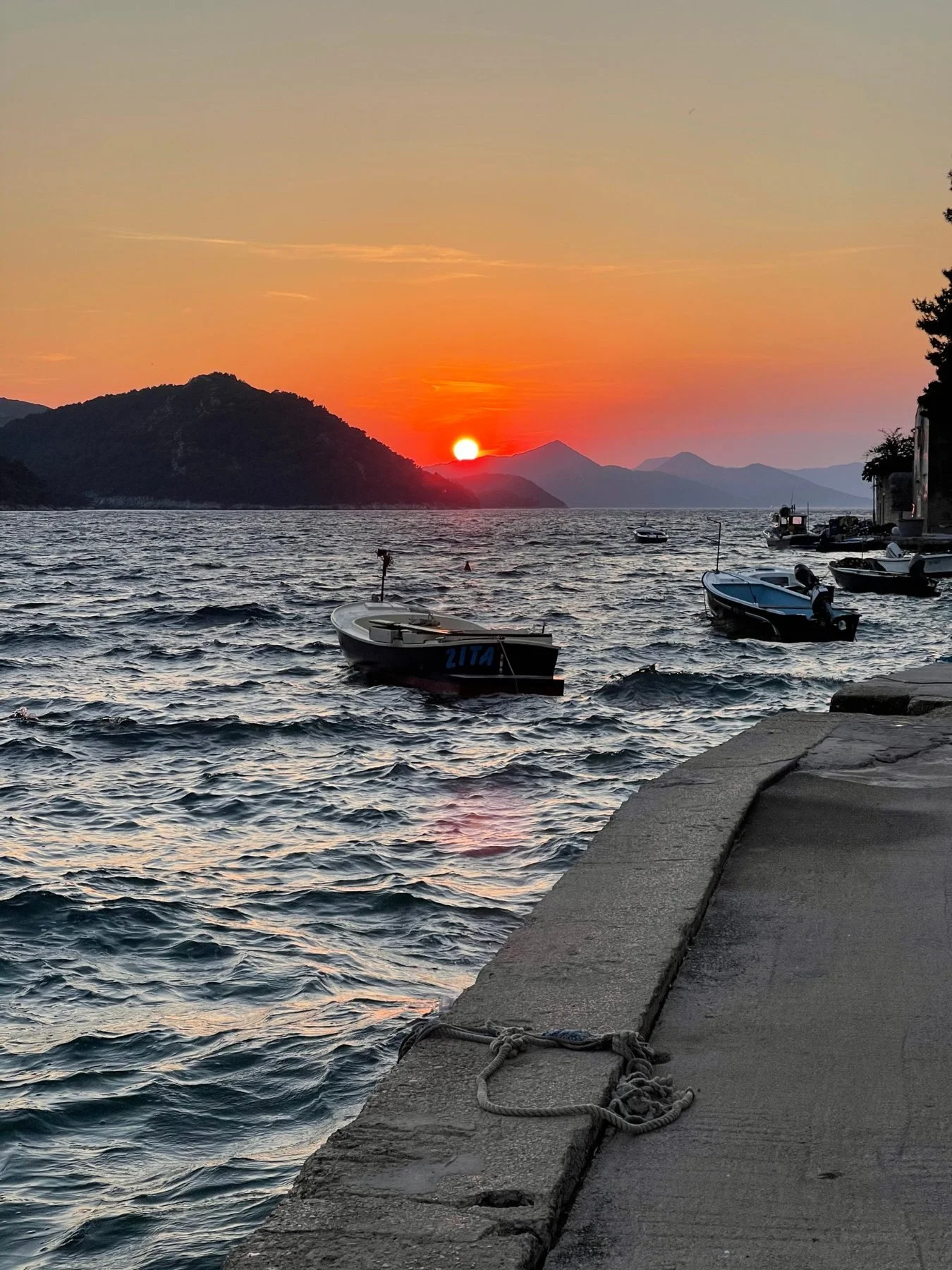
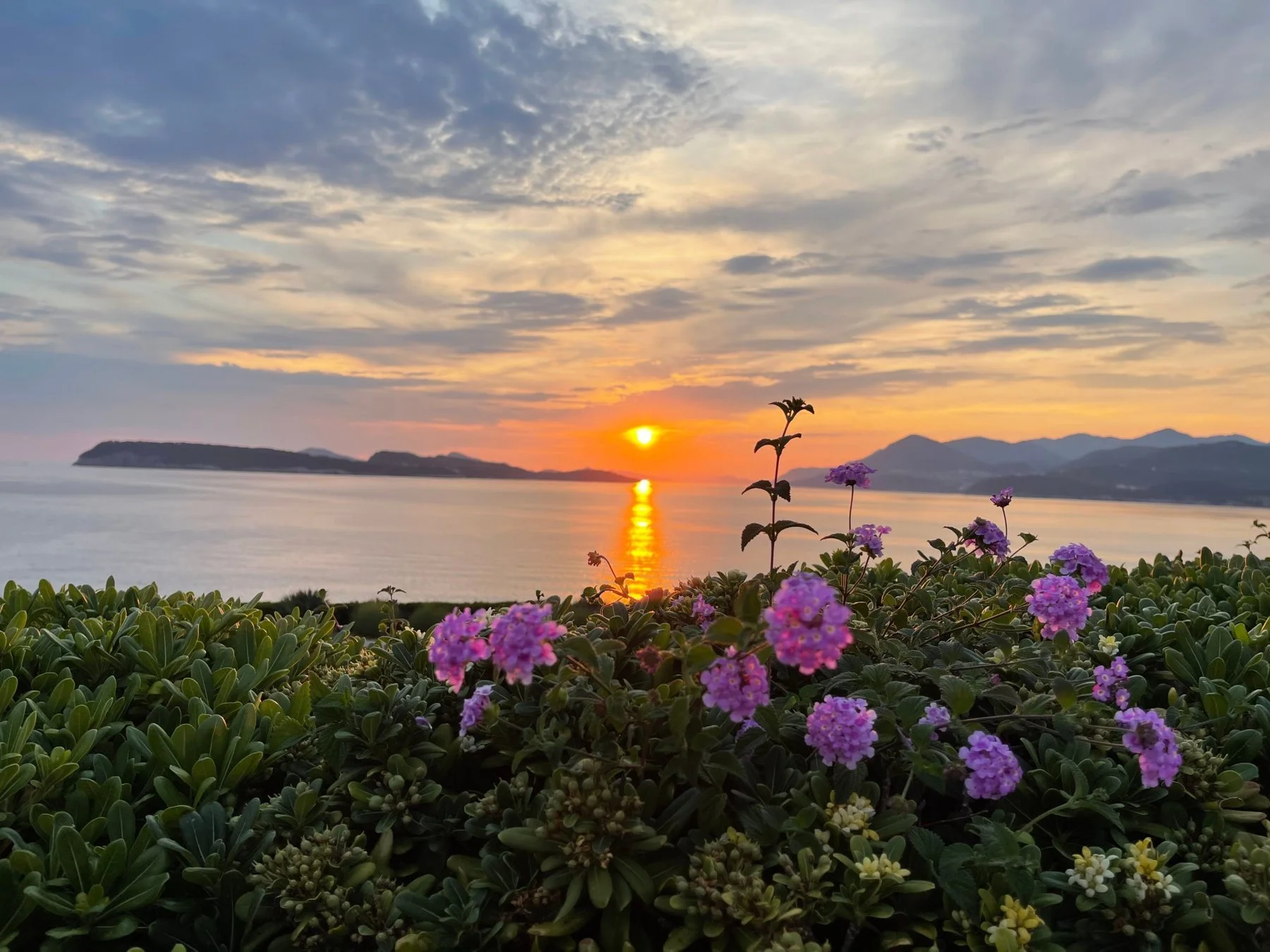
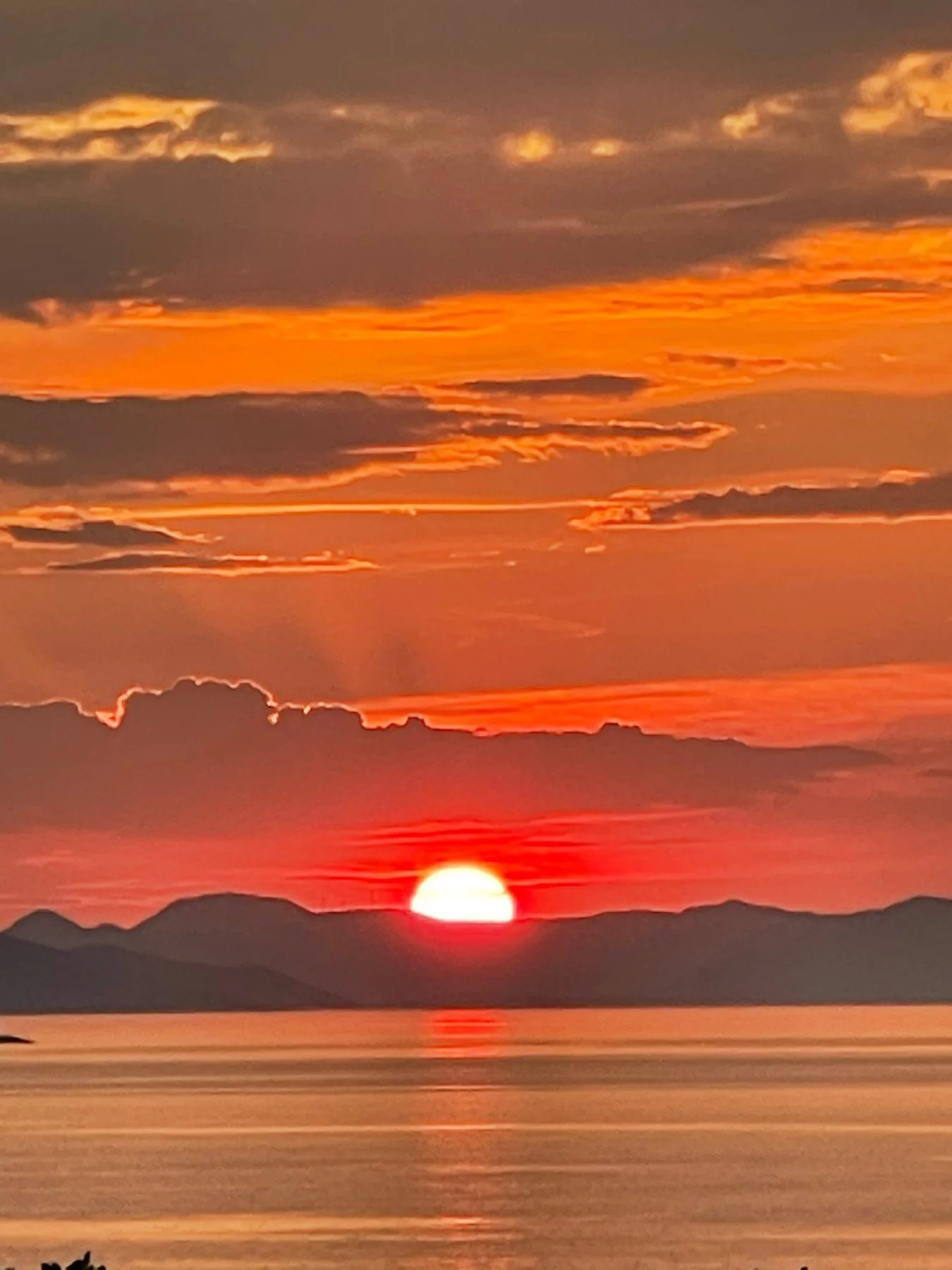
The sunsets
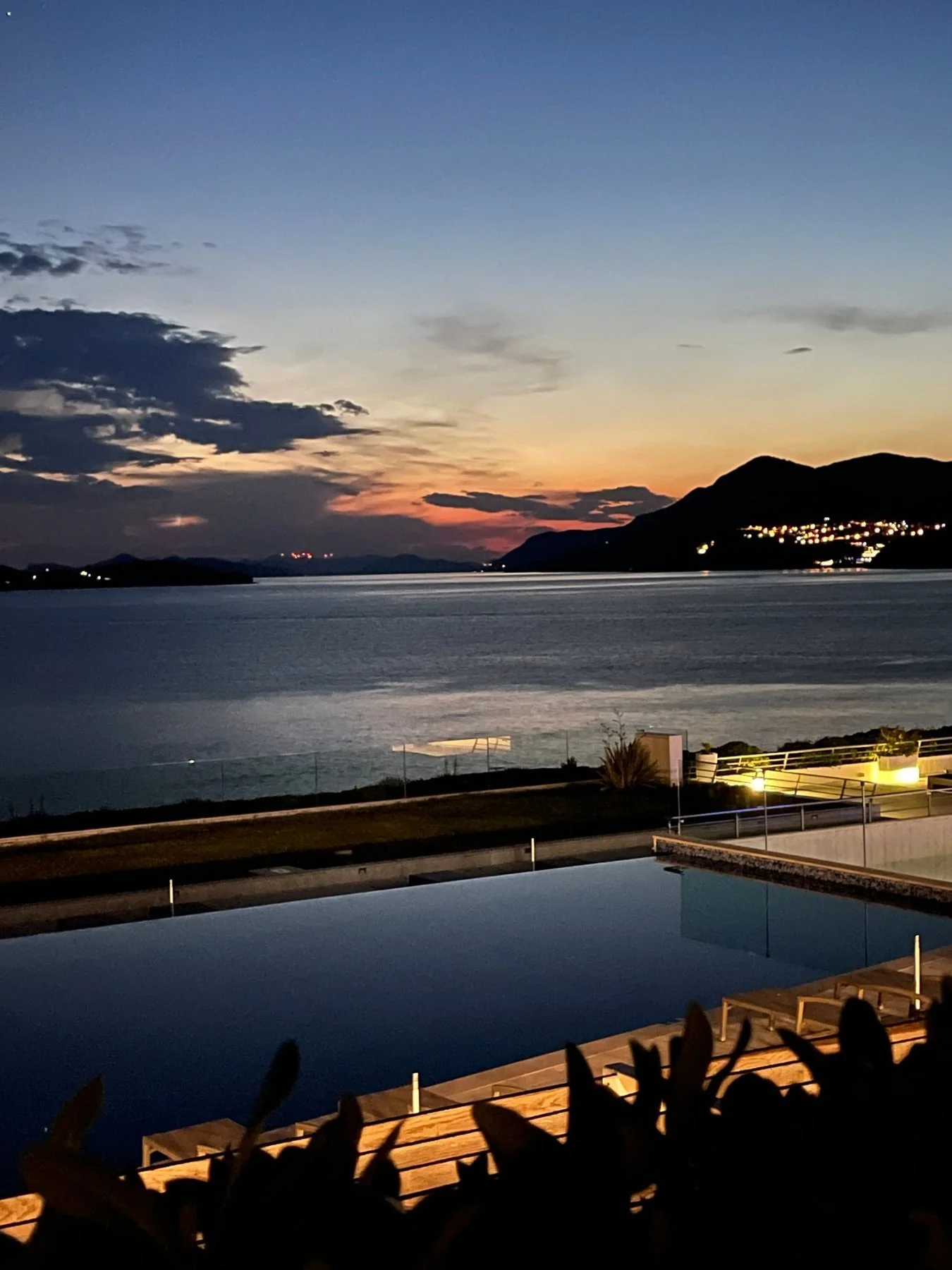
I've watched a lot of sunsets from a lot of decks. Croatia's were in a league of their own. Every evening the islands turned to silhouettes and the whole sky went orange, then red, then a deep blue. I stopped trying to describe them and just took pictures.
Out to the islands
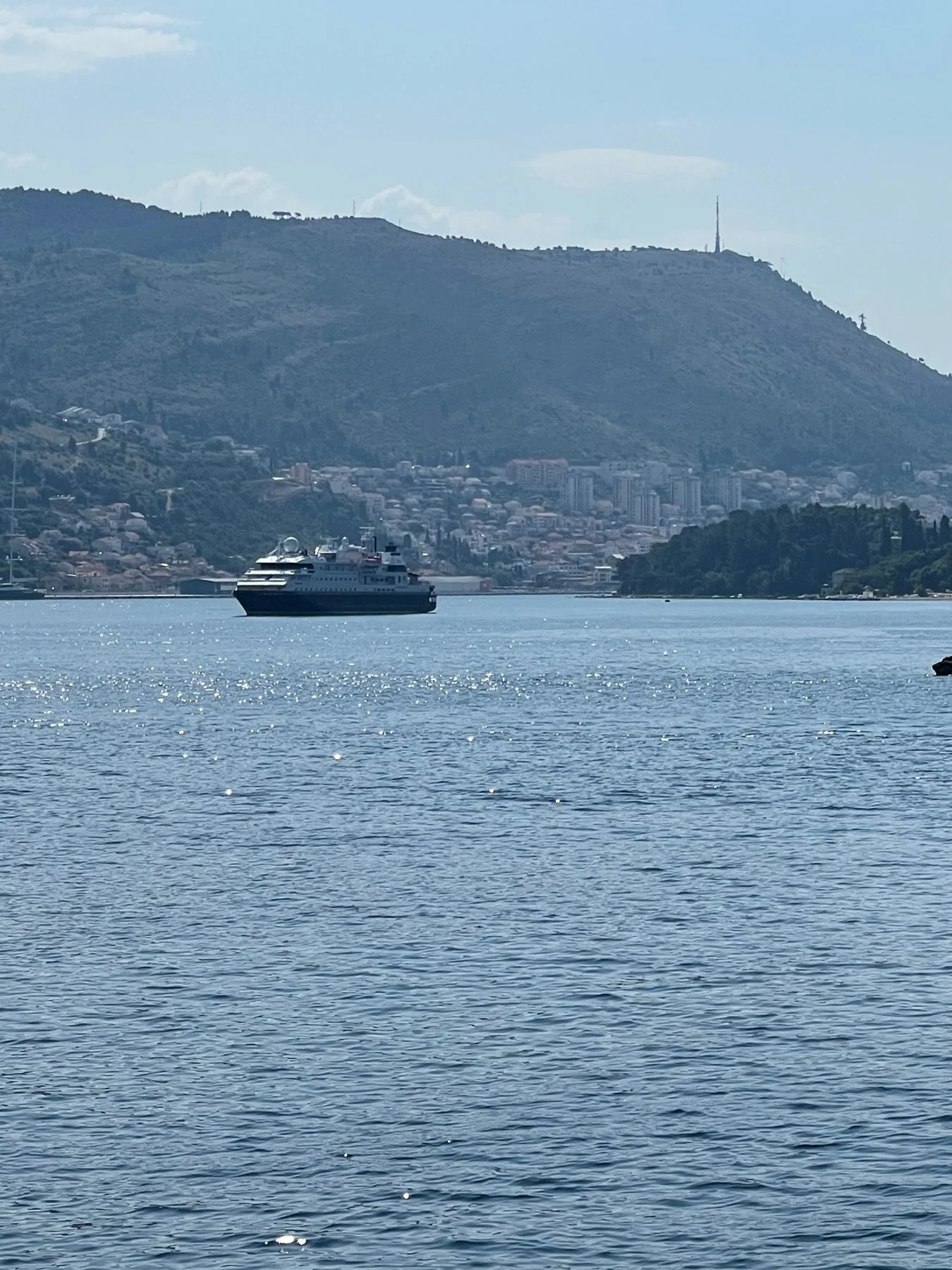
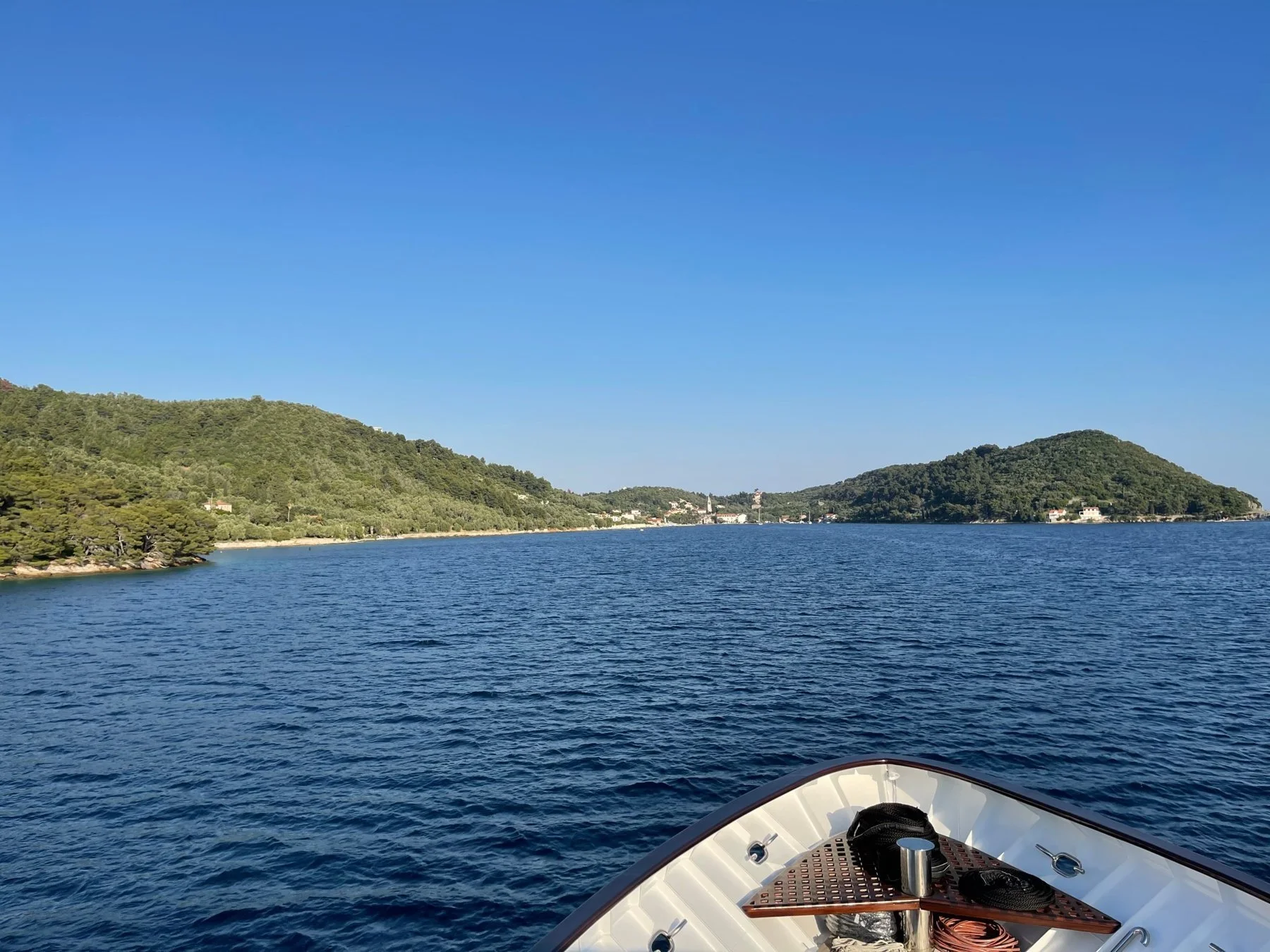
From Dubrovnik we sailed out among the islands, and each one had its own personality.
Korčula is a walled medieval town on a peninsula, said to be the birthplace of Marco Polo. It's also home to the Grk I fell for.
Hvar has the glamour: a lively harbor, a hilltop fortress and lavender in early summer.
Vis was closed to foreign visitors for decades as a military base, and it still feels untouched. Clear water, quiet coves and old fishing villages.
Korčula: Venice in stone
Korčula town sits on its own small peninsula. From the deck it looks like a model of a medieval city, with round towers at the corners and red roofs climbing to a single bell tower.
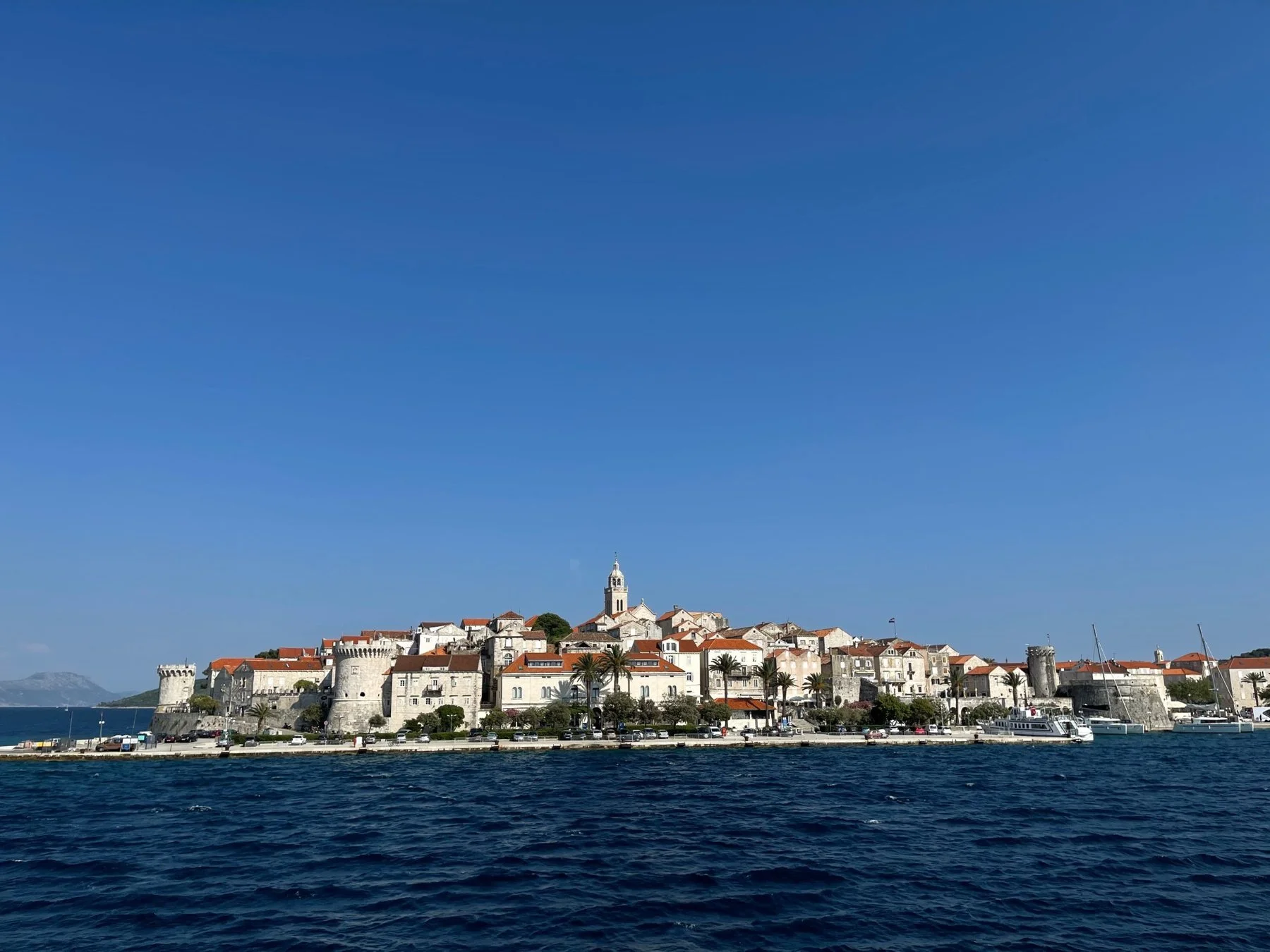
Korčula old town from the water.
Much of what you see is Venice's work. The island was under Venetian rule from 1420 until 1797, and the symbols of the Republic are still carved into the town everywhere you look.
The Land Gate. The grand way in is up a wide stone staircase to the Land Gate, the one entrance to the old town that doesn't face the sea. The staircase you climb today dates from 1863.
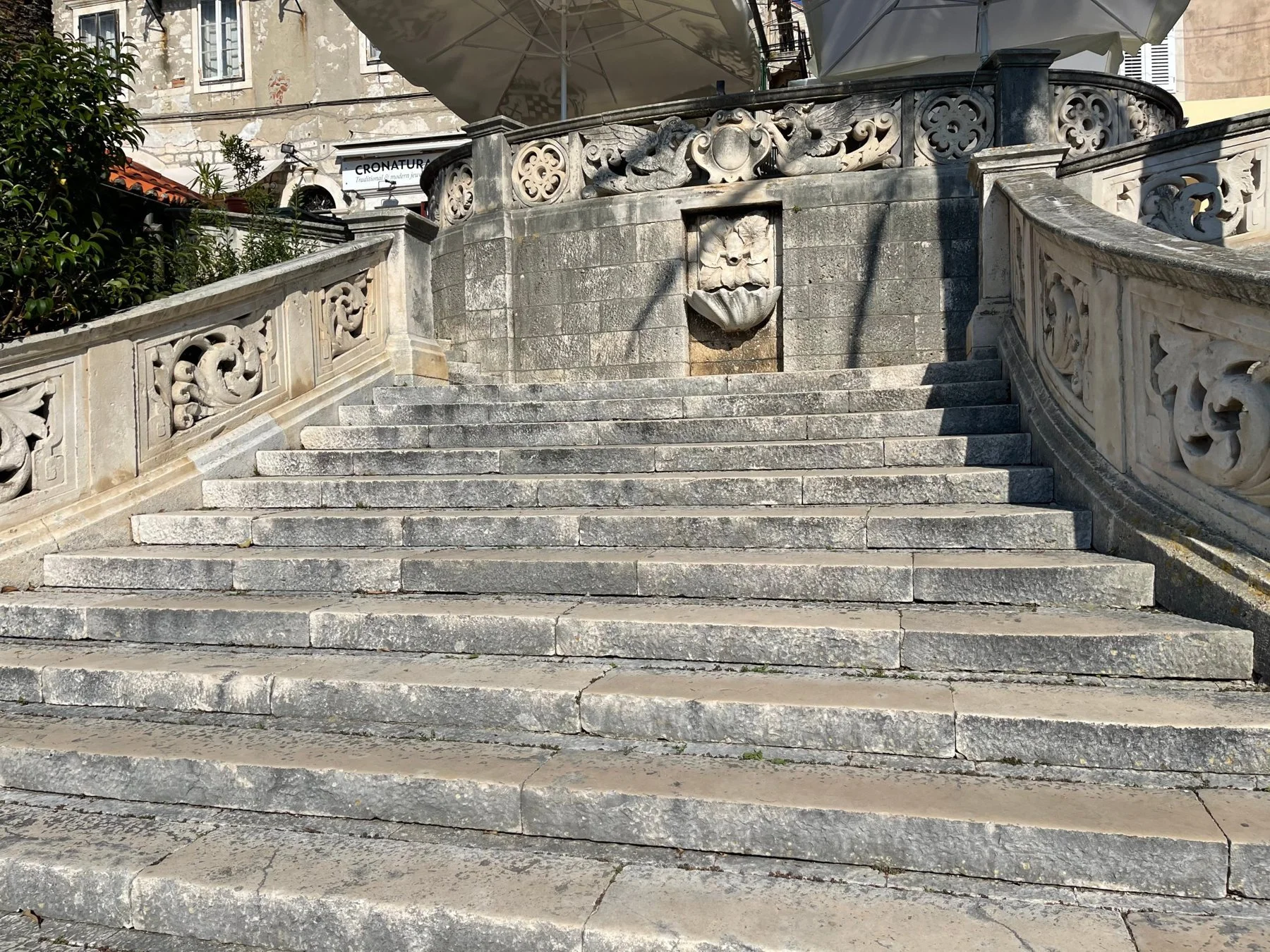
The staircase up to the Land Gate.
Look up above the gate and you'll find a triumphal arch from 1650 honoring the Venetian commander Leonardo Foscolo. His name is still readable in the carved inscription.
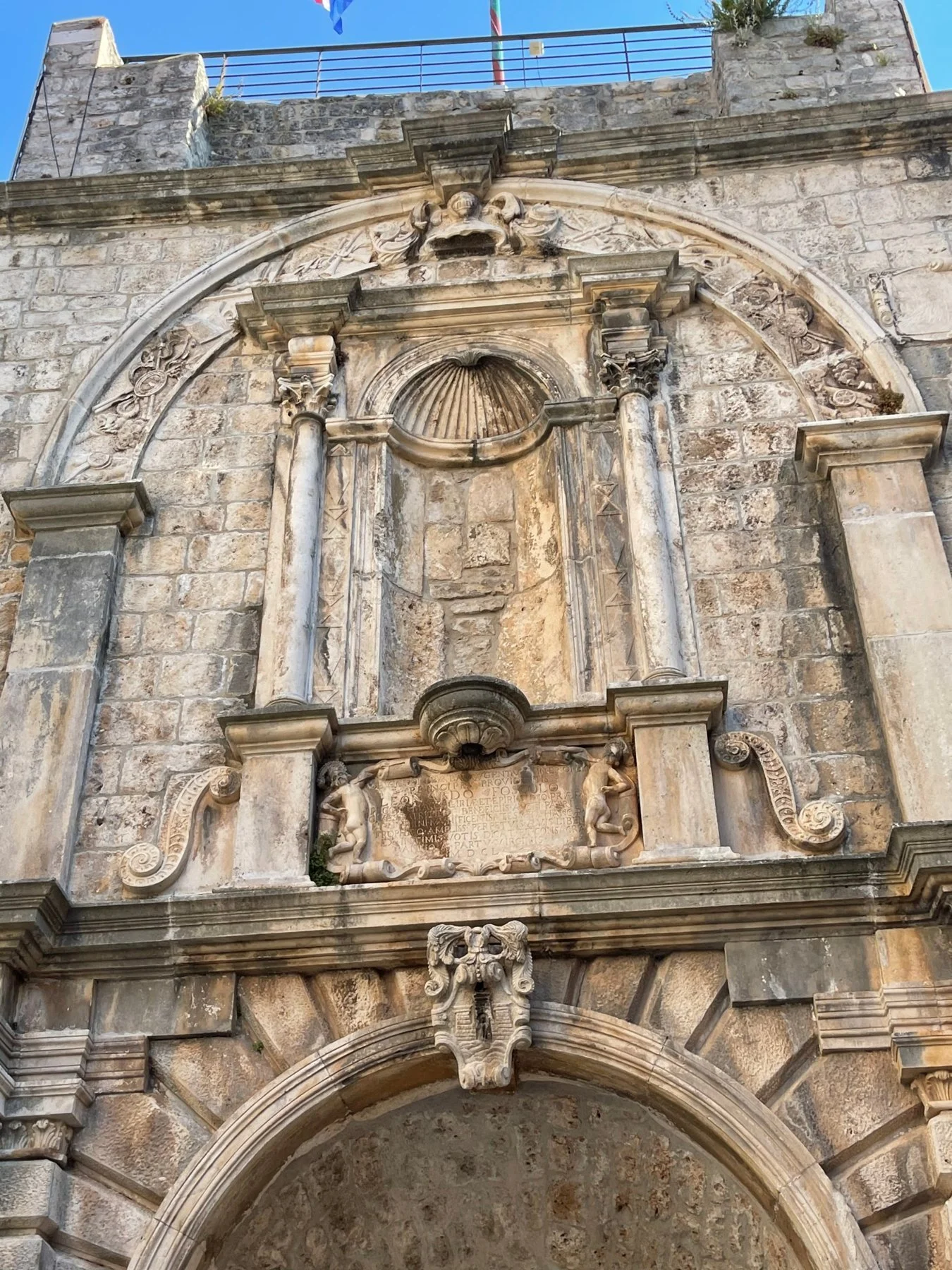
The 1650 arch for Leonardo Foscolo, above the Land Gate.
The Lion of St. Mark. The winged lion, emblem of Venice, turns up all over Korčula. Some of the finest carvings now rest in the loggia beside the Town Hall, along with a stone coat of arms and an old cannon.
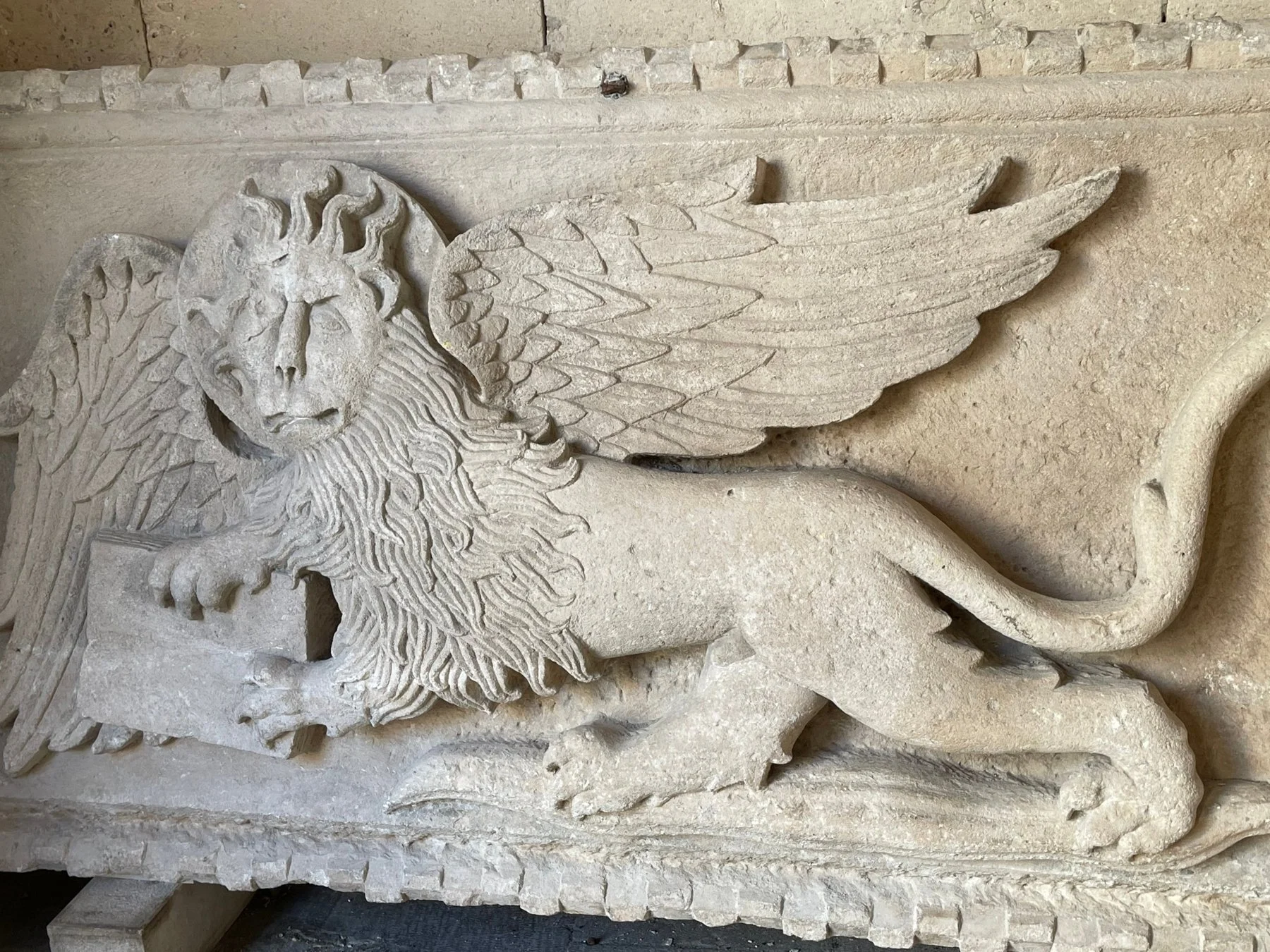
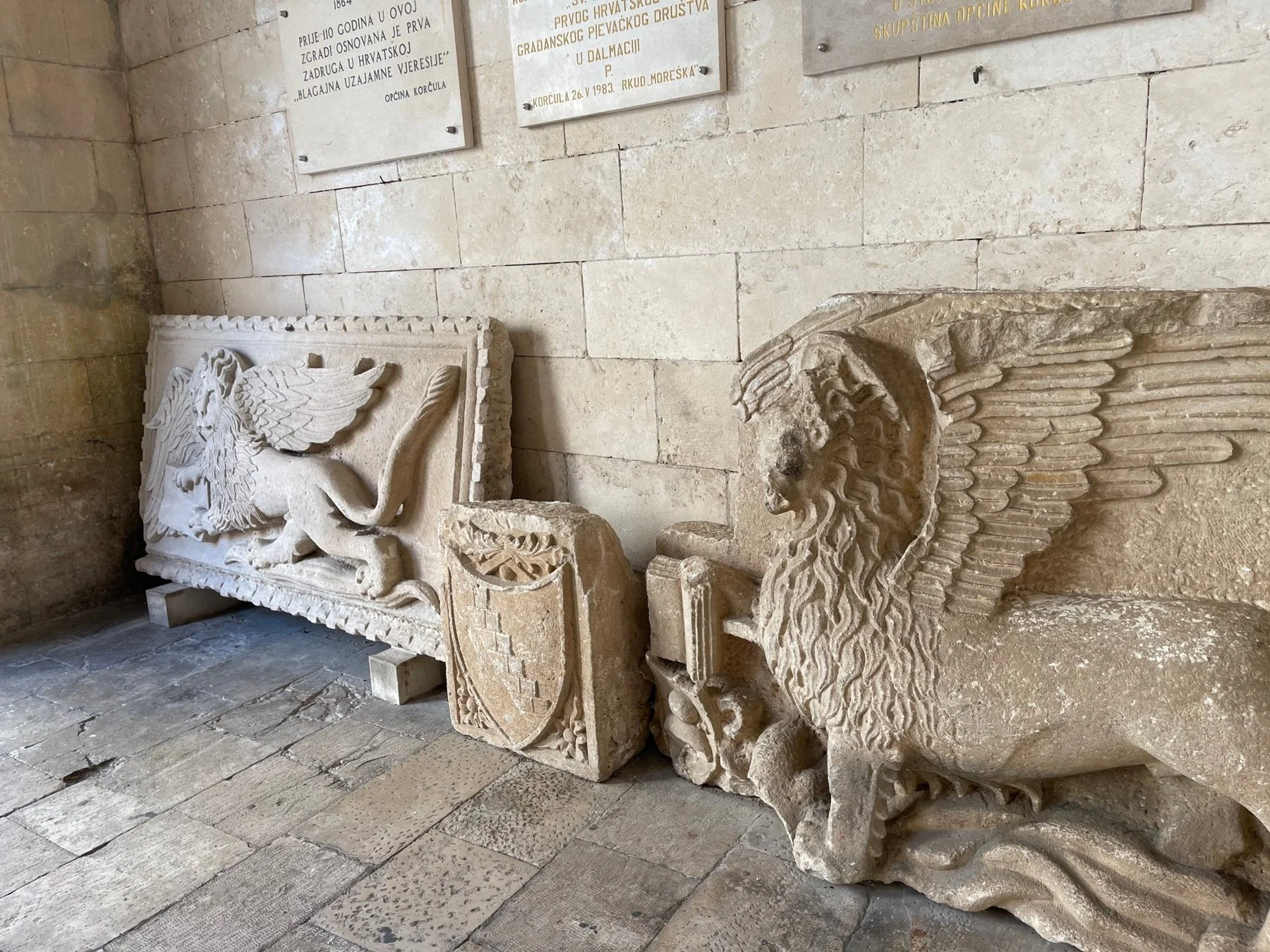
The winged lion of St. Mark, symbol of Venice.
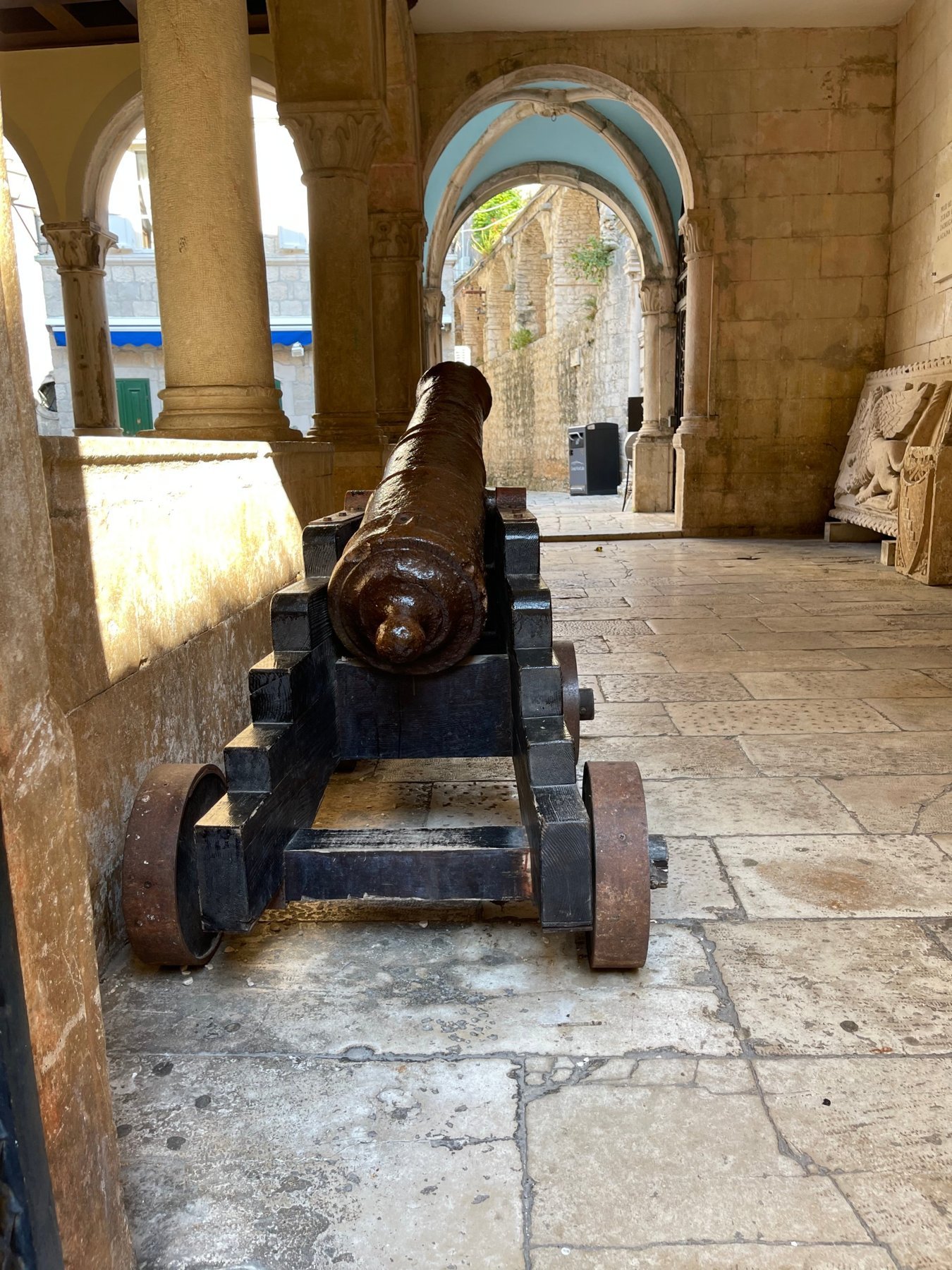
An old cannon standing guard under the arches.
St. Mark's Cathedral. At the top of town is the cathedral, named for the same saint as Venice's great basilica. Its carved main portal is the work of the Italian master Bonino da Milano, and the rose window and bell tower are worth standing still for.
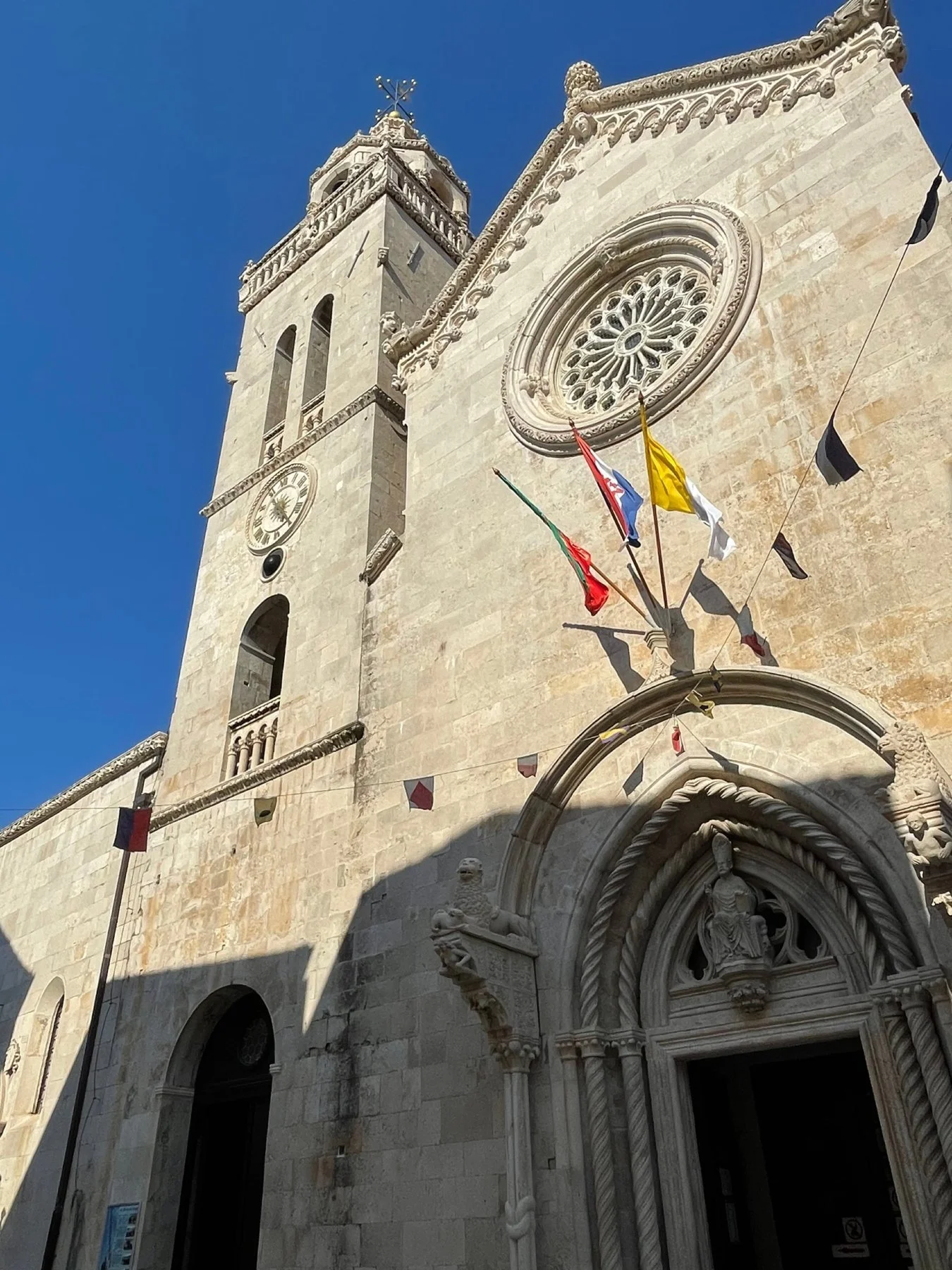
St. Mark's Cathedral, flags out for a feast day.
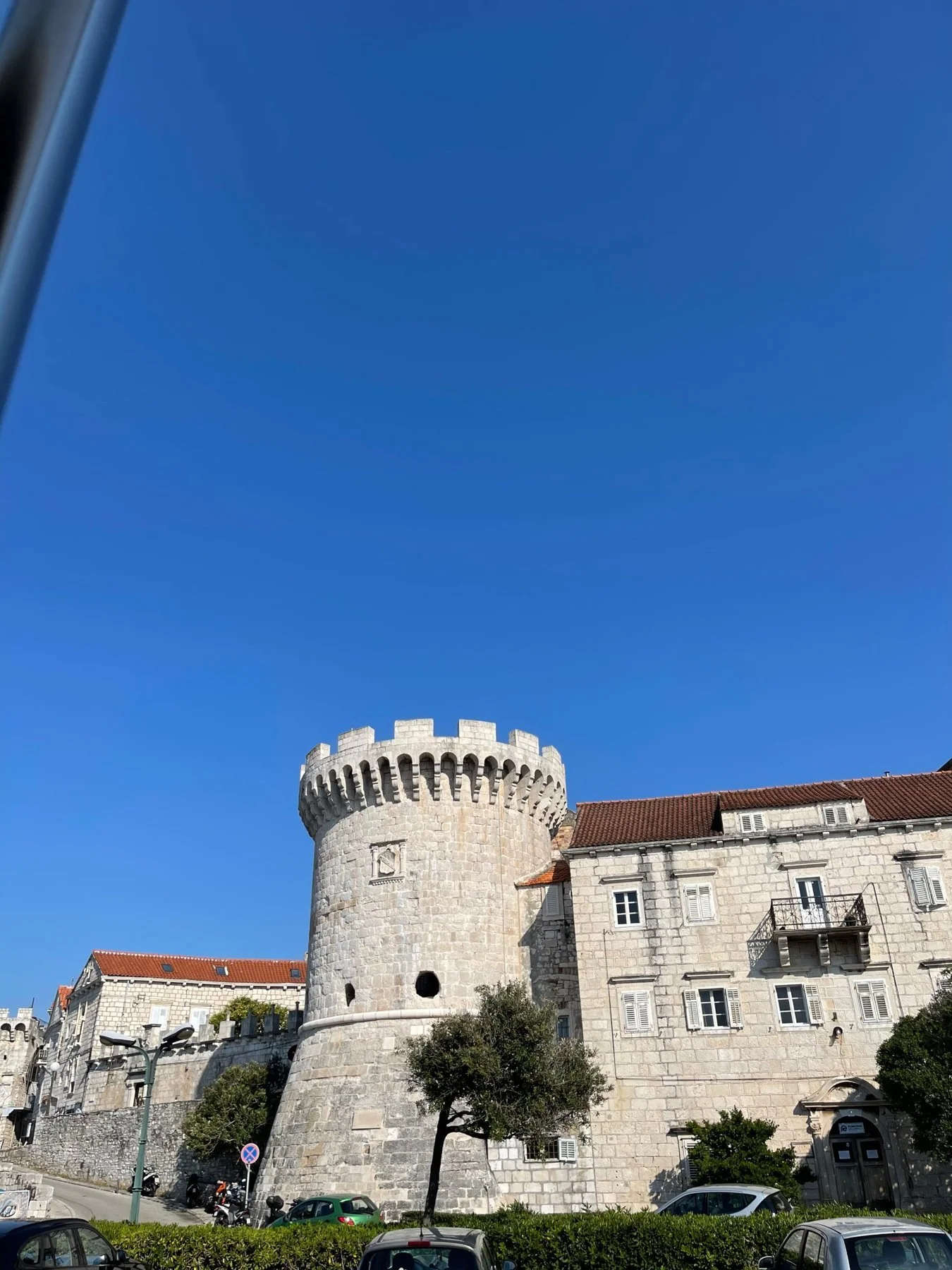
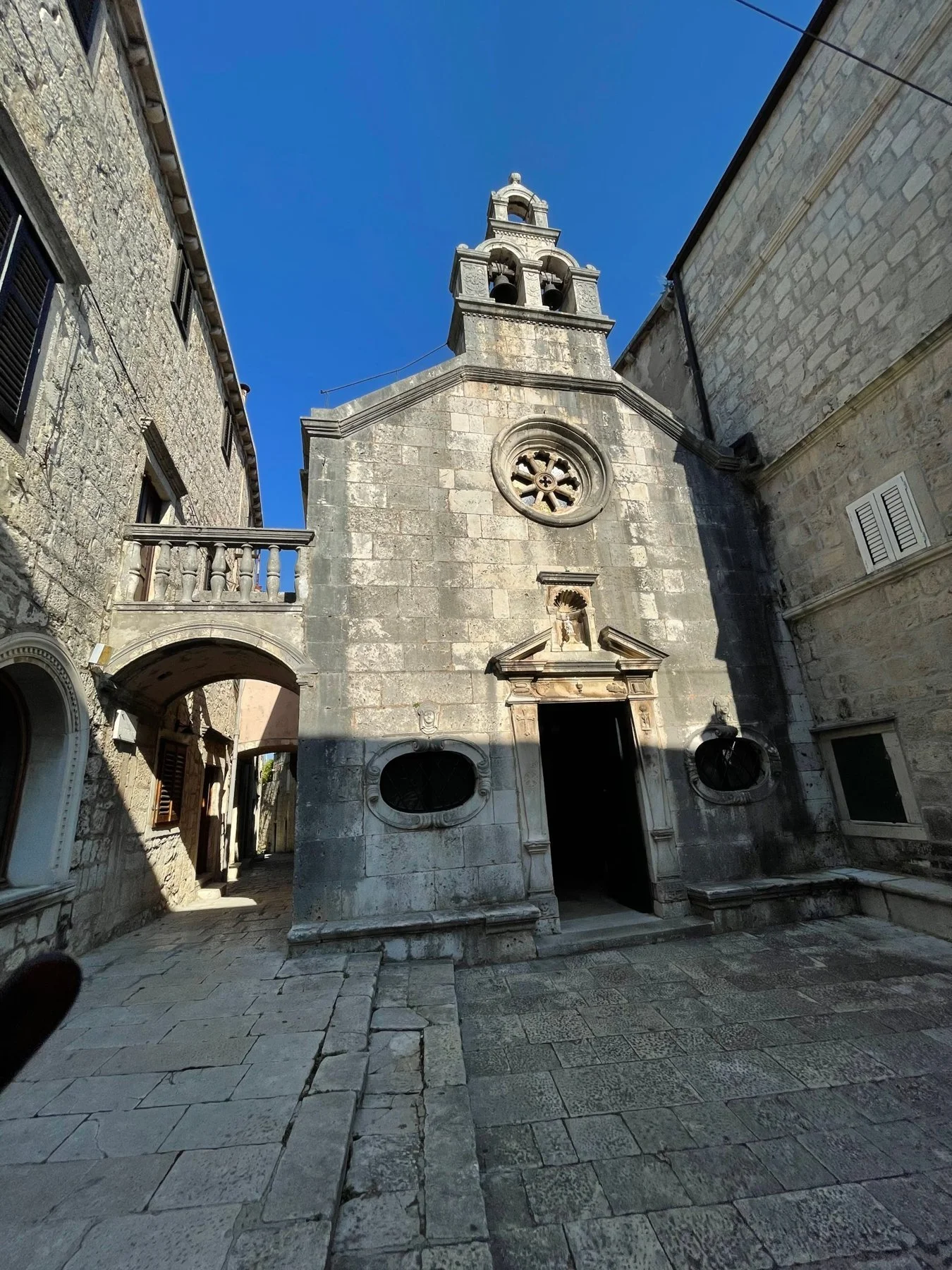
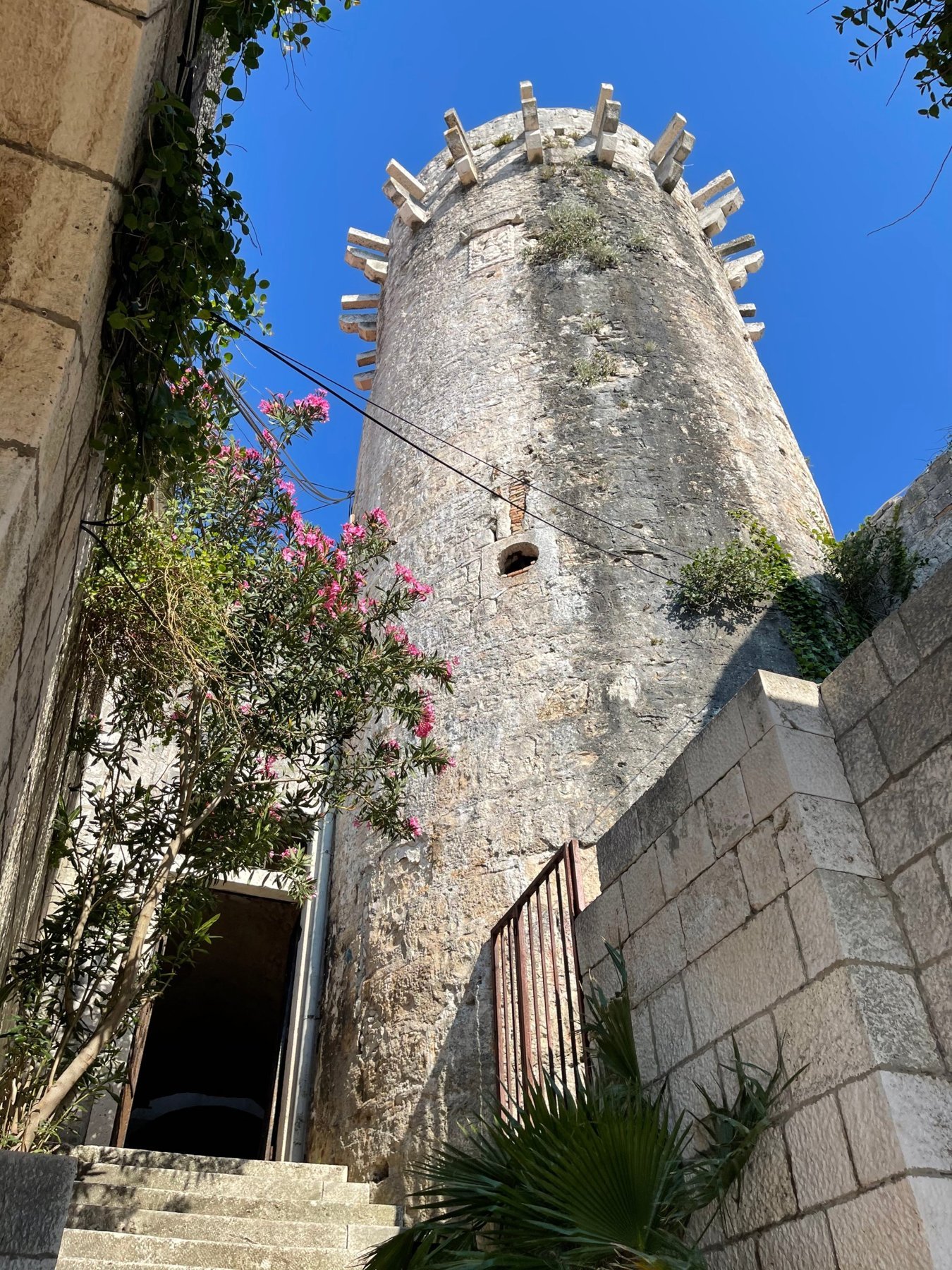
Towers and quiet corners. The old town is still ringed by walls and towers built to watch the sea. Inside, narrow stone lanes open onto tiny squares and churches.
Hvar: the grand piazza
You see Hvar's history before you even dock. The Fortica fortress sits high above the harbor, a Venetian stronghold watching over the town and the sea.
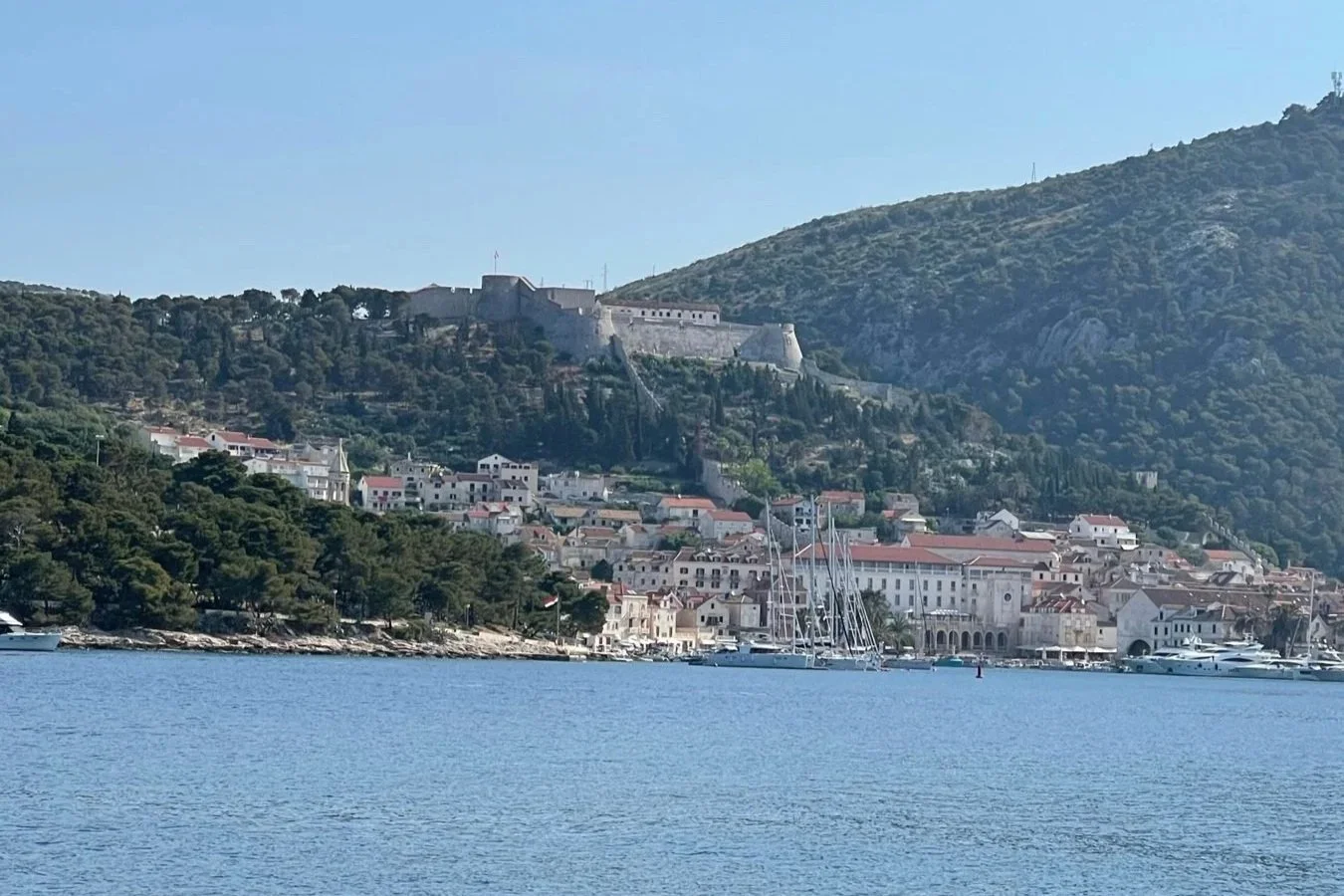
Hvar town from the water, the Fortica on the hill above.
Step ashore and you walk straight into St. Stephen's Square, the Pjaca. At about 4,500 square meters it is the largest square in Dalmatia, and in Venetian times it was where official announcements were read out to the town.
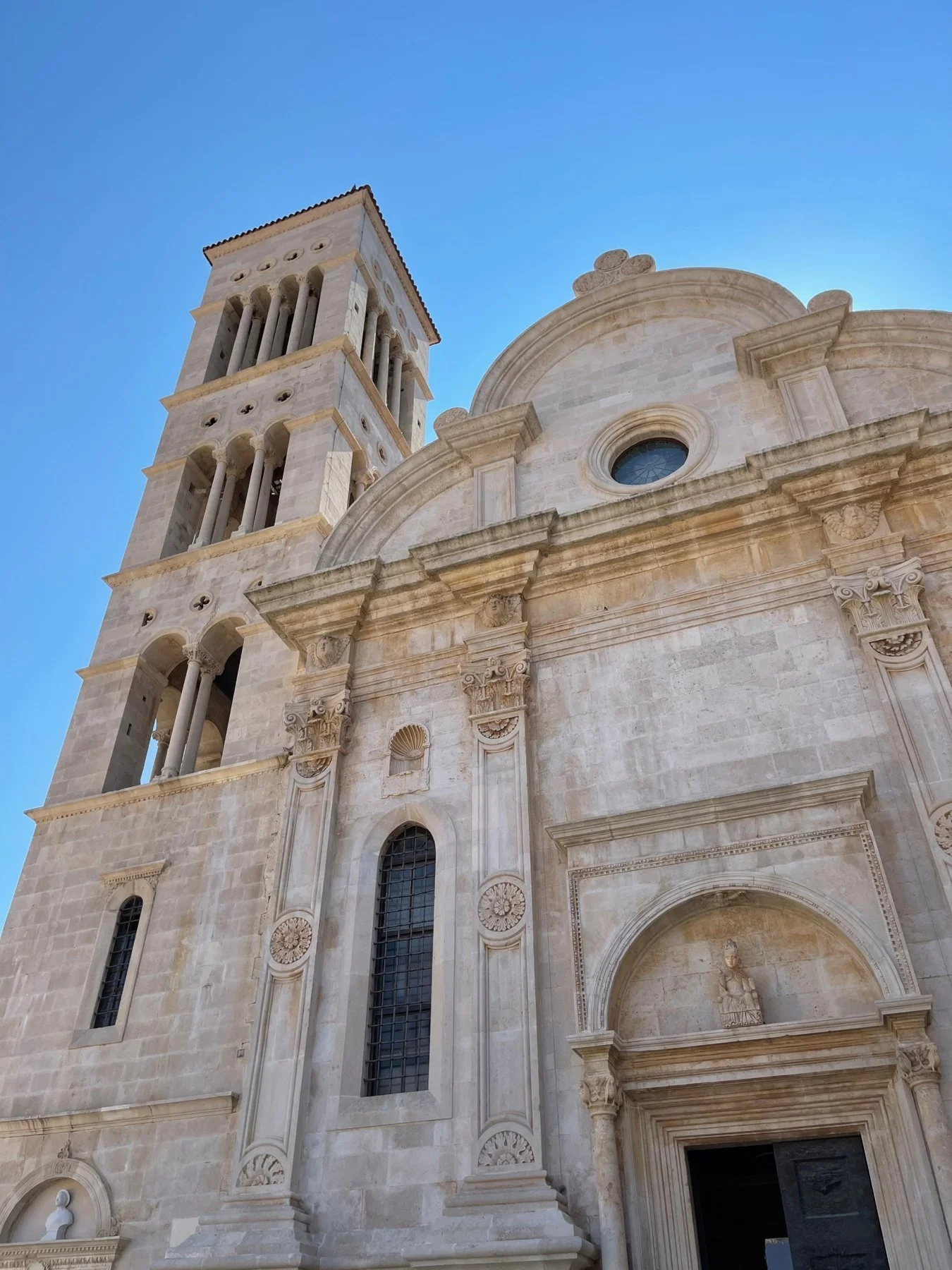
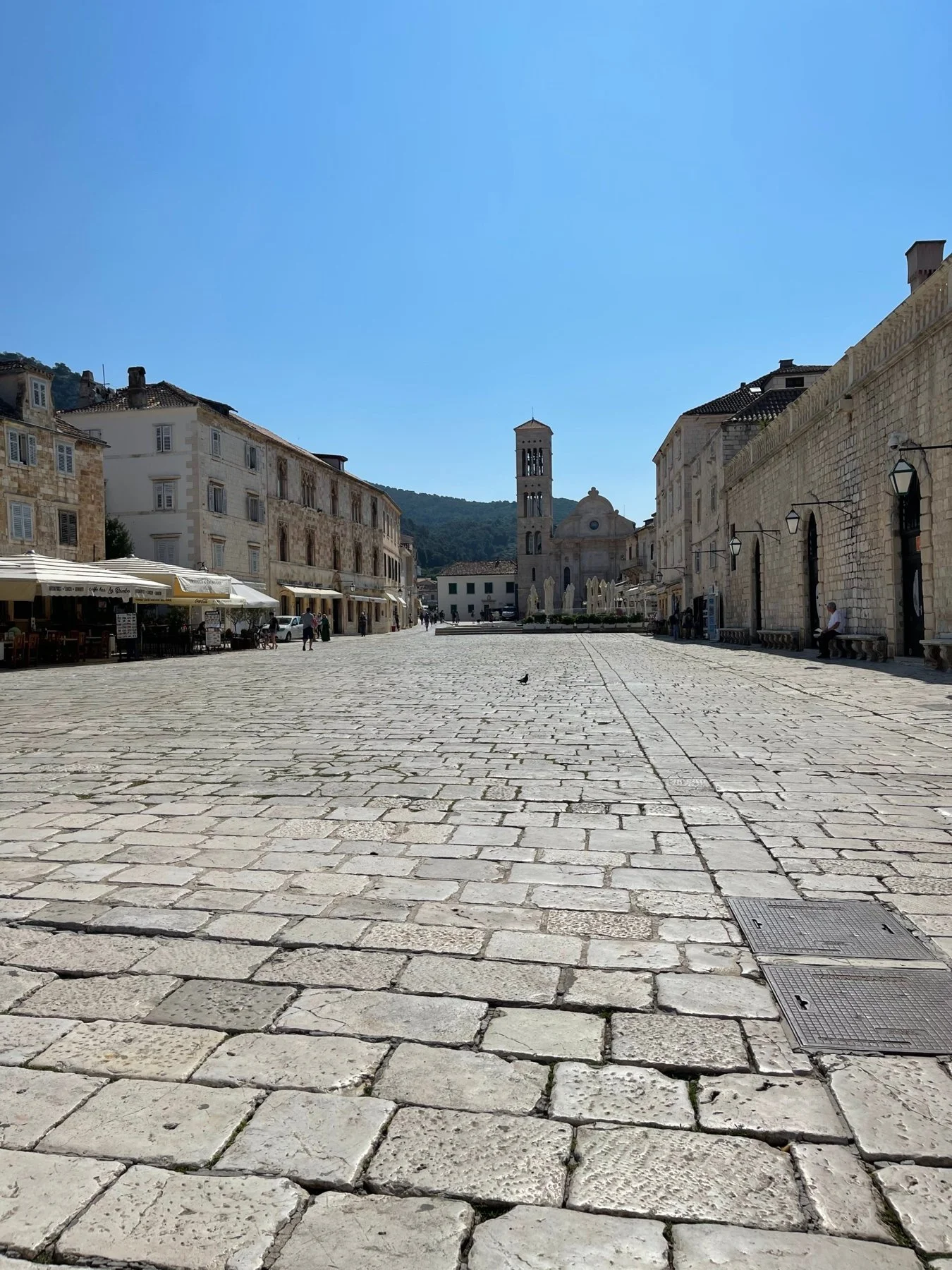
At the far end stands St. Stephen's Cathedral, with its Renaissance bell tower and a facade that took generations to finish.
The Venetian lion is here too. Look closely at this stone wellhead and you'll find him carved beside a coat of arms, with the year 1475 cut in Roman numerals above.
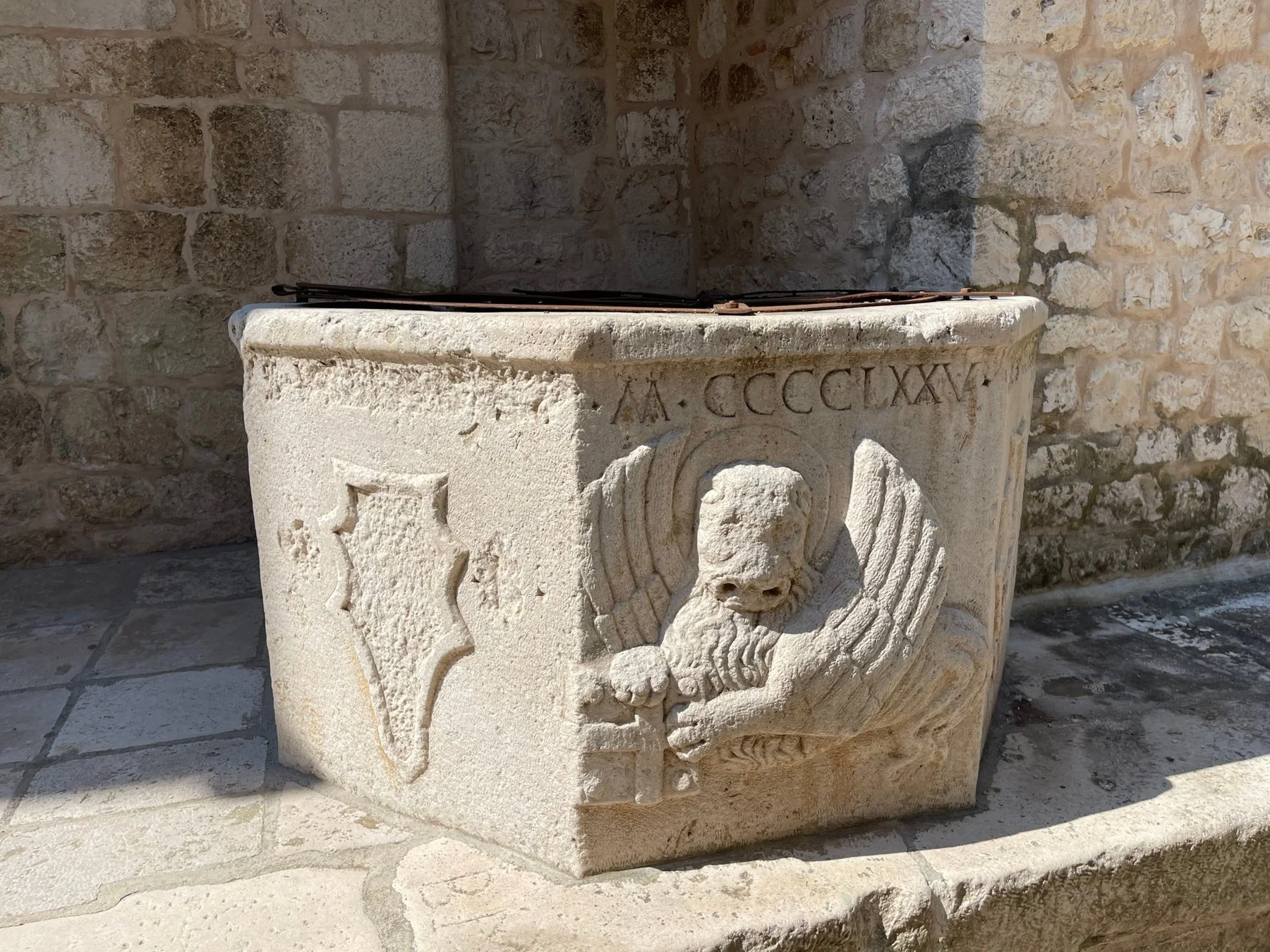
A wellhead carved with the winged lion of St. Mark, dated 1475.
Just off the square, the lanes climb past palaces with Venetian Gothic windows. The Hektorović Palace is one of the most beautiful, with a carved Gothic fountain set into the wall at street level.
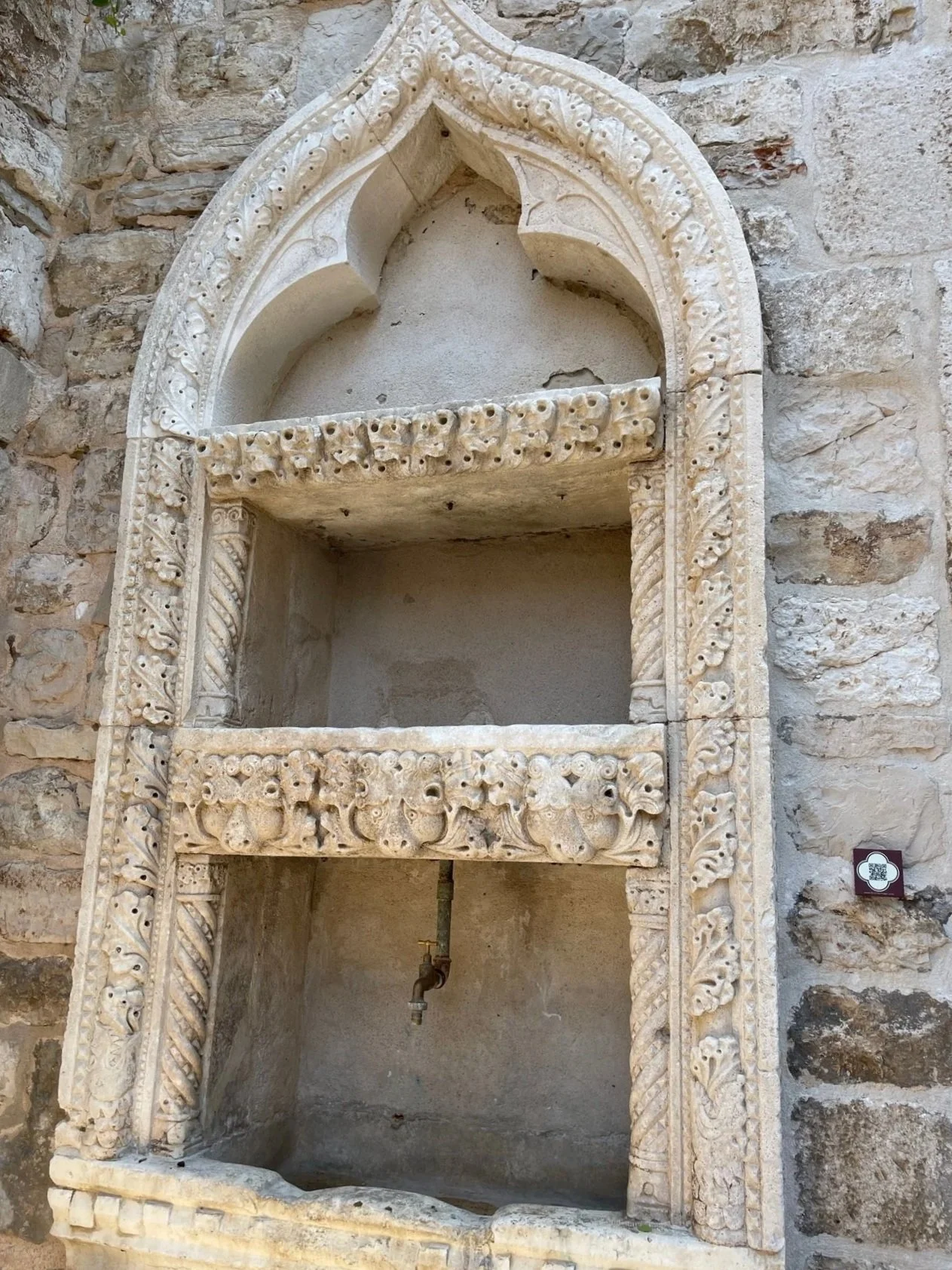
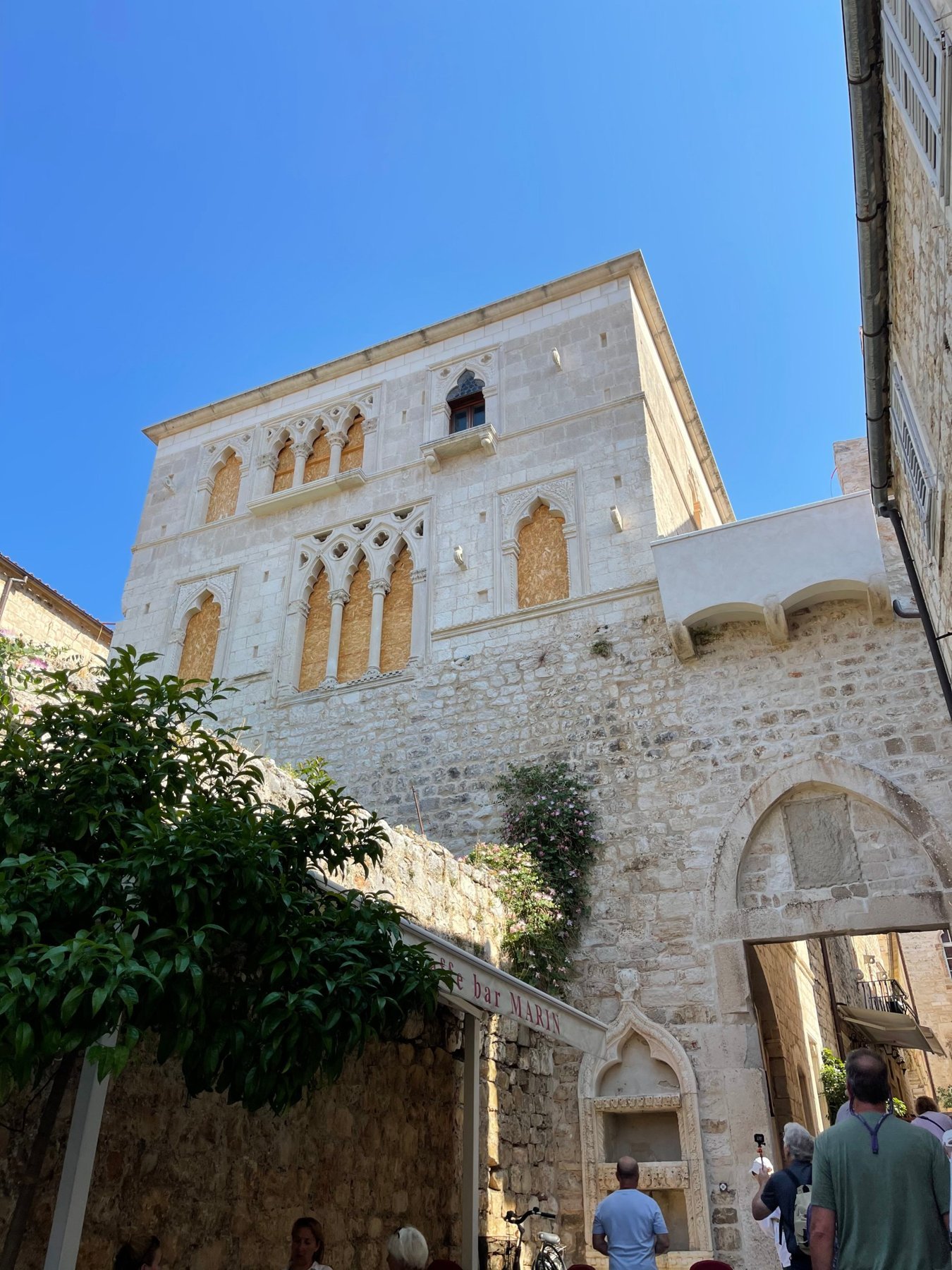
The Hektorović Palace and its Venetian Gothic windows.
Vis and Komiža: the Croatia that time forgot
Vis was my favorite surprise. It sits farther out than the other islands, and it feels quieter and wilder, with terraced vineyards running up the hills right behind the harbor.
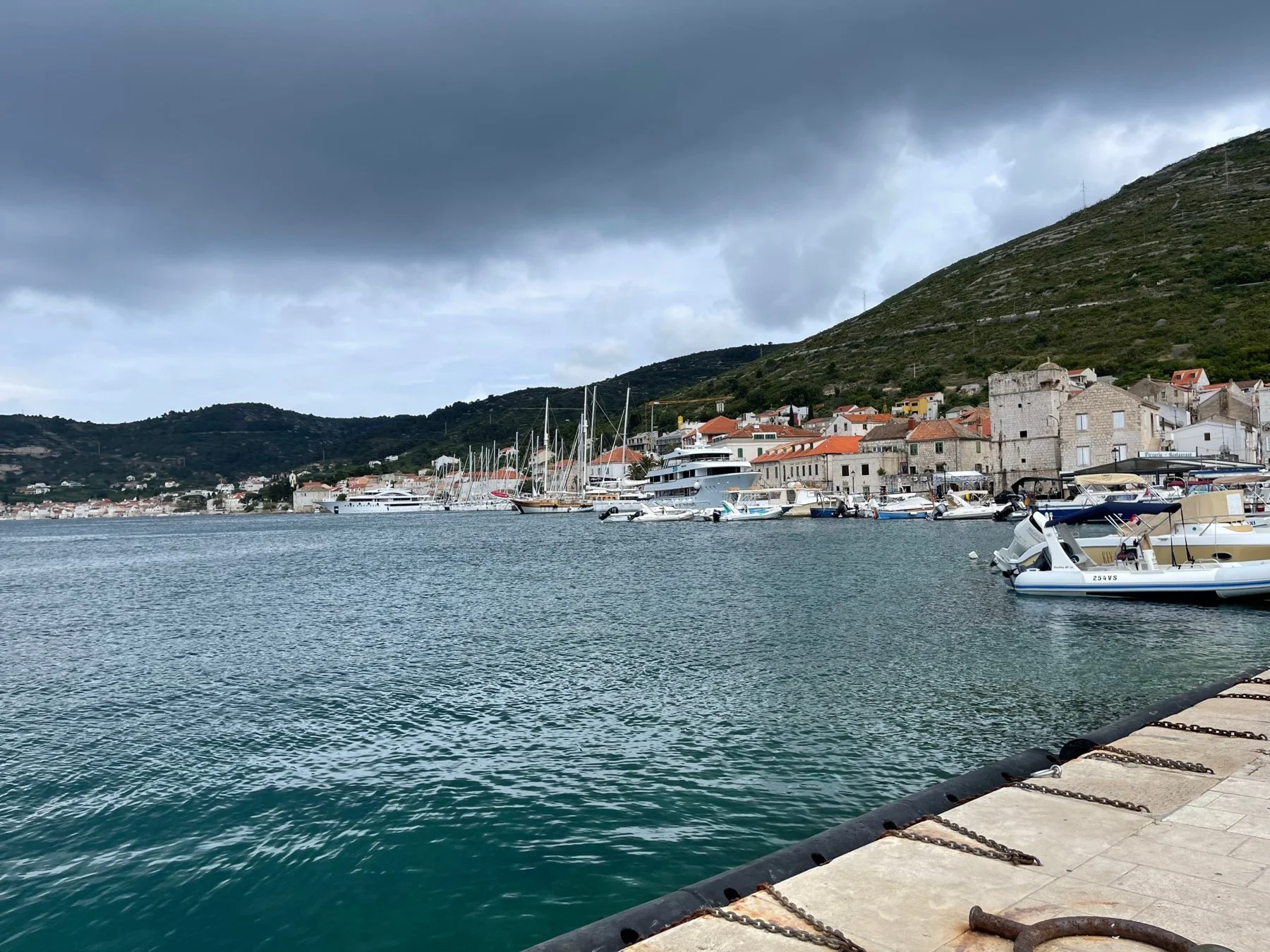
The harbor at Vis, the Rhapsody tied up along the quay as clouds roll in.
On the far side of the island is Komiža, a fishing town tucked under the mountain. The stone fortress on the waterfront, the Komūna, was built in 1585, and its construction was paid for not by Venice but by the town's own fishing income. Today it houses a fishermen's museum, including a replica of the falkuša, the sailing boat the Komiža fishermen once took far out to sea.
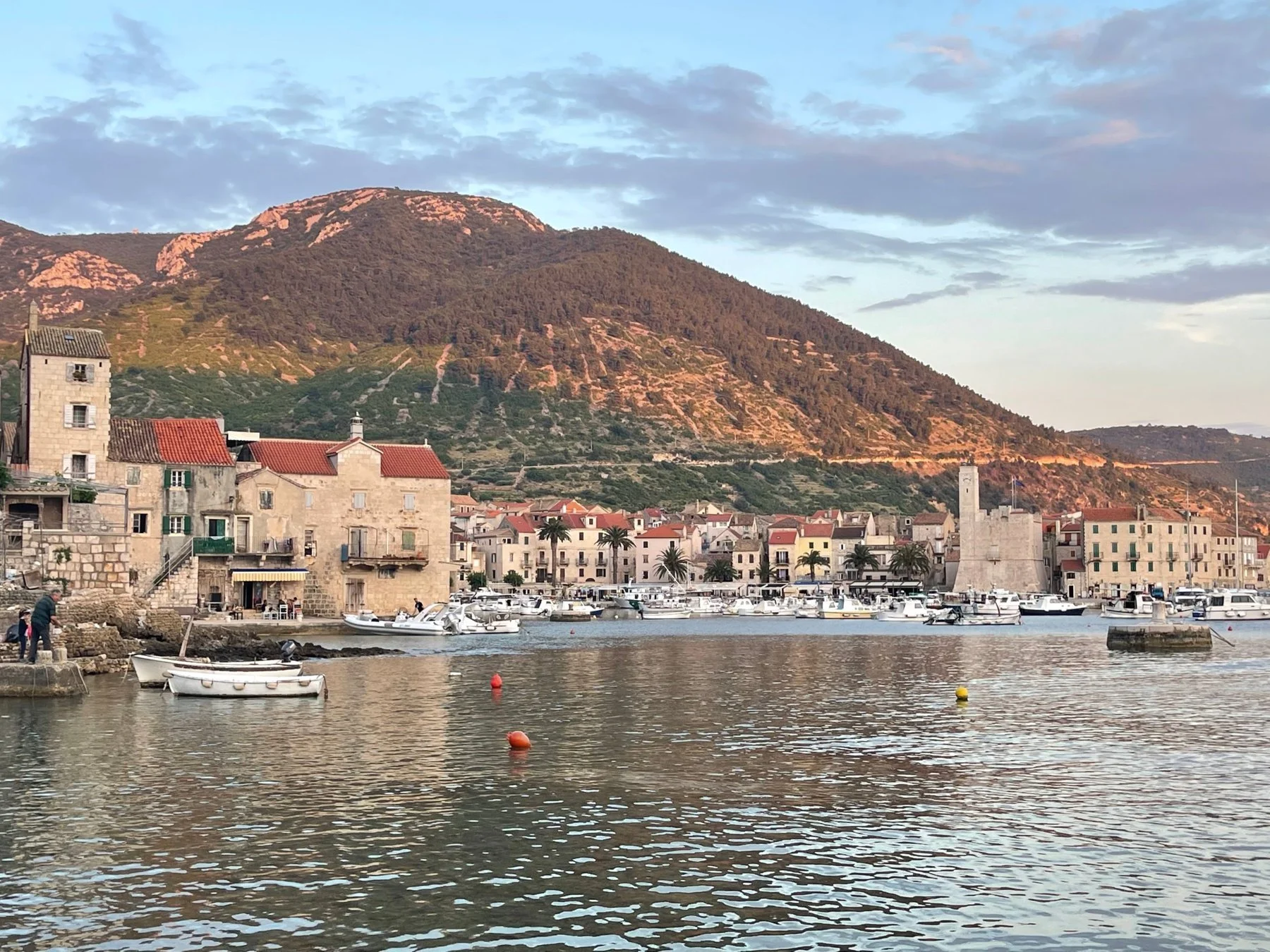
Komiža at golden hour, the mountain glowing behind the fortress.
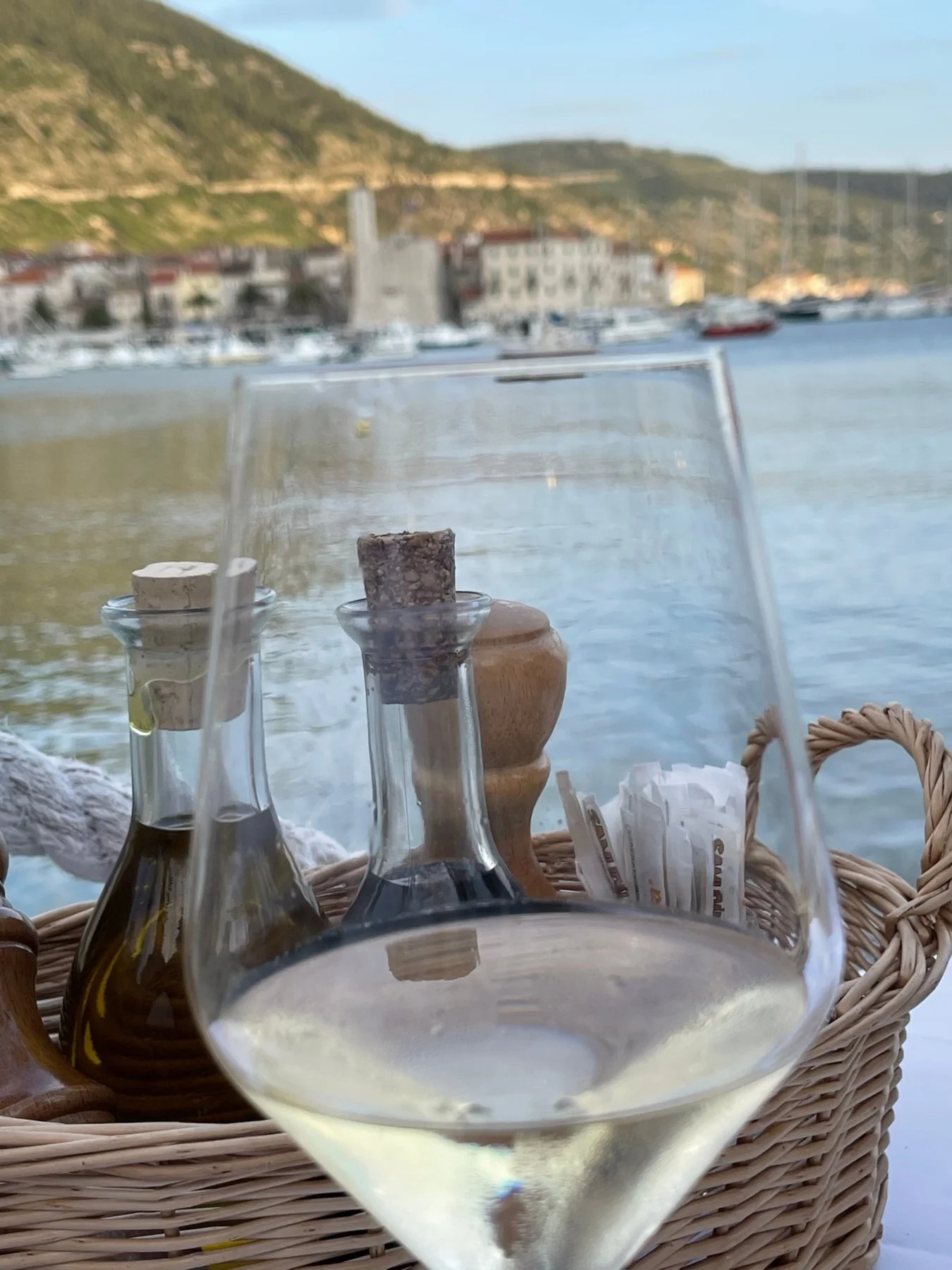
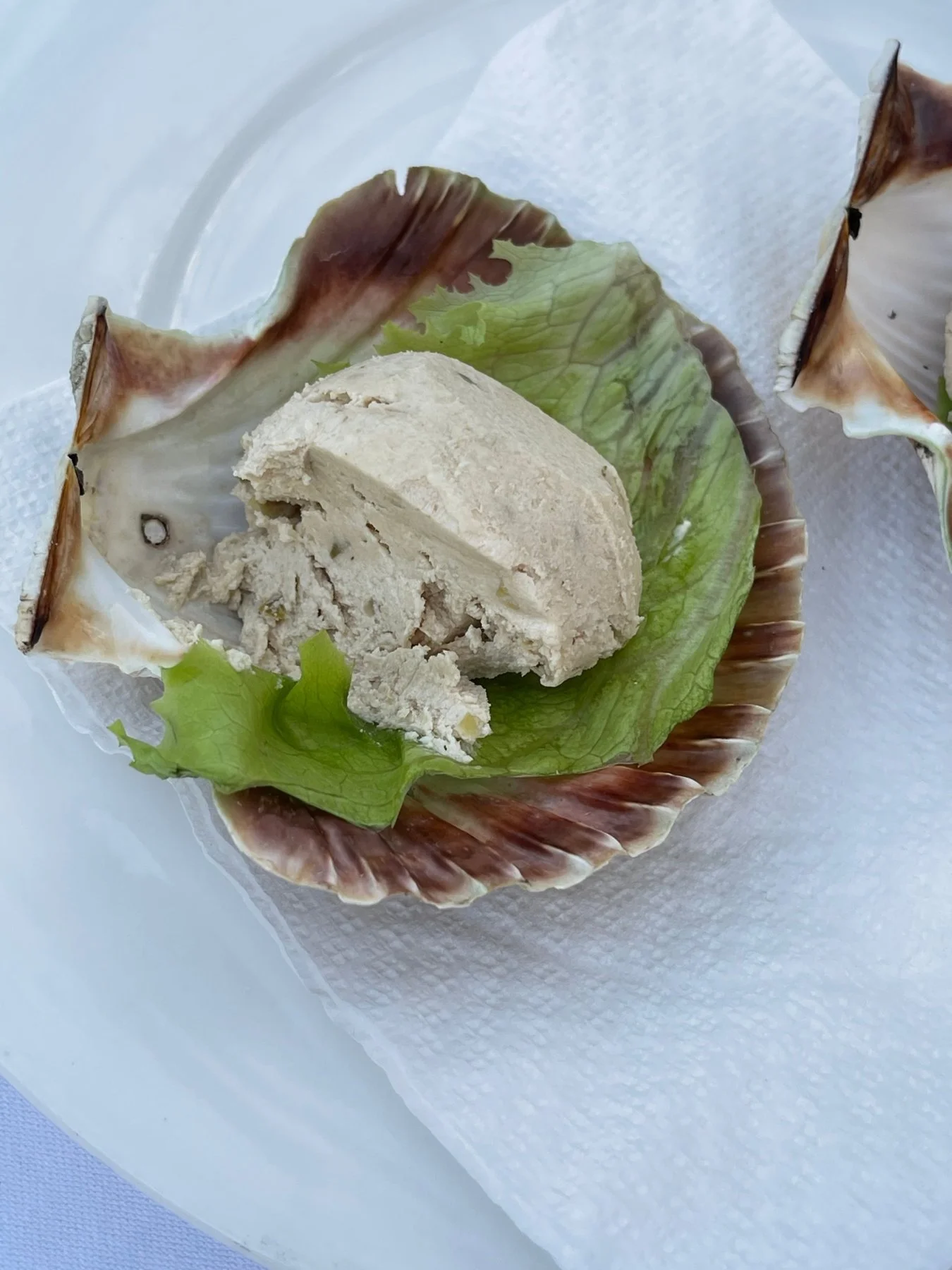
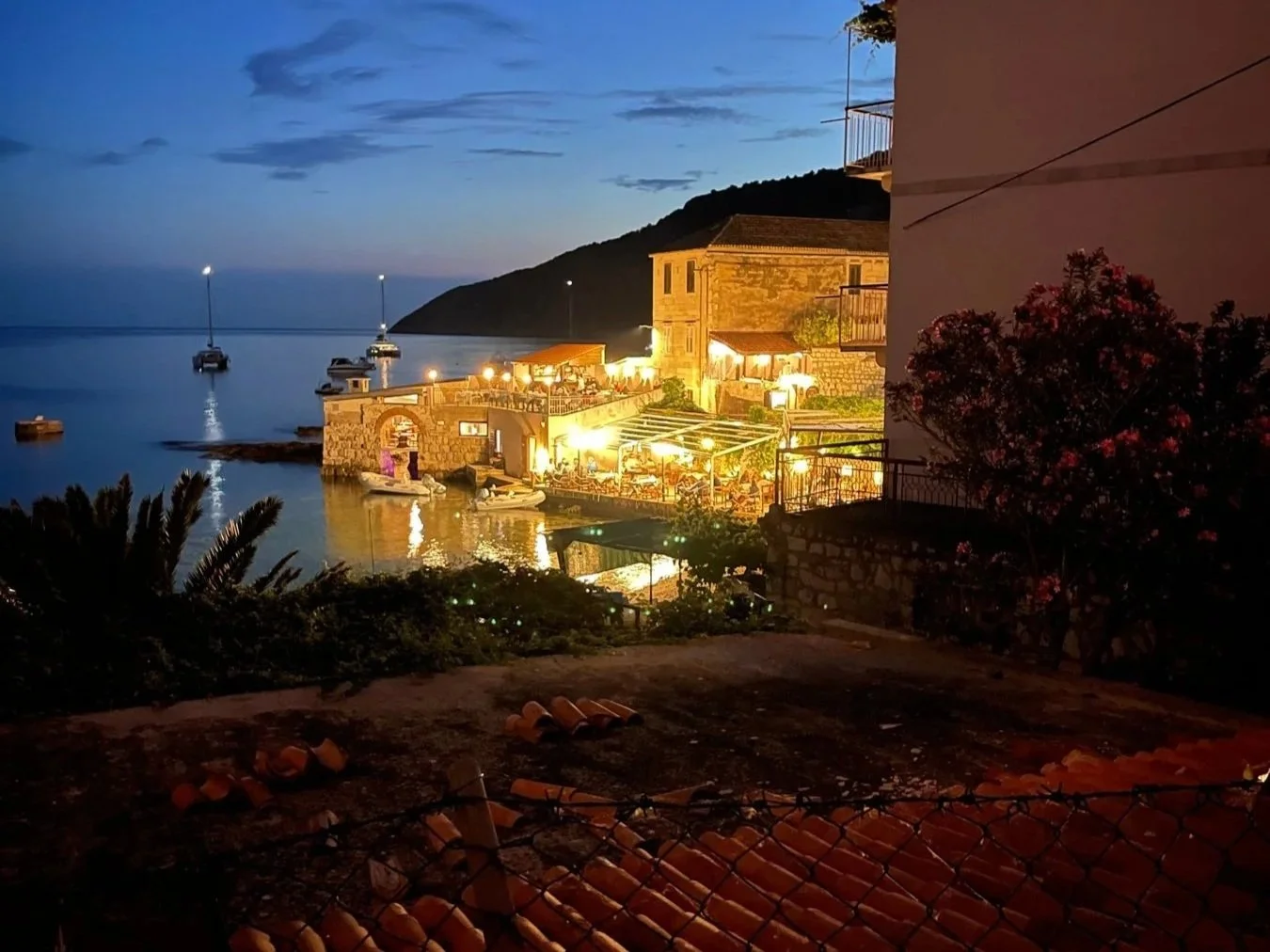
Dinner here was right on the water. As a sommelier, if you're in Komiža I'd point you to Vugava, an old white variety that grows on Vis, alongside whatever came in on the boats that day.
Brač: the island of white stone
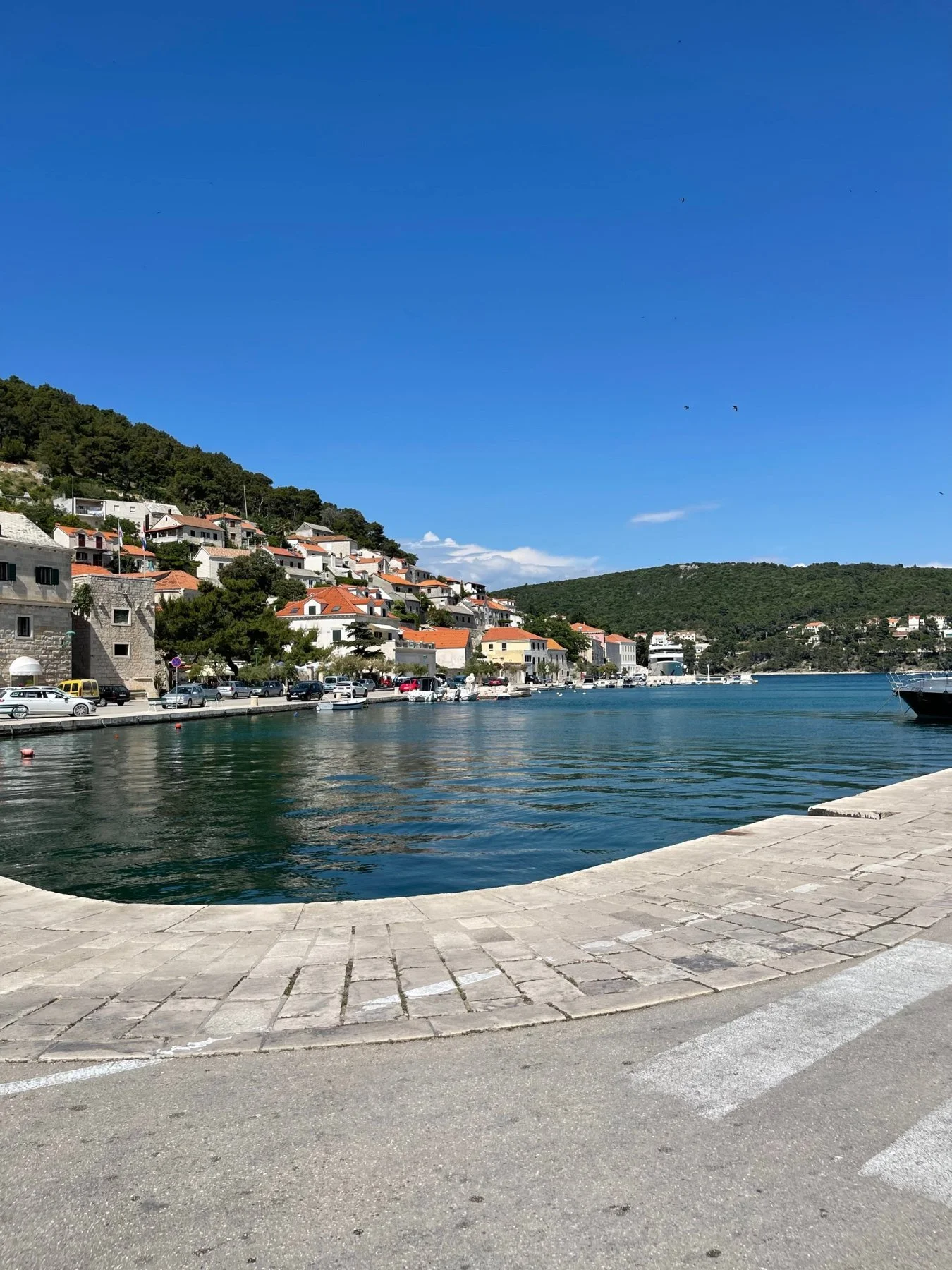
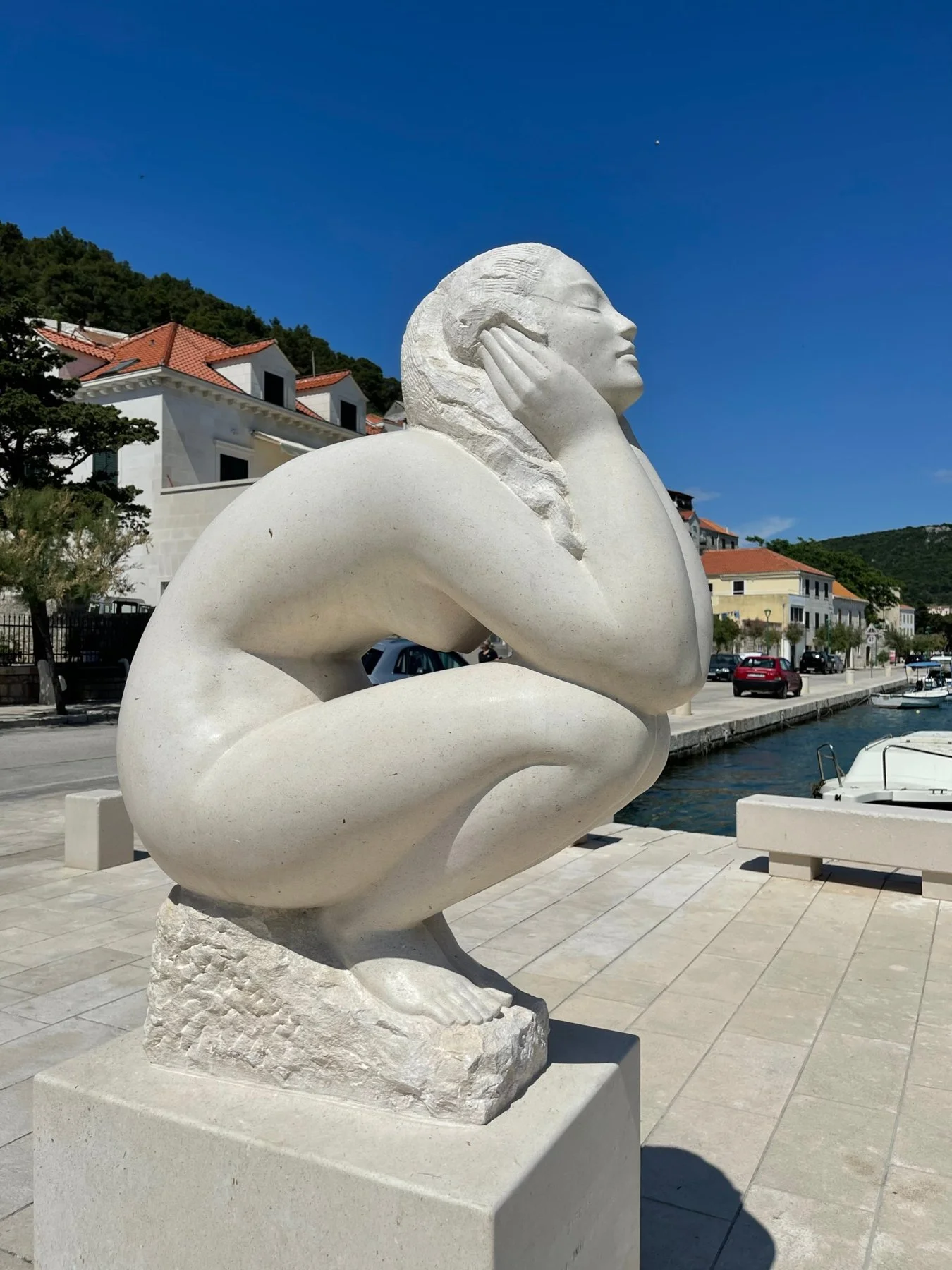
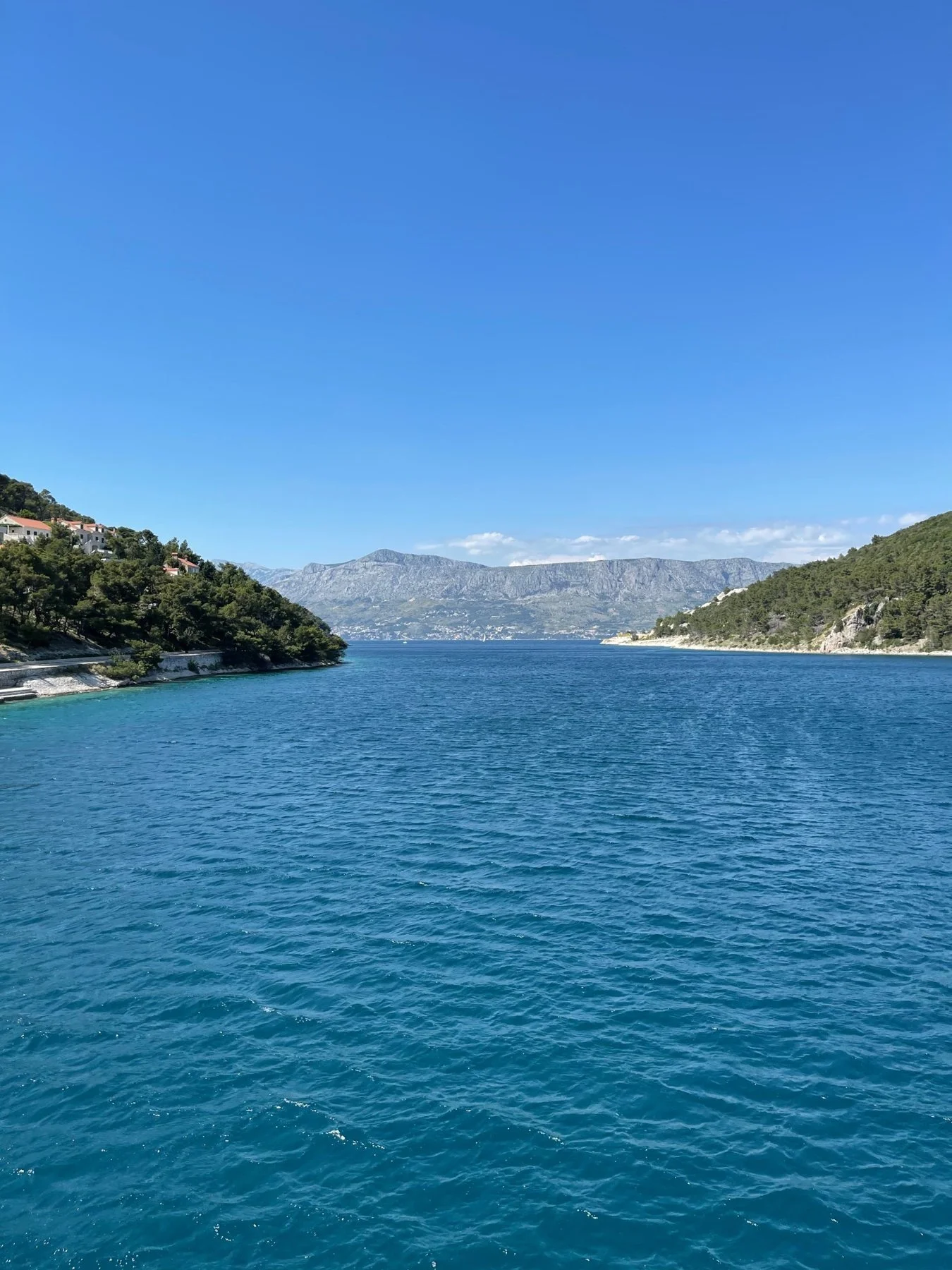
On Brač we tied up in Pučišća, a quiet harbor town built almost entirely of the island's famous white limestone. Brač stone has been quarried since Roman times and went into Diocletian's Palace in Split. Pučišća is also home to Croatia's only stonemason school, where students still carve by hand.
Trogir: a whole town on an island
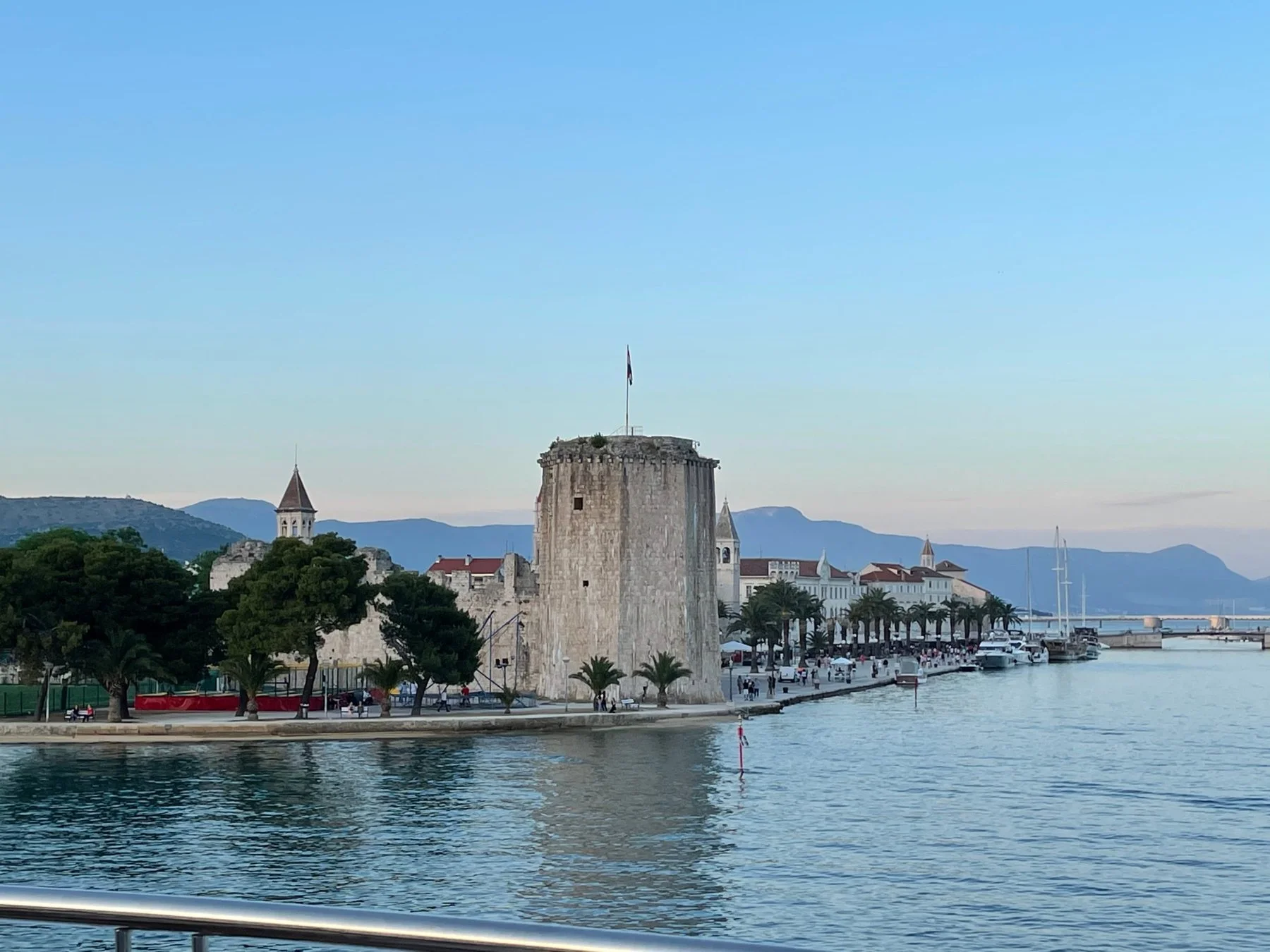
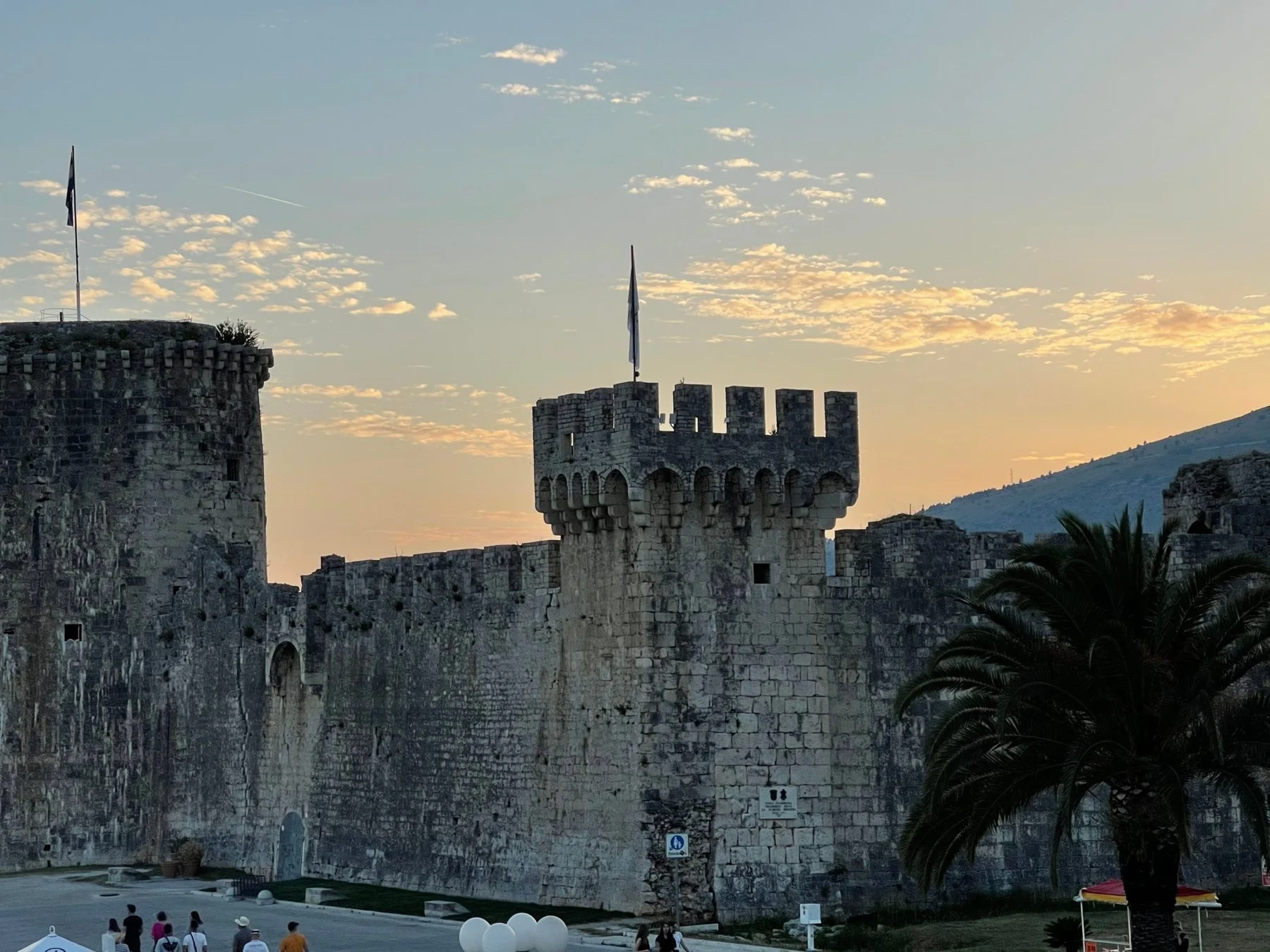
Trogir sits on a tiny island between the mainland and the island of Čiovo, and its old town is a UNESCO World Heritage site. At the tip stands the Kamerlengo Fortress, built by the Venetians in the 1400s, its towers glowing at sunset.
Krka: waterfalls in a river canyon
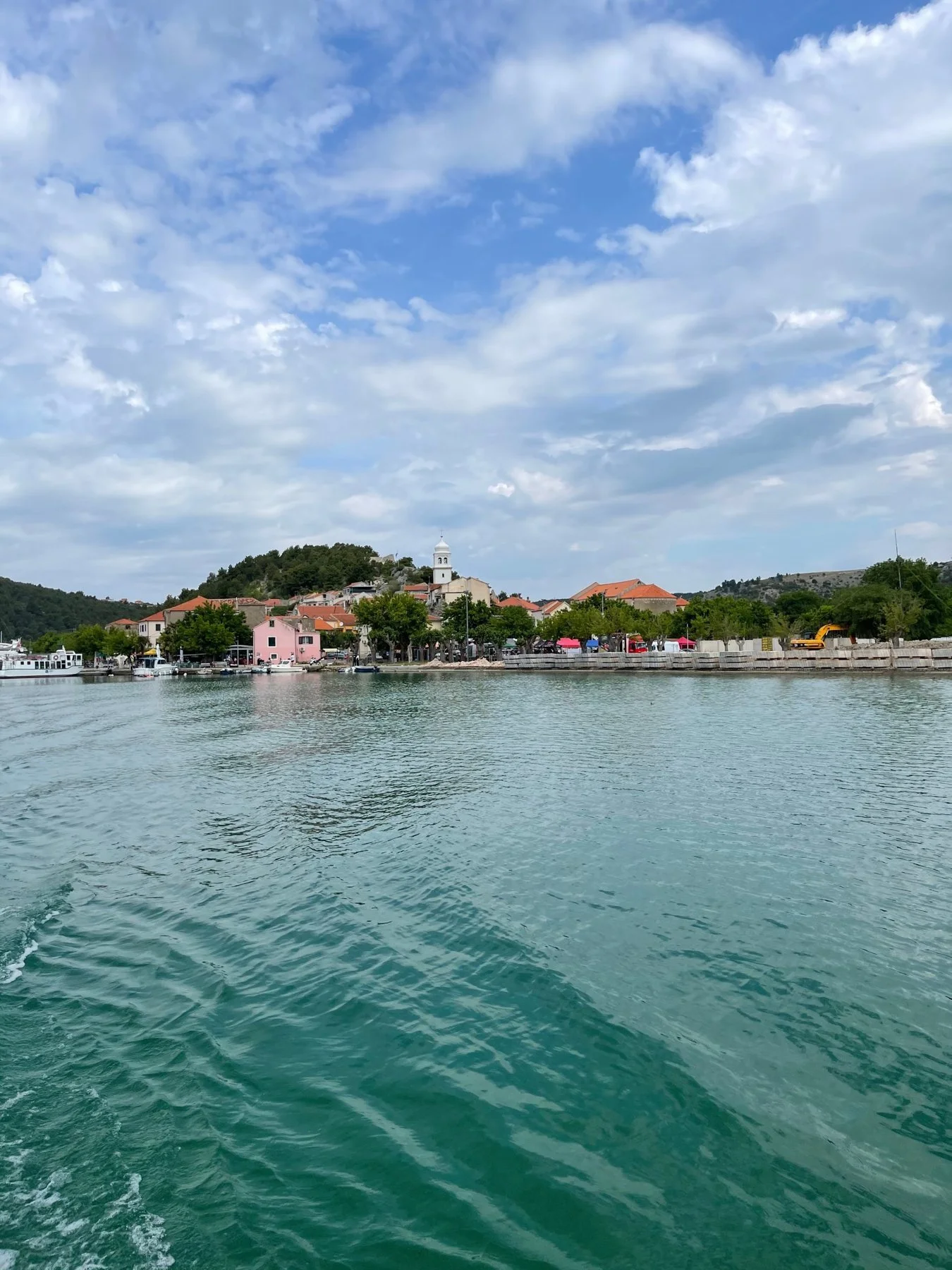
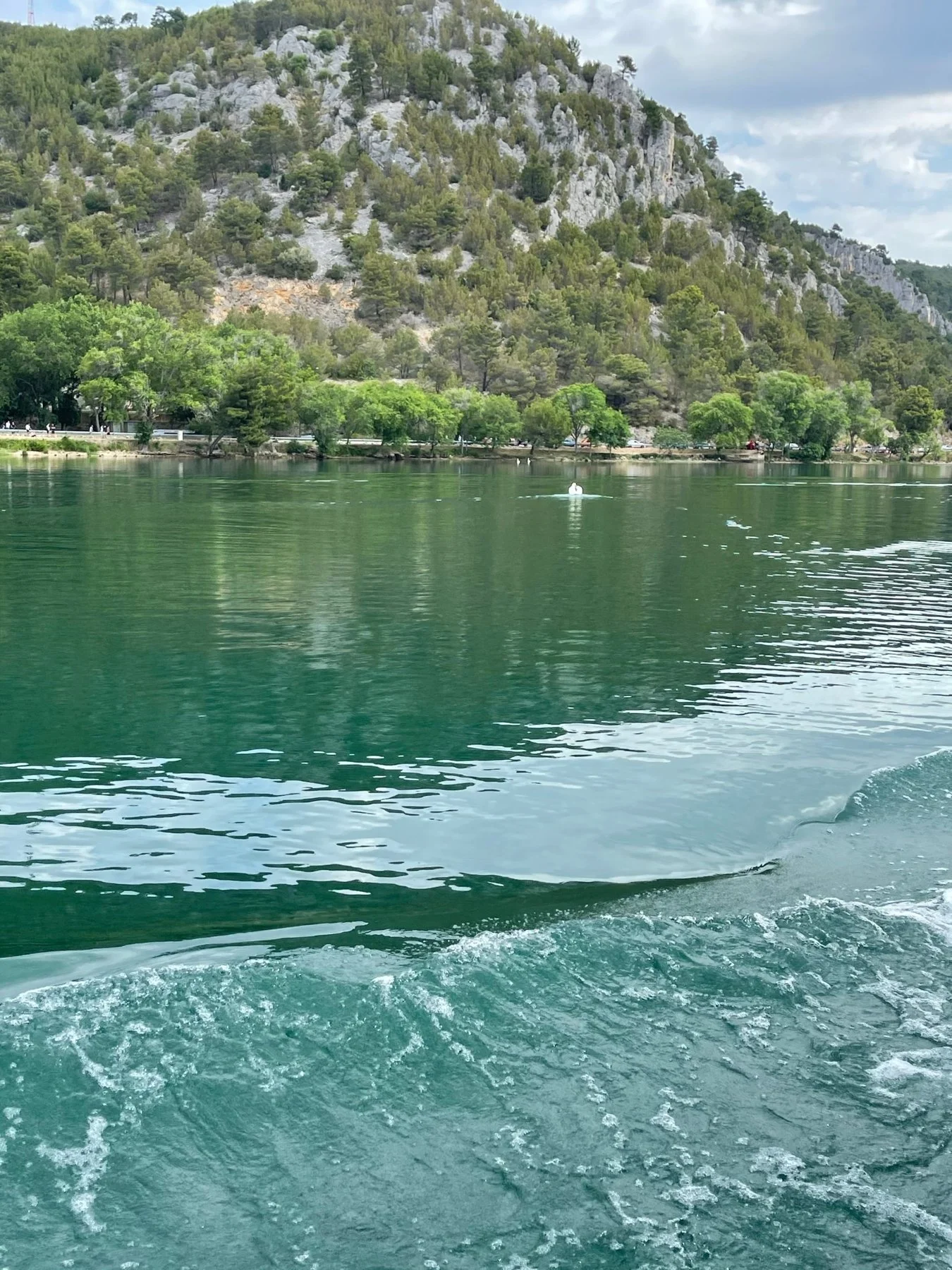
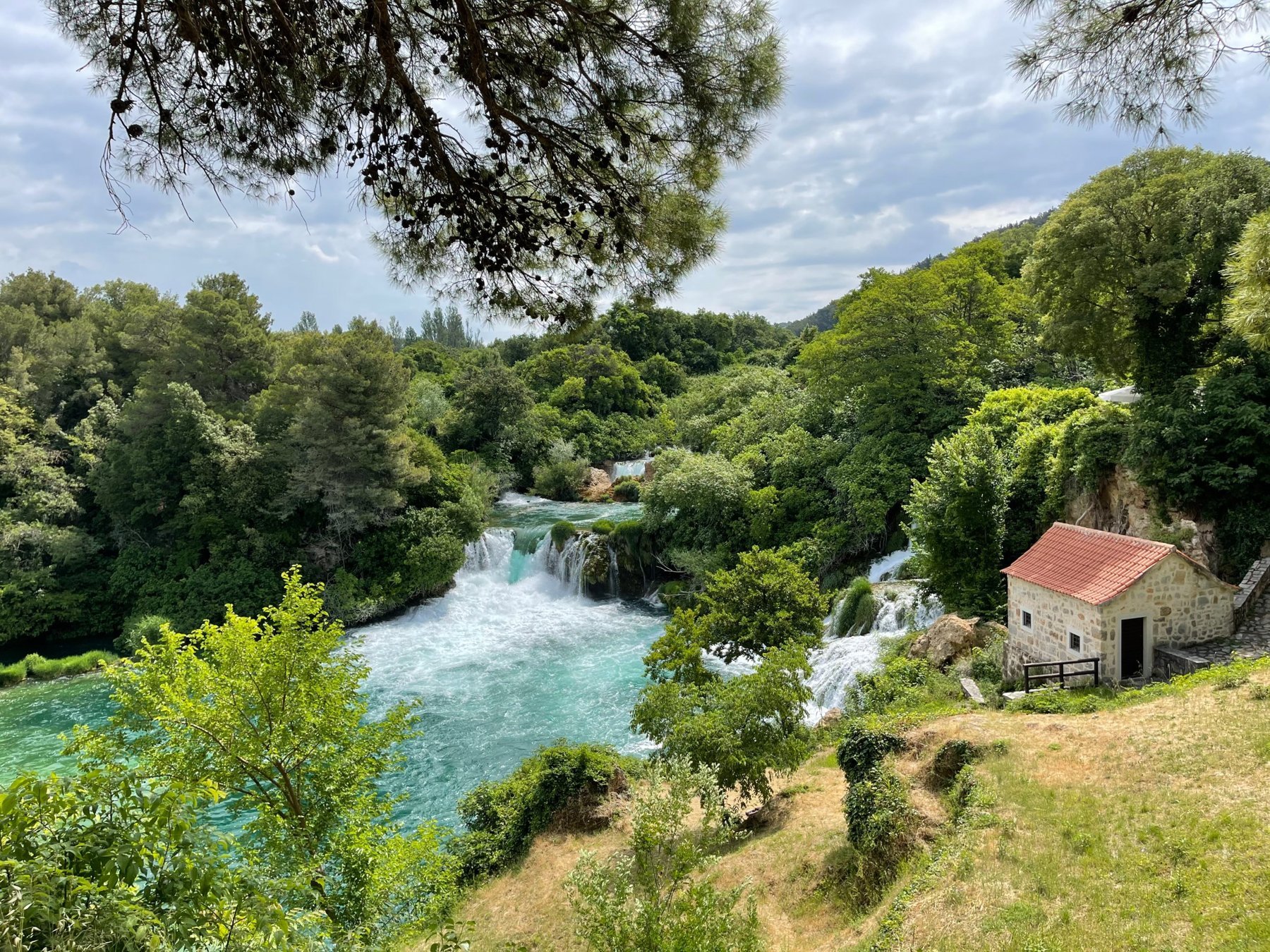
The last big surprise was inland. From the little river town of Skradin, a boat carries you up the Krka River into Krka National Park.
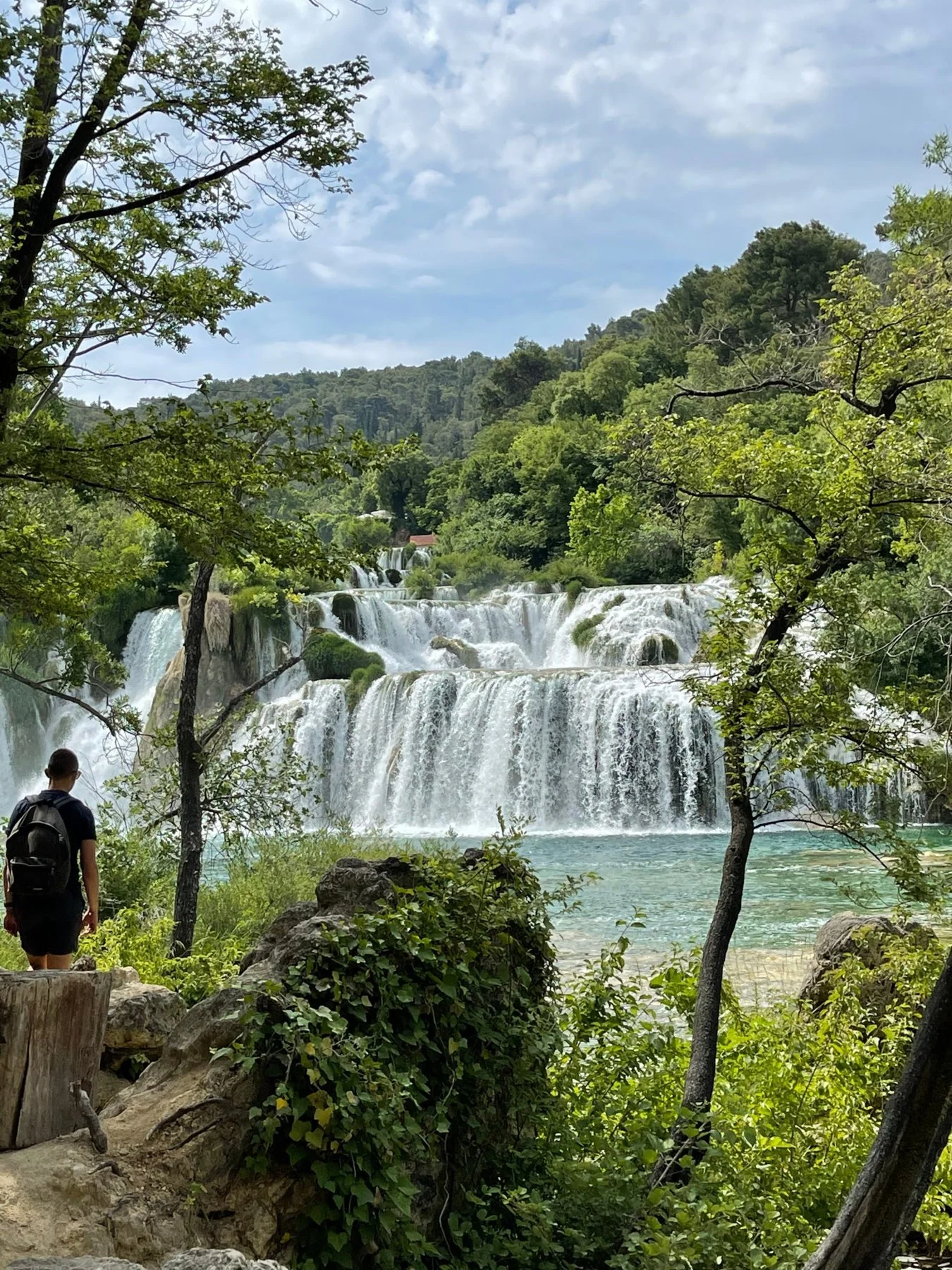
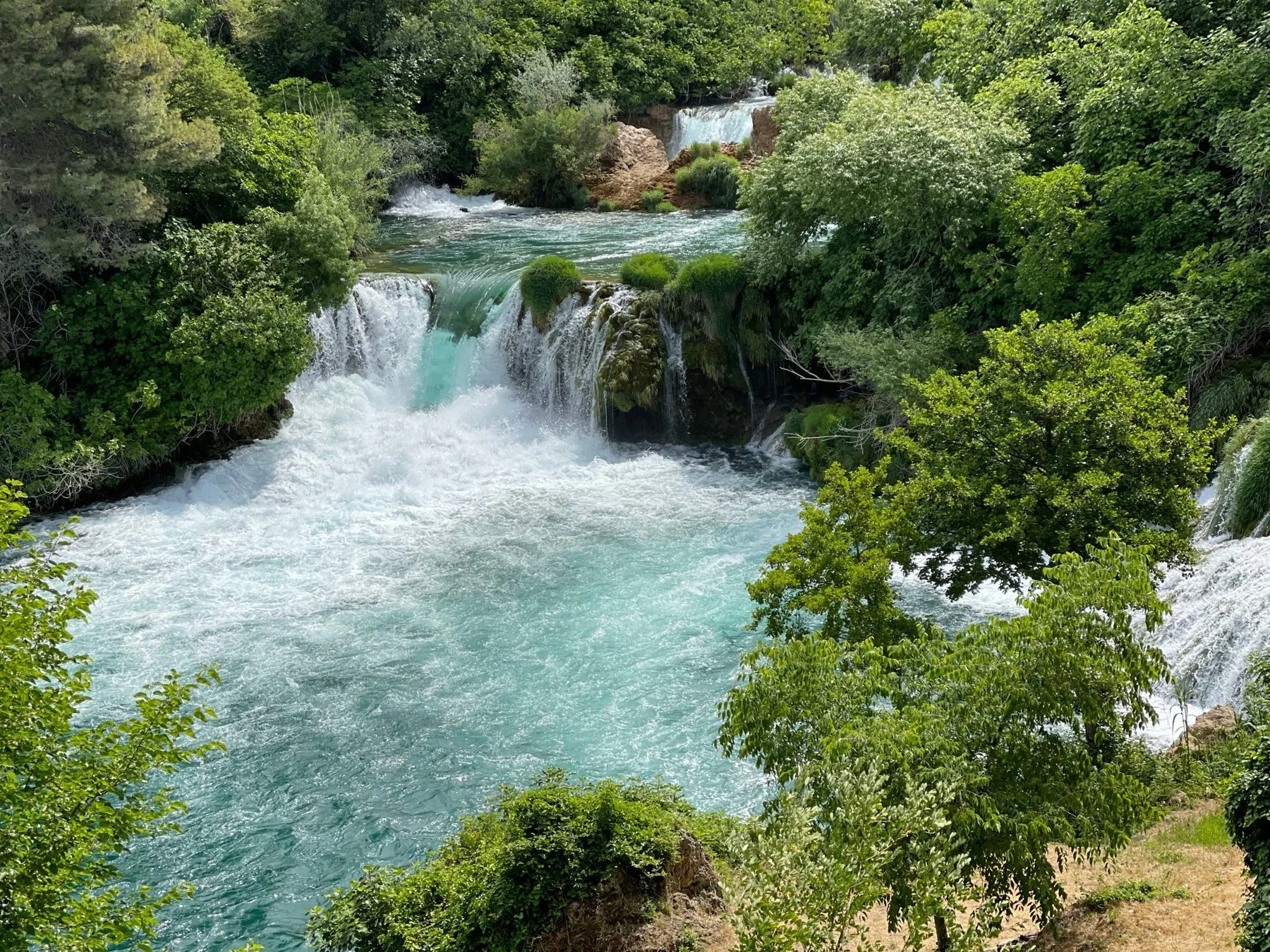
The payoff is Skradinski Buk, the park's most famous waterfall. The water has built up tier after tier of travertine, and it pours over every one of them into pools of the clearest turquoise I've seen.
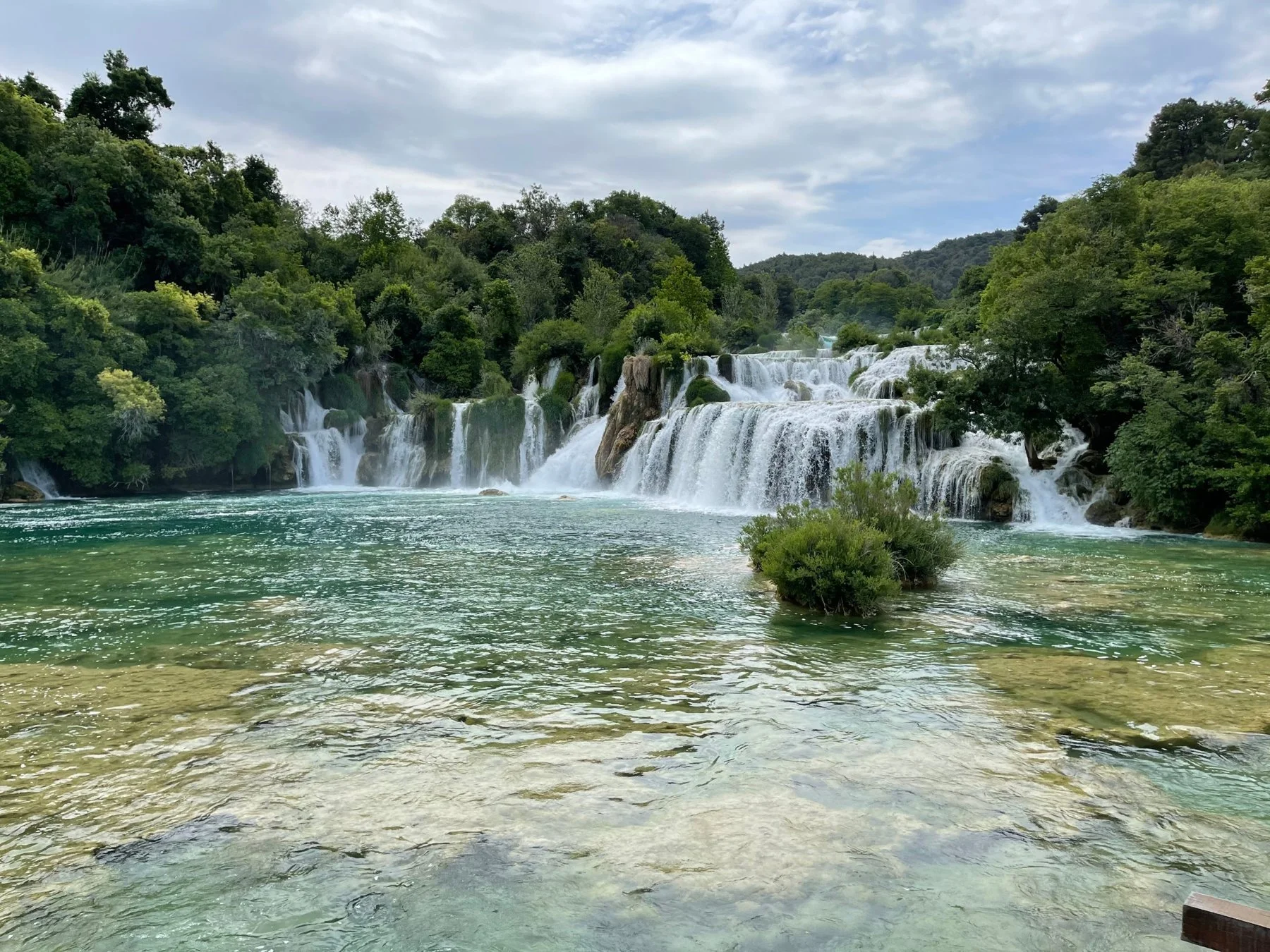
Skradinski Buk, tier upon tier of falls.
Why a small yacht is the way to see Croatia
Our yacht was the Rhapsody, a 50 meter motor yacht built to cruise the Croatian coast. With only 20 guests aboard, we slipped into harbors the big ships can't reach and walked off the boat straight into town. No tenders, no lines, no thousands of people arriving at once. Dinner was often a short stroll from the dock, and sunset was always from the deck.
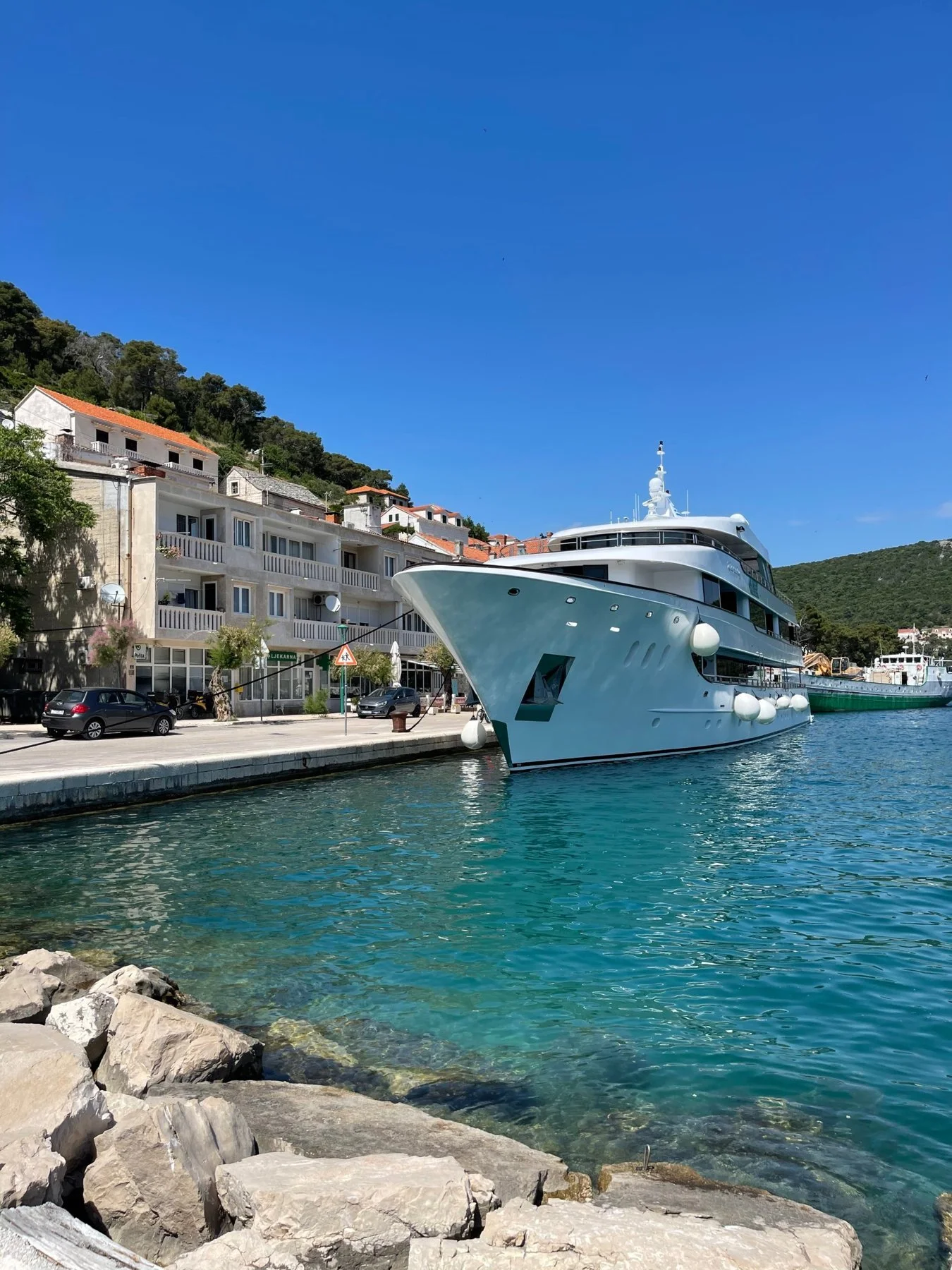
The Rhapsody, our home for the week, docked right on the town waterfront.
If Croatia is on your list, I'd love to help you plan it, whether that's a small ship cruise, a private yacht charter or a few extra days in Dubrovnik before you sail. Start planning your voyage with me.