From Wine Cave to Kitchen: A Culinary Day in Montefiore dell'Aso
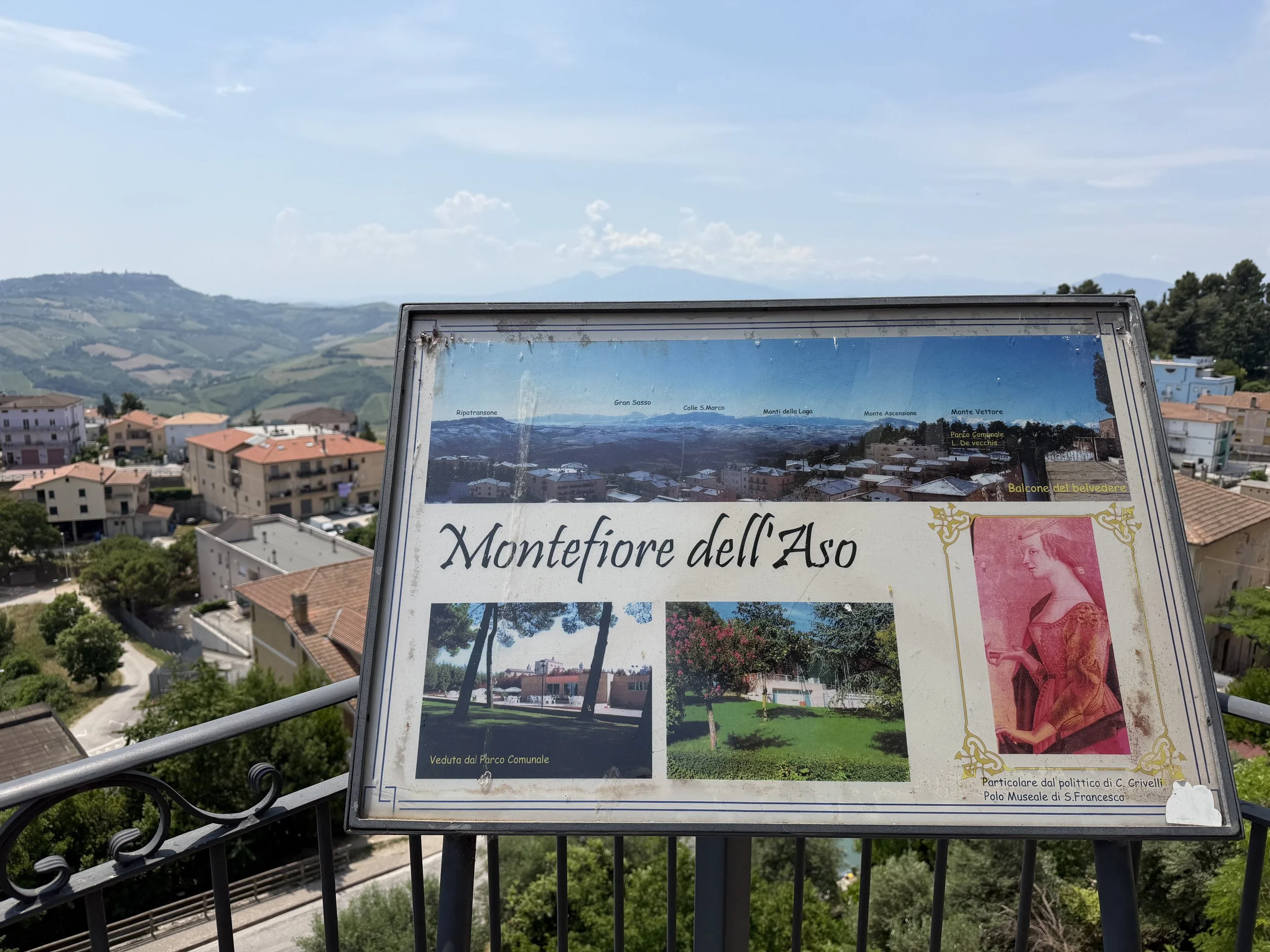
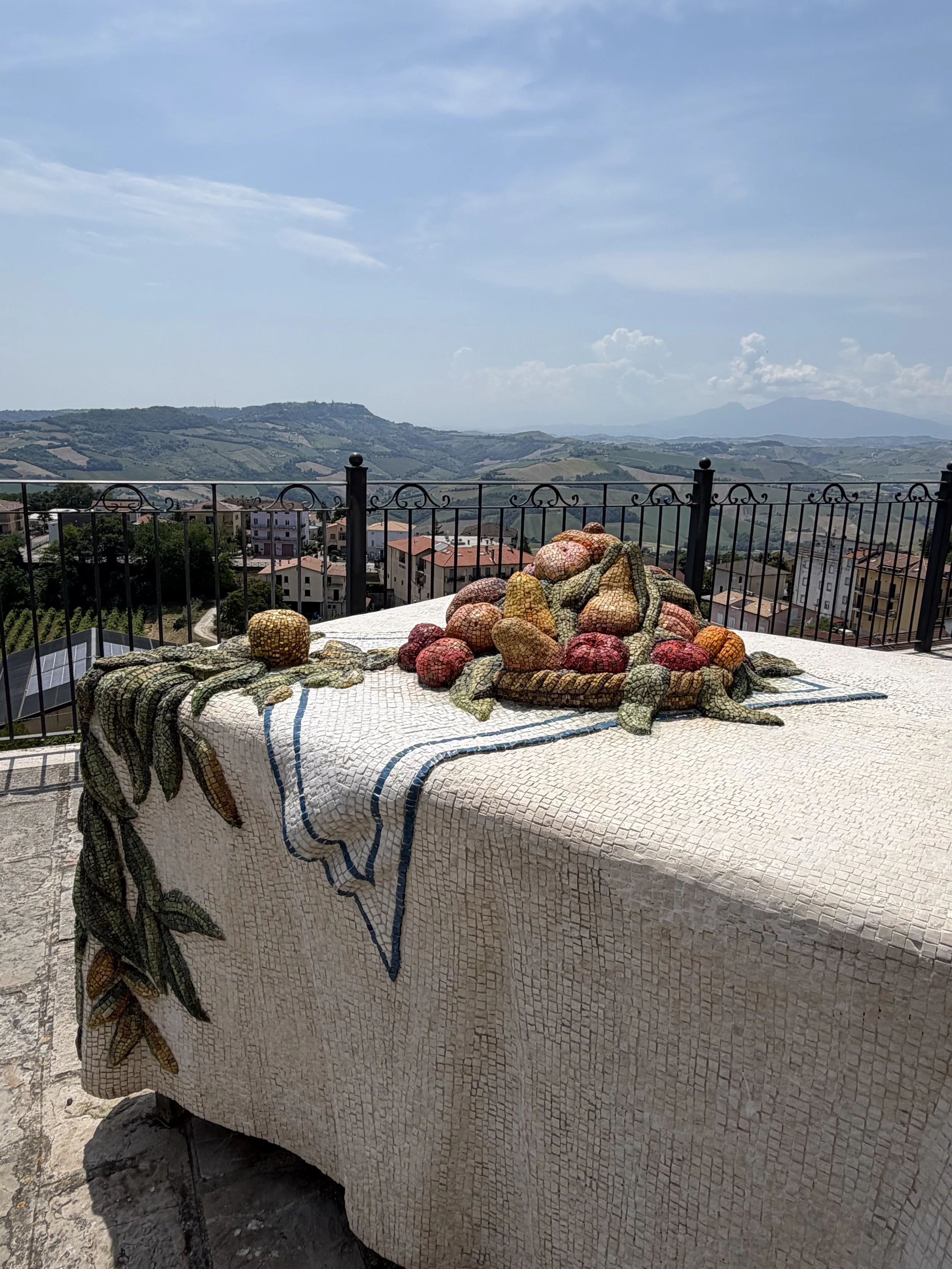
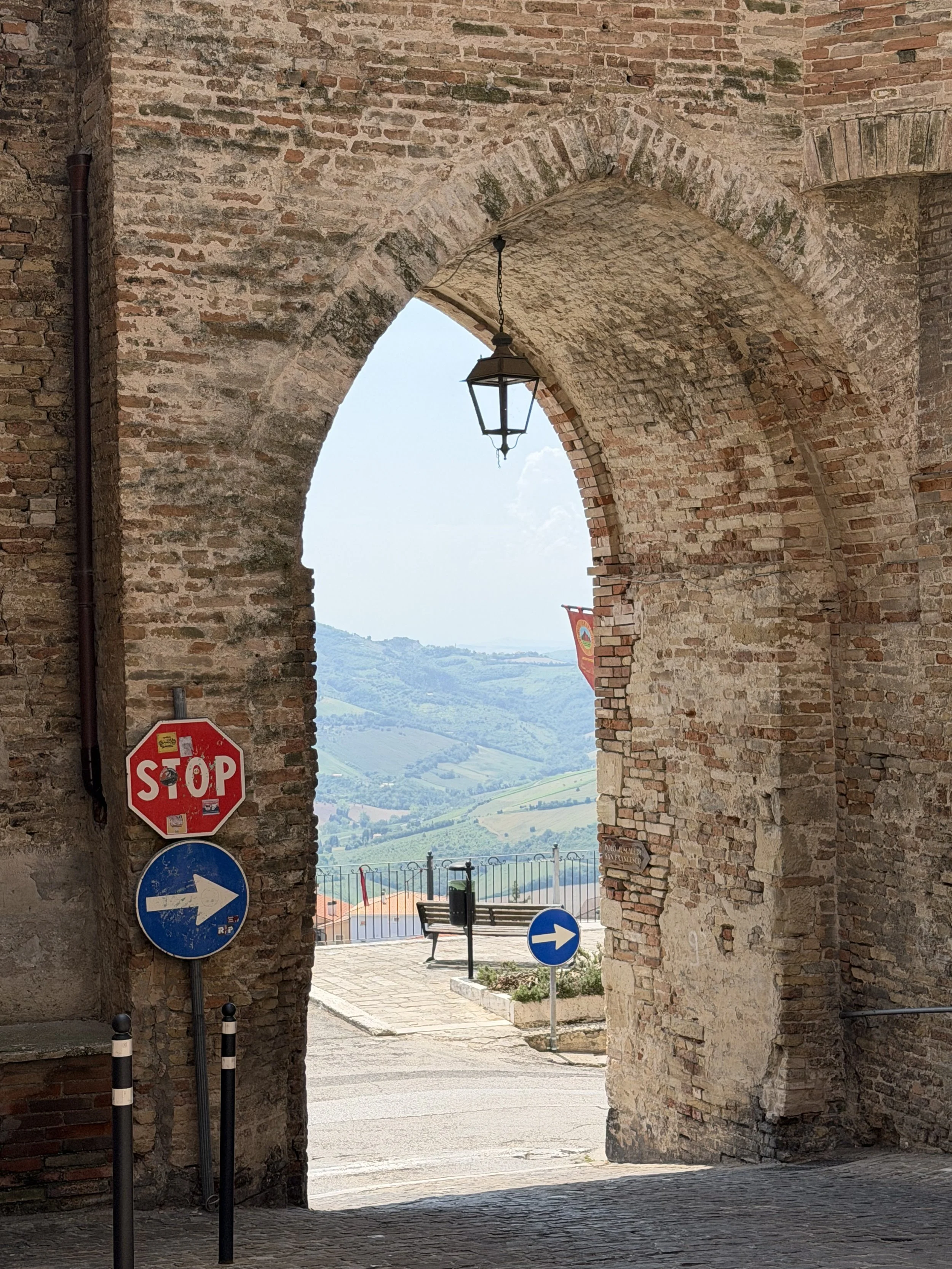
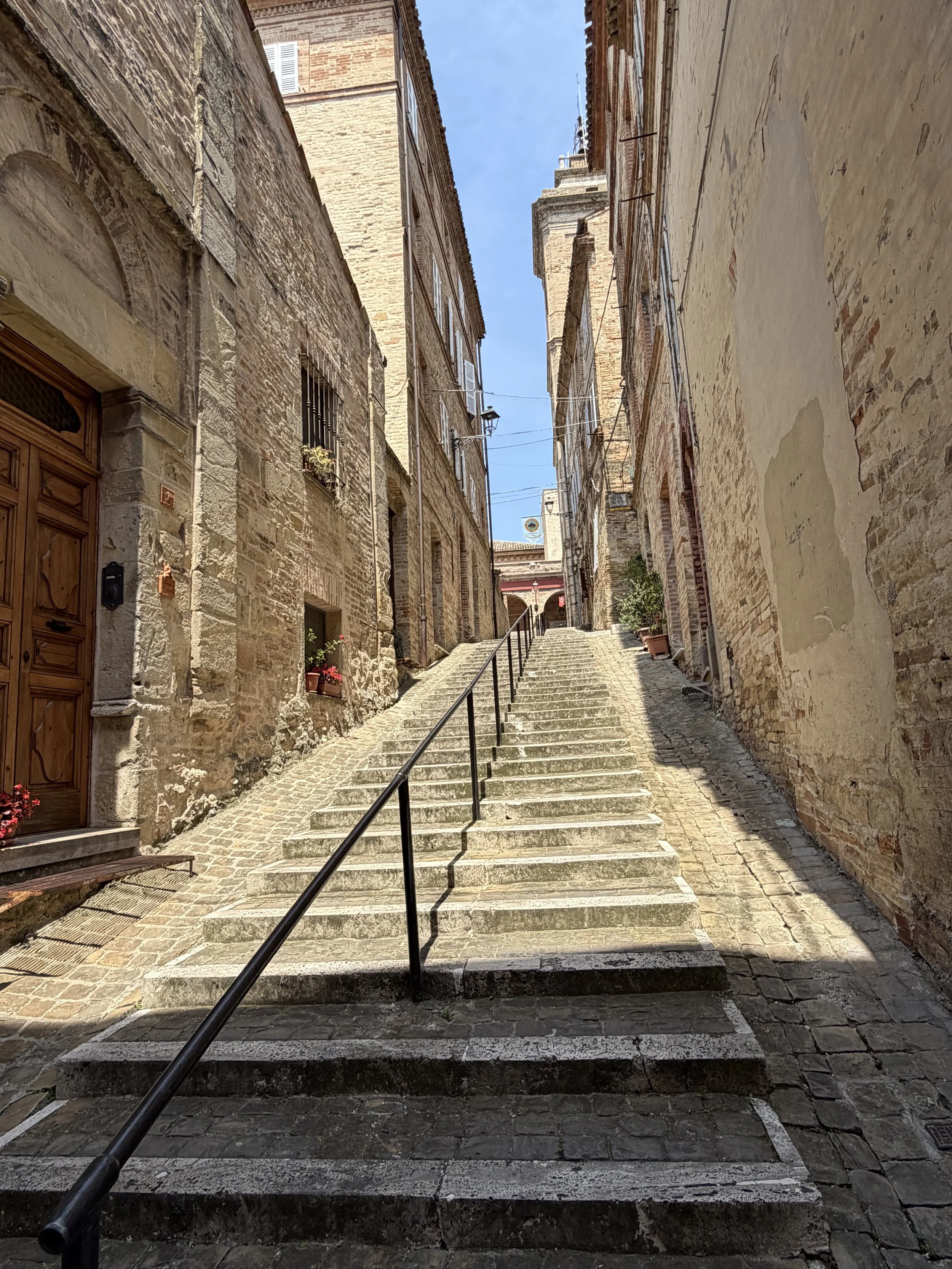
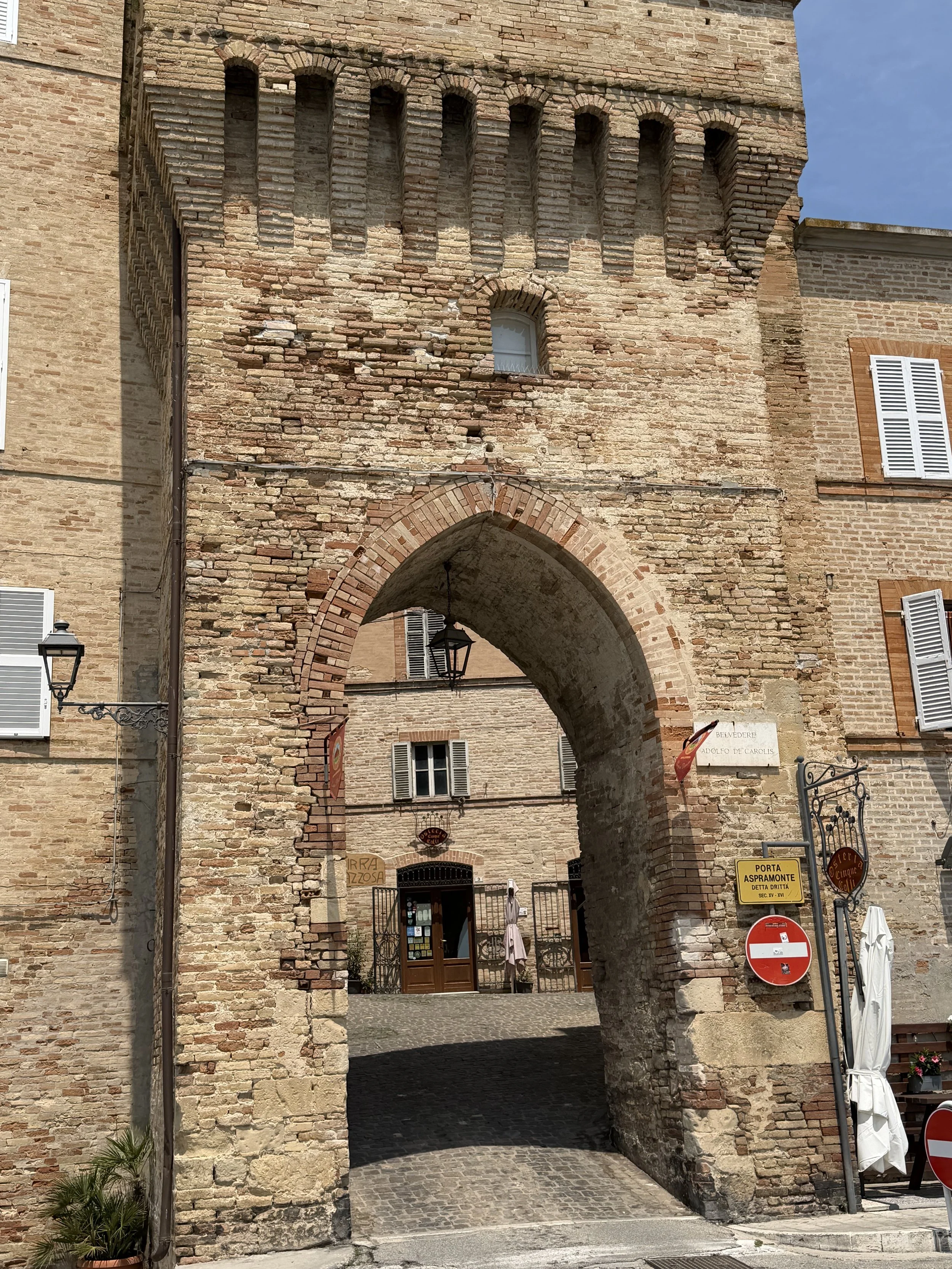
Montefiore dell'Aso is the kind of Italian hill town that makes you wonder why everyone is still fighting over Florence. Perched on a ridge overlooking the Aso and Menocchia valleys in the province of Ascoli Piceno, it's a classic medieval fortified village — an elliptical historic center still enclosed by well-preserved city walls, six ancient towers, and two gates dating to the 14th and 16th centuries. The name itself is traditionally linked to the cult of the goddess Flora — Mons Floris — a rural divinity worshipped by ancient Italic peoples before the Roman conquest. Today it has a population of about 2,200, it's listed among the Borghi più belli d'Italia — Italy's Most Beautiful Villages — and most travelers have never heard of it. That's exactly the point.
I came here on a day that turned out to be one of the best I've had in Italy. It started underground.
The Wine Cave
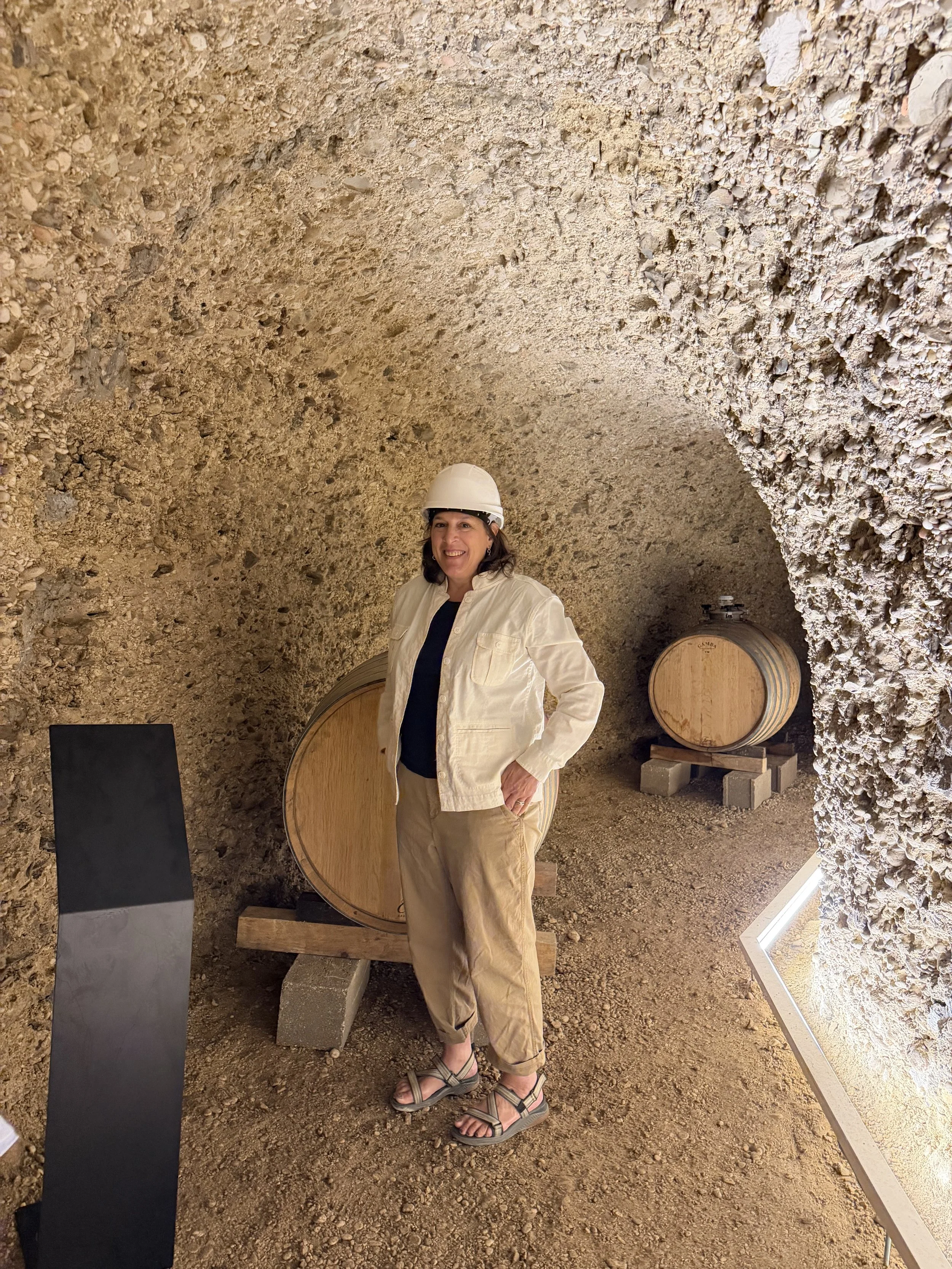
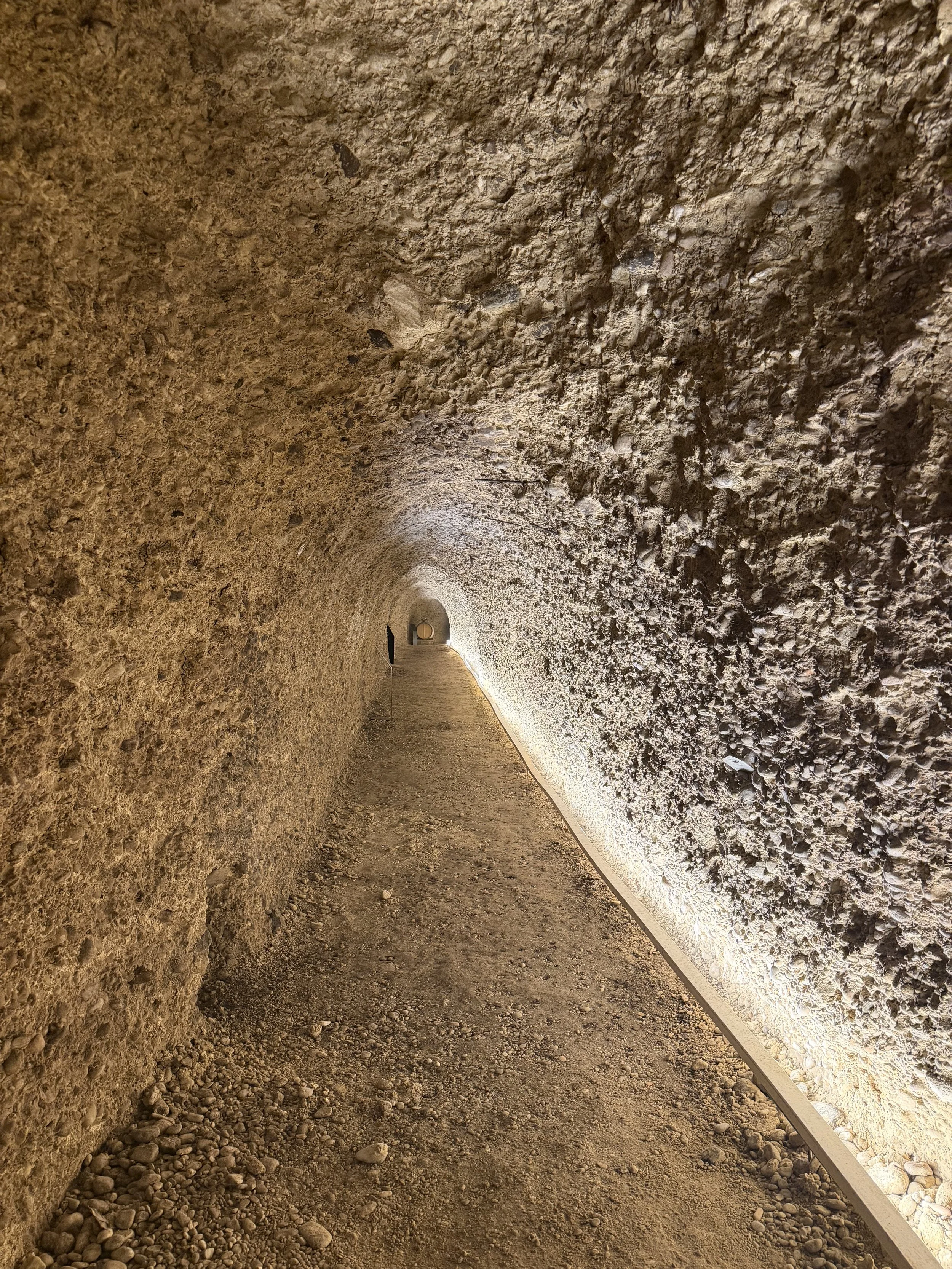
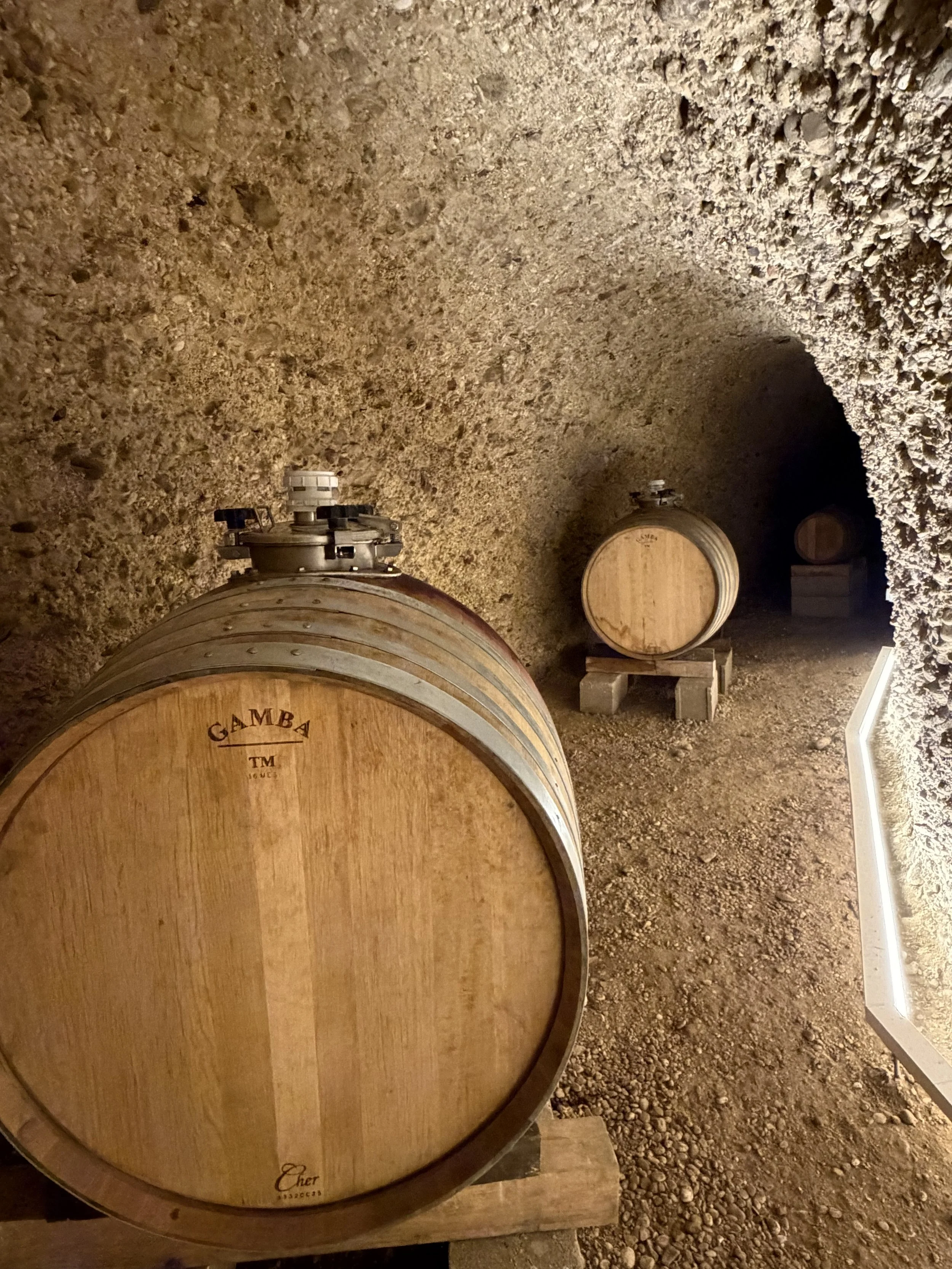
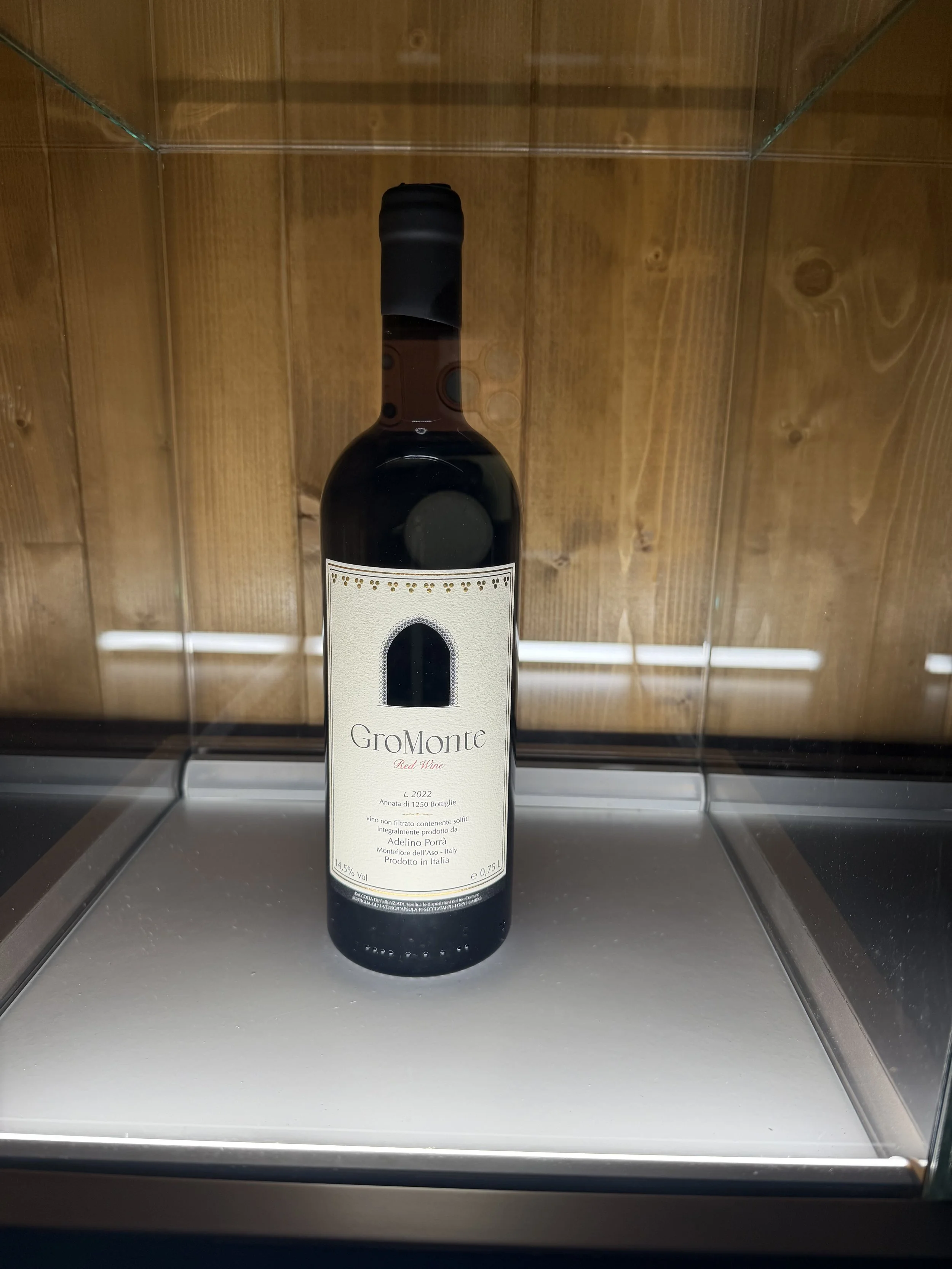
The day started underground. Literally. Adelino Porrà makes his wine — GroMonte, a red — in a cave carved into the hillside beneath the village. The walls are compressed river stone and tufo, the lighting is minimal, and yes, I wore a hard hat. Two French oak barrels hold his entire annual production: 1,250 bottles of the 2022 vintage. That's it. You won't find it outside of Montefiore dell'Aso — no online orders, no shop in Rome, no export. You have to be here. At 14.5% it's a structured, serious wine, and as I'd find out later that evening, it was exactly right with truffle pasta.
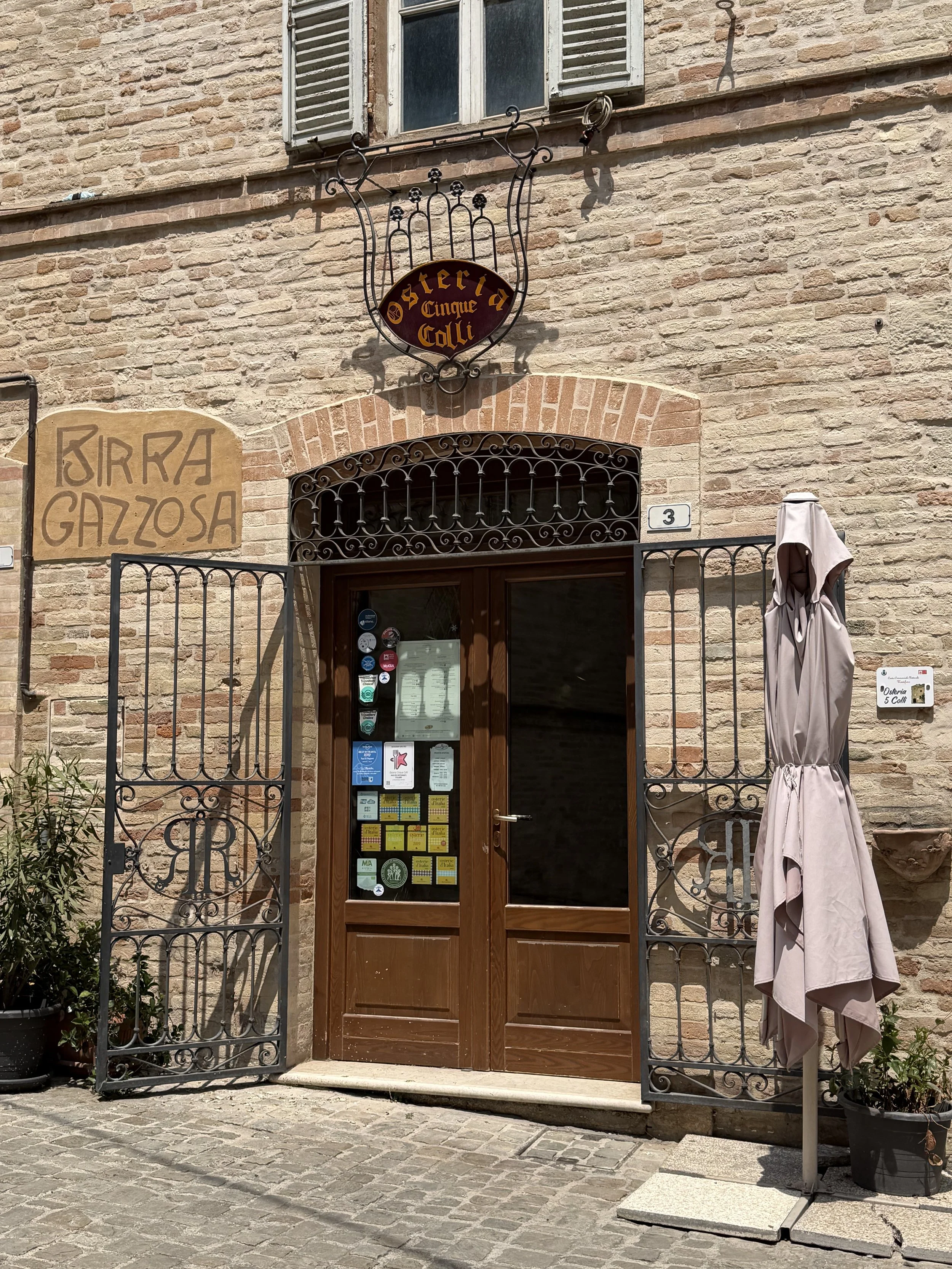
Osteria Cinque Colli
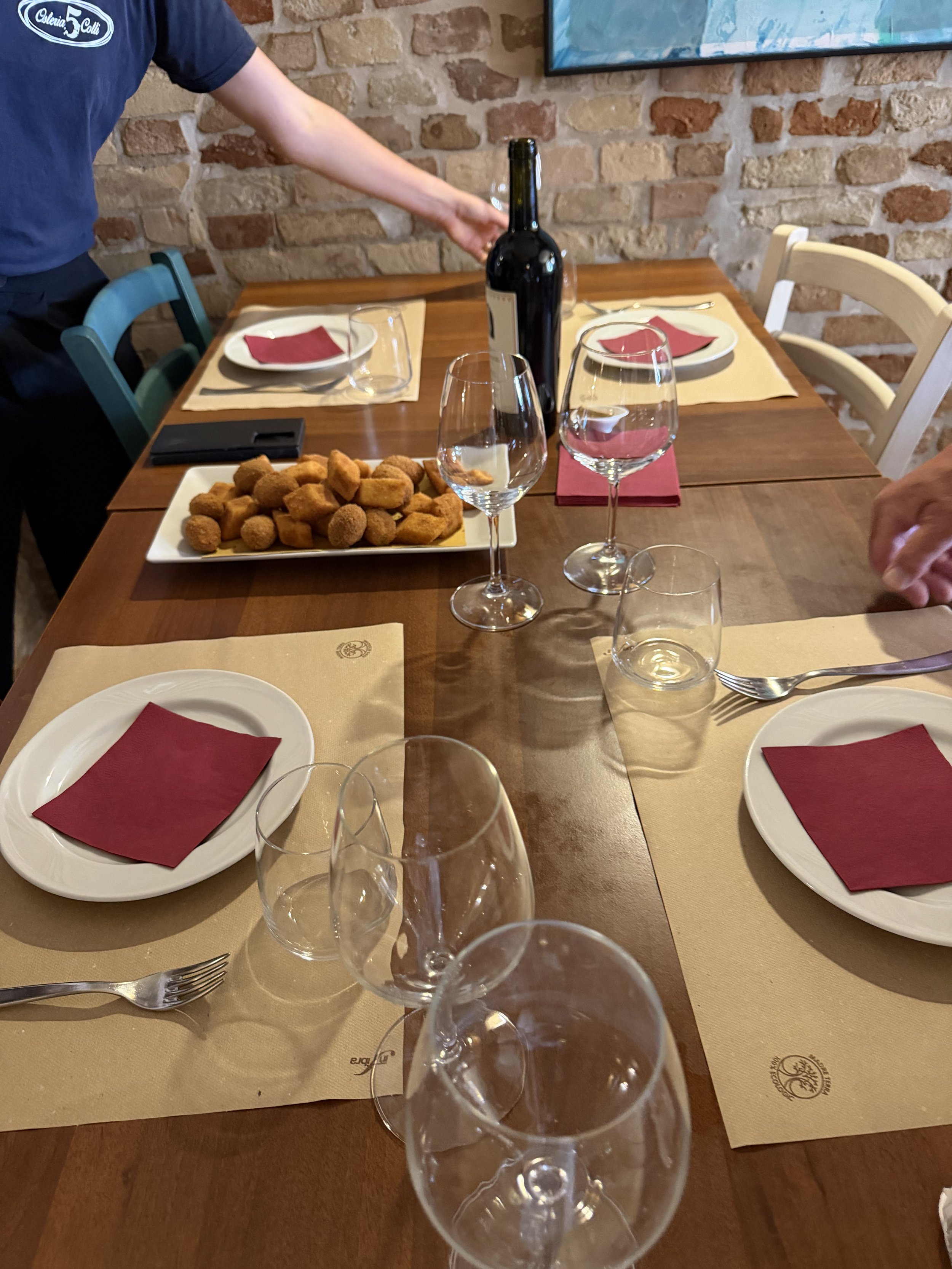
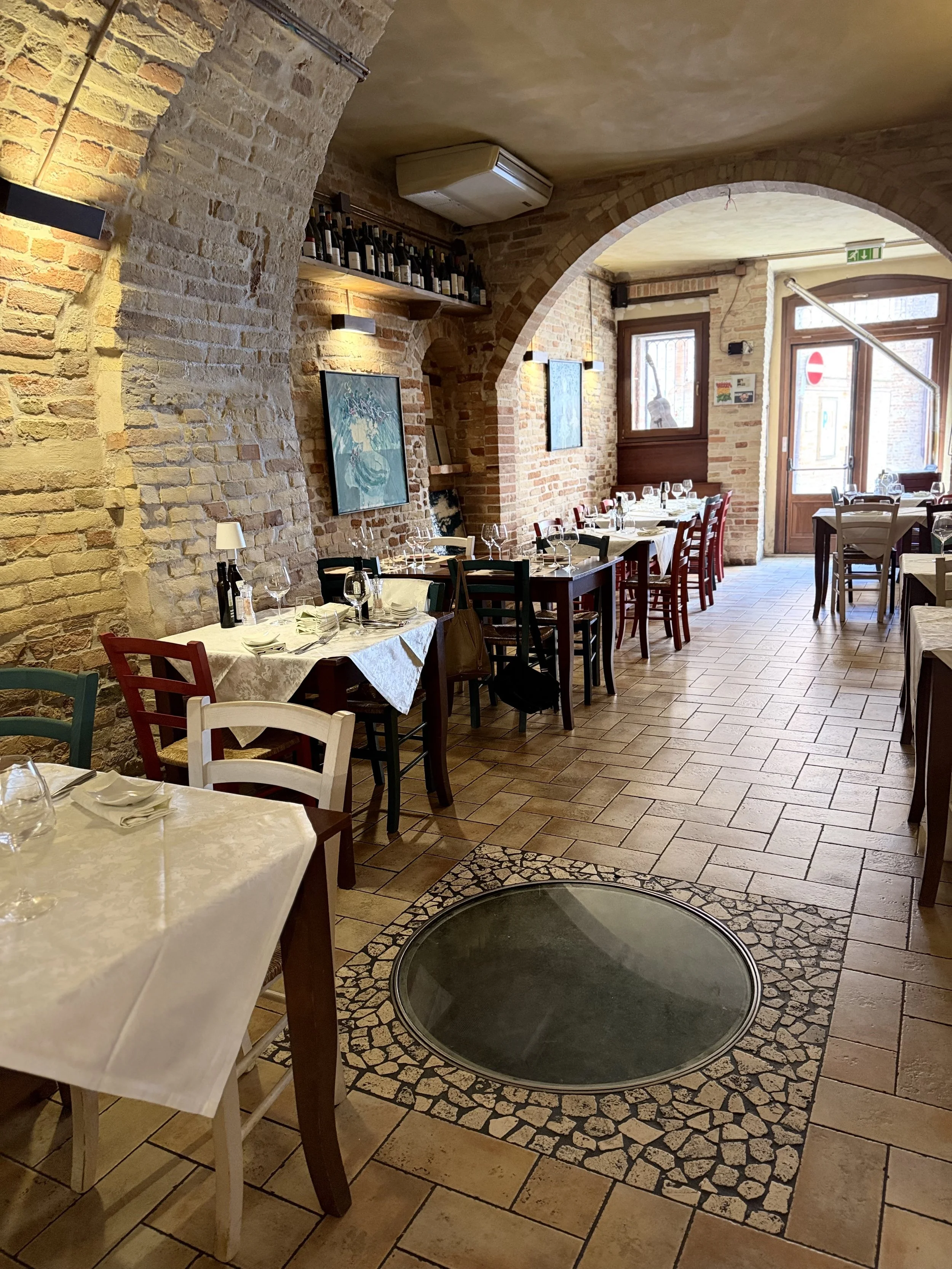
From the cave, we walked to Osteria Cinque Colli — a short walk, because everything in Montefiore dell'Aso is a short walk. Chef Giovanni and his wife Monika opened the restaurant in March 2015, converting a medieval cellar built into the old town walls into a dining room. Look down when you walk in — there's a glass panel in the floor showing the original foundation below. The exposed brick arches and terracotta floors have been there for centuries. Giovanni just added the kitchen and the wine list.
His cooking is rooted in Marchigiano land cuisine — seasonal, local, traditional in technique but not rigidly so. Before service, he ran a cooking class for us. We made three things.
Olive Ascolane
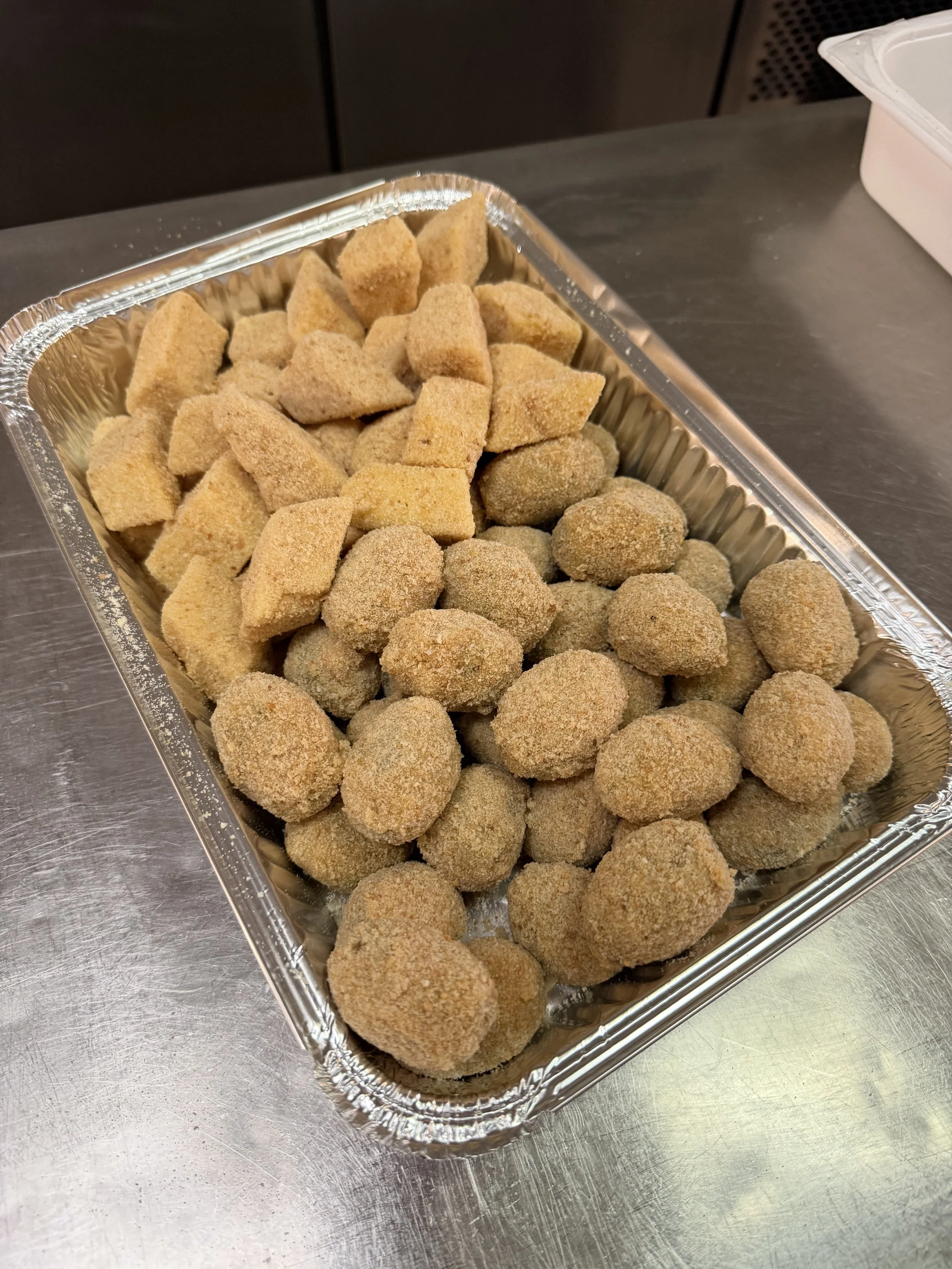
The Tenera Ascolana olive is native to this zone — large, thin-skinned, DOP protected, and grown nowhere else. You pit them carefully, then fill each one with a hand-mixed blend of beef, pork, and chicken with aromatics. As we stood at that prep station working through the filling, the breading, the shaping — flour, egg wash, fine breadcrumbs — I kept thinking about what a labor of love this is. Every single olive, done by hand. It's time-consuming, it's precise, and when you eat one that's been made properly, you understand immediately why this dish belongs to this place. You know you're in Ascoli Piceno, Le Marche. There's nothing else like it.
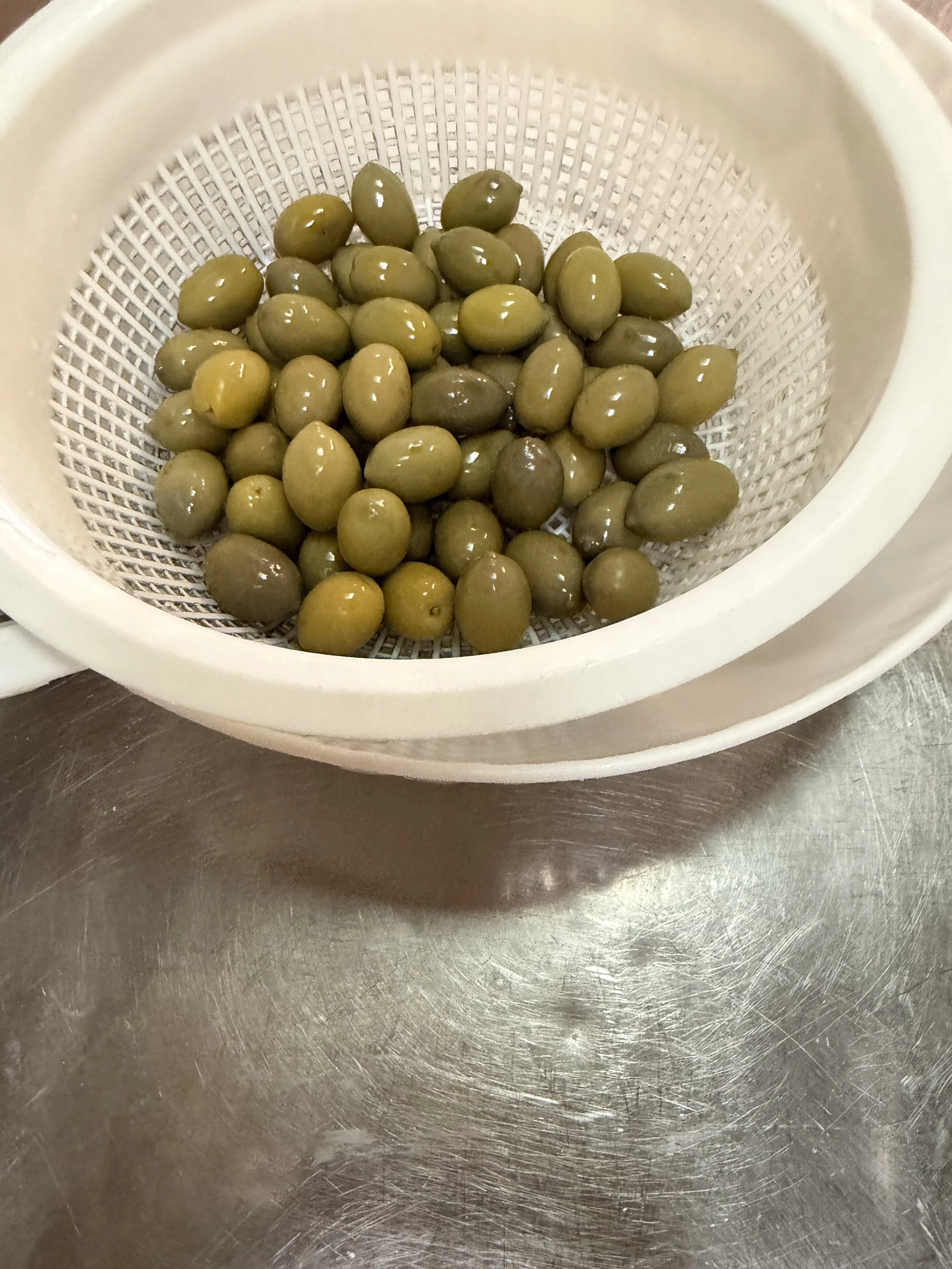
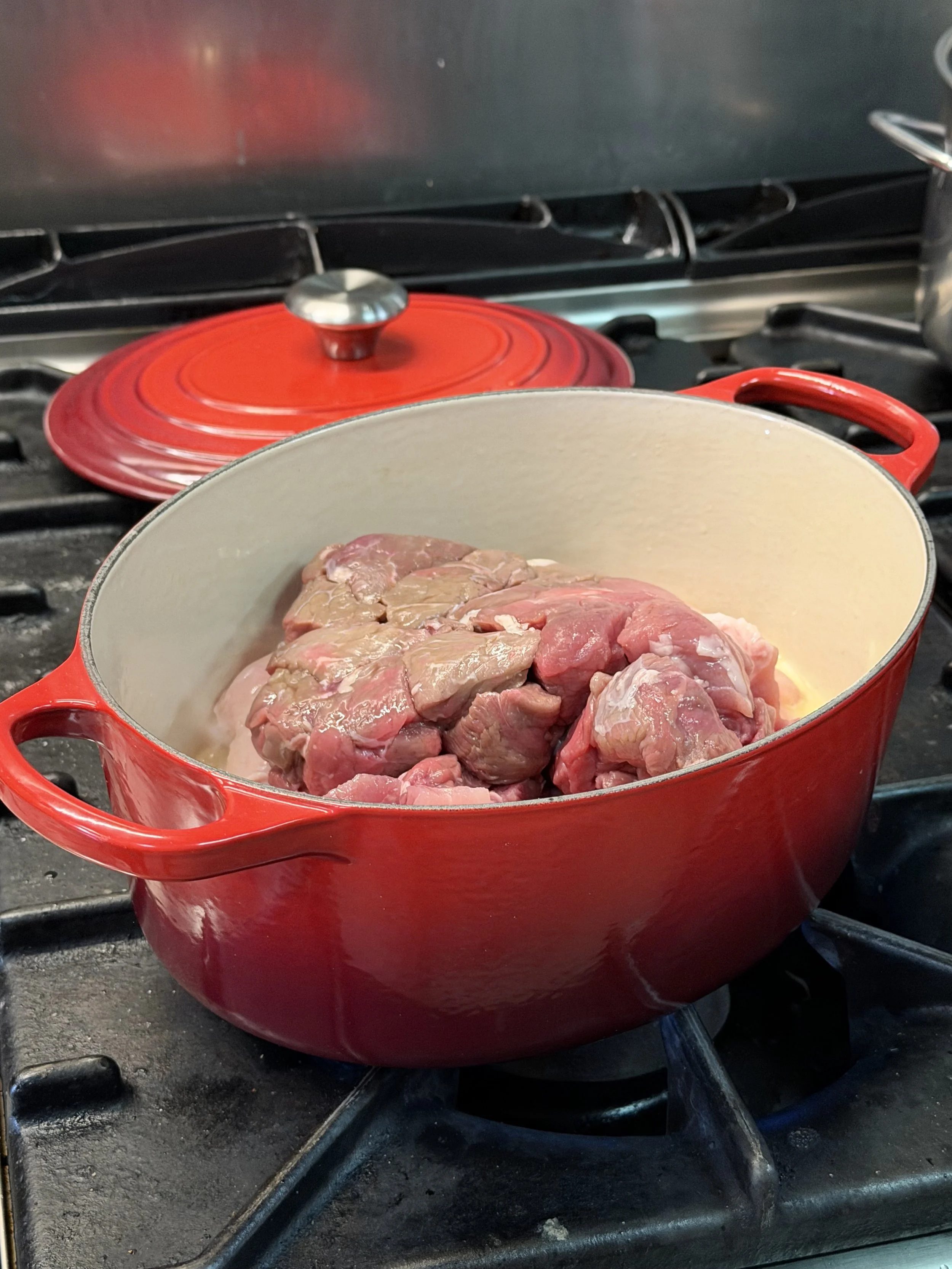
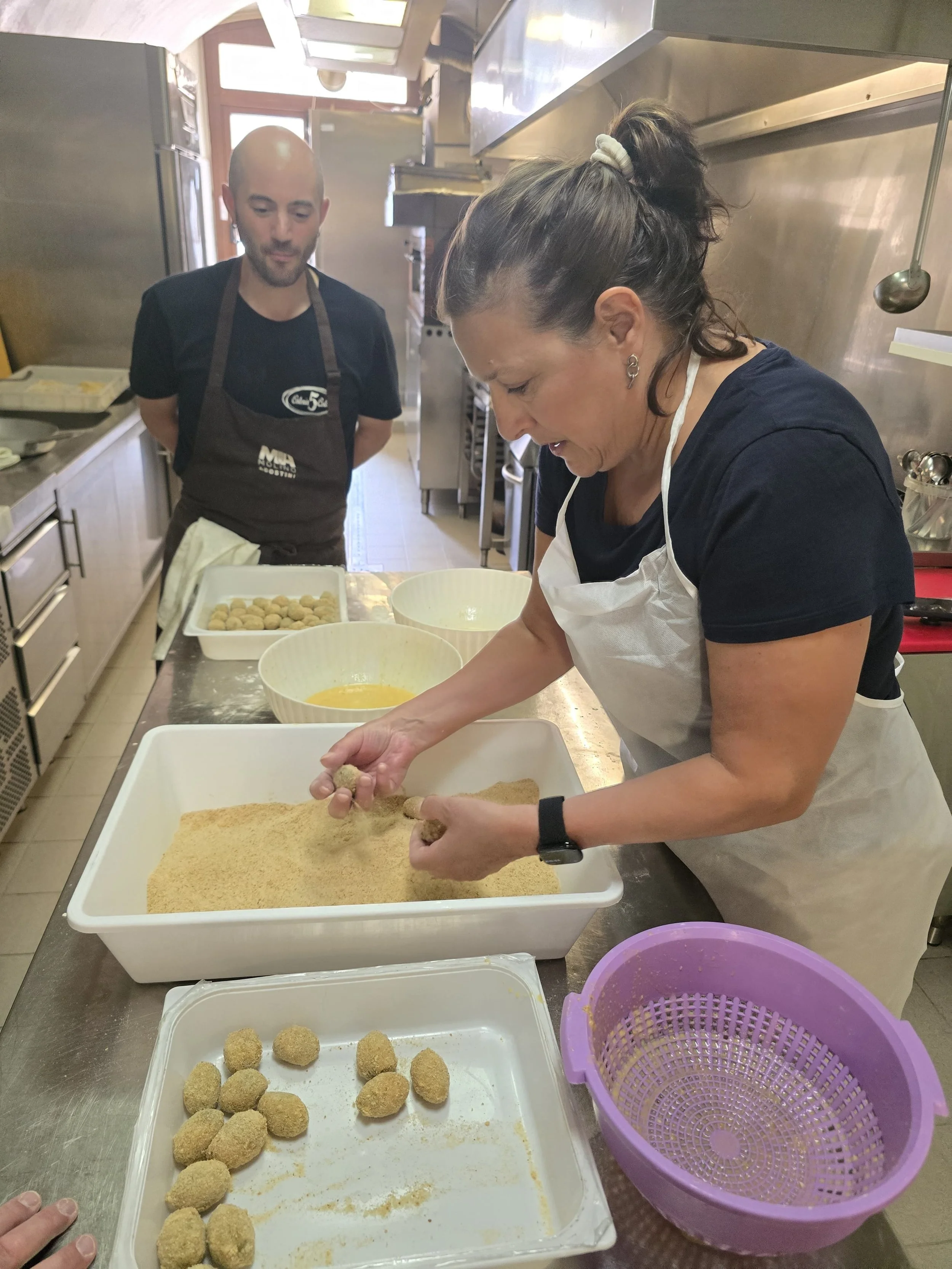
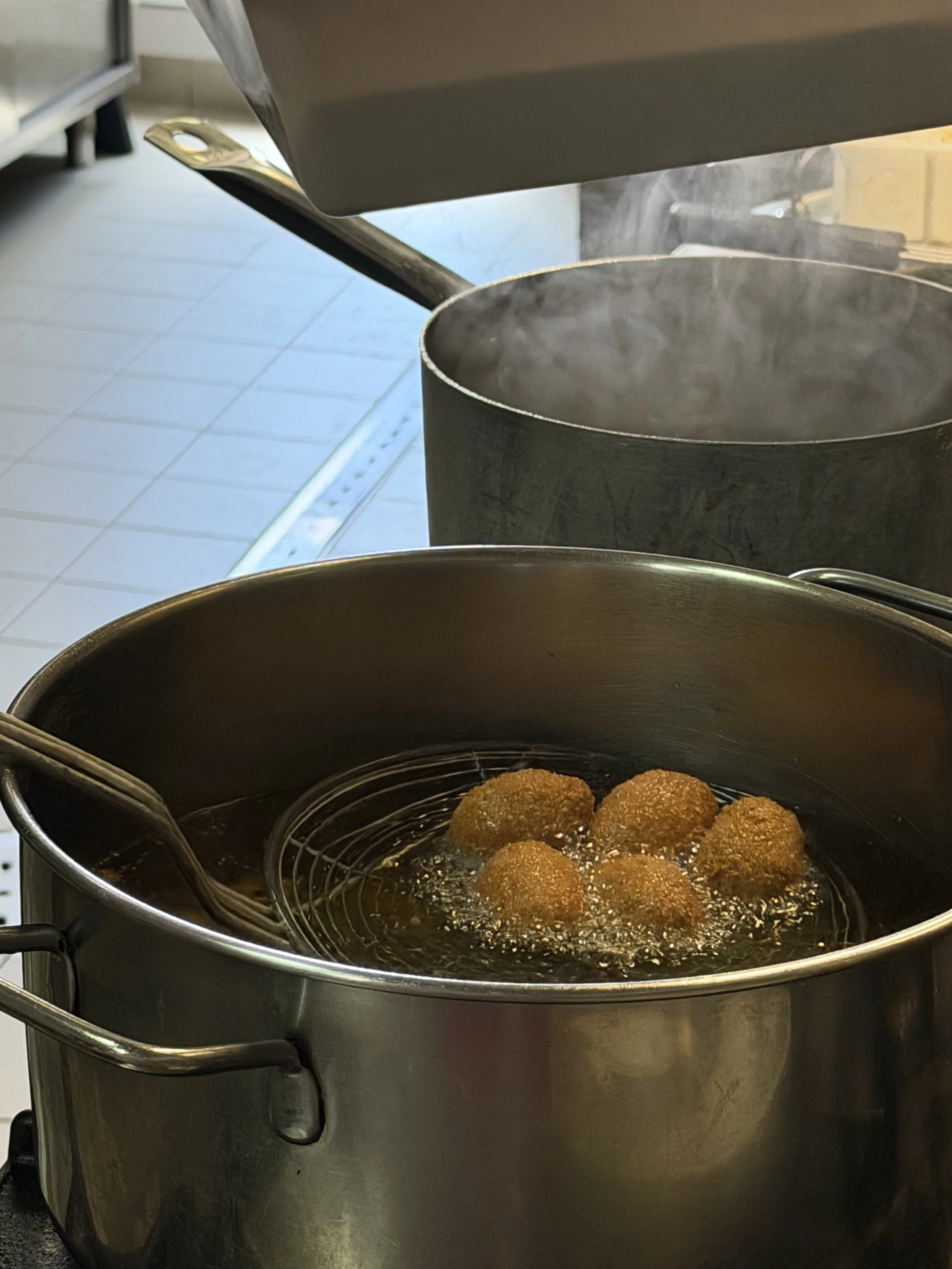
This is where it starts. Monika peeling Tenera Ascolana olives - The DOP-protected olive grown only in this zone. Every single one done by hand.
Crema
Crema is the lesser-known half of a pairing that's completely typical throughout Le Marche — you'll find olive ascolane and crema served together at bars and restaurants across the region. Most visitors outside Italy have never encountered it. Crema is a solidified sweet cream — fresh milk, sugar, and cornstarch set firm, then breaded and fried exactly the same way as the olives. Savory and sweet on the same plate, both fried, both from this region. It's one of those combinations that sounds odd until you eat it, and then it makes complete sense. It's my favorite thing on the table, every time.
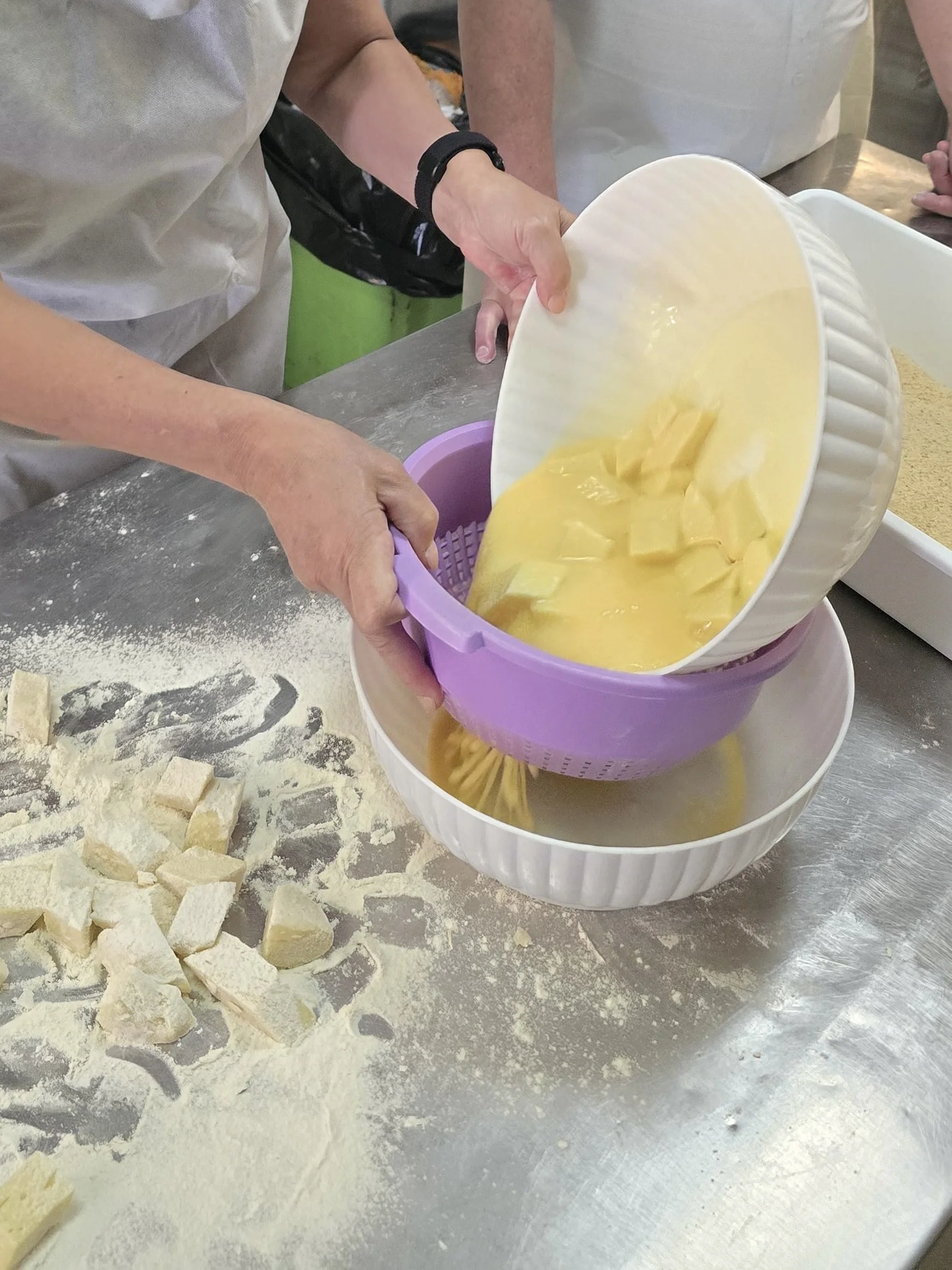
Crema starts as a sweet cream — fresh milk, sugar and cornstarch — cooked until firm, then set on a wooden board to cool and set. Once it holds its shape it gets cut, breaded and fried. Unique to this region and worth every step.
Tagliatelle with Black Truffle
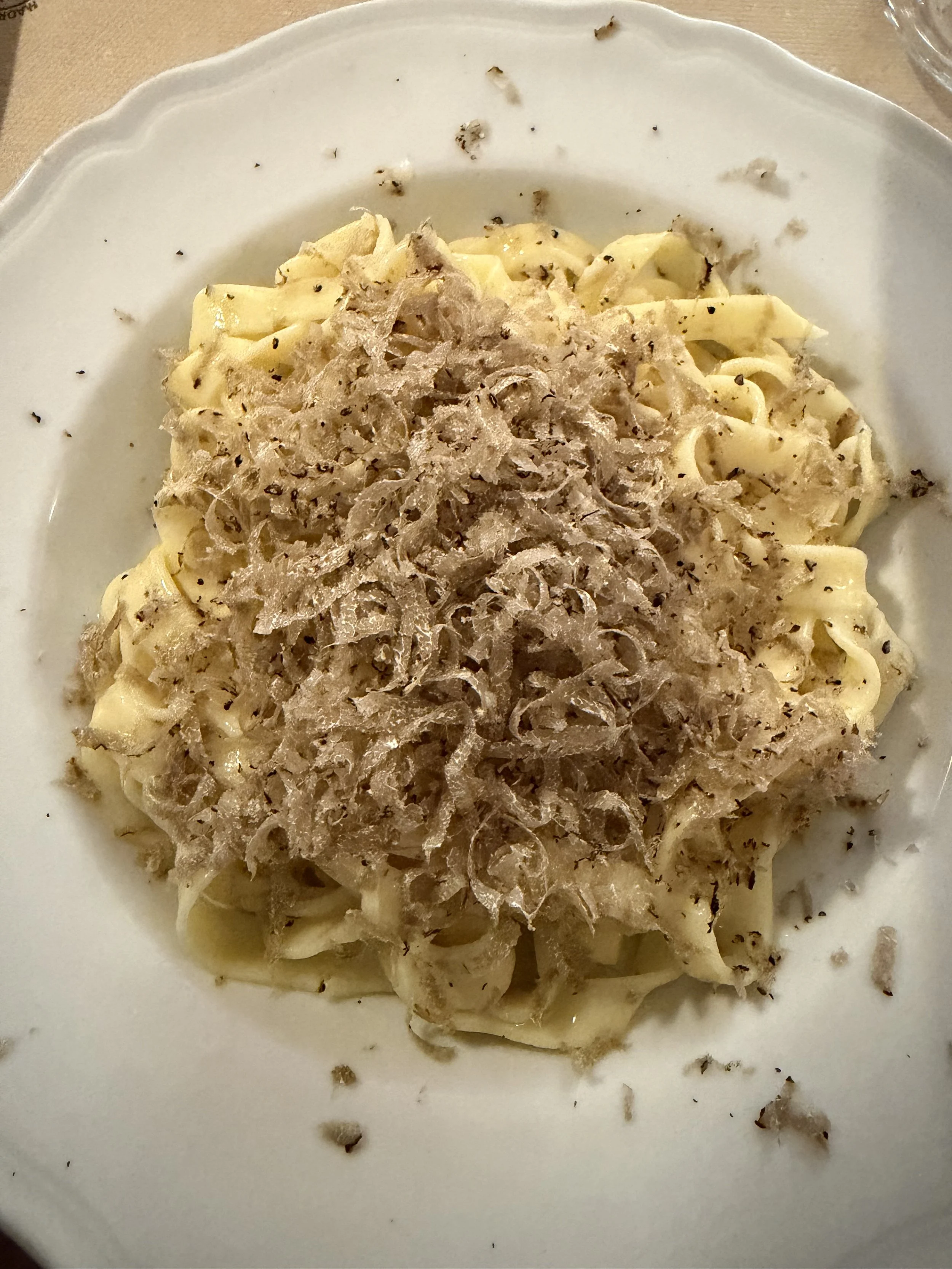
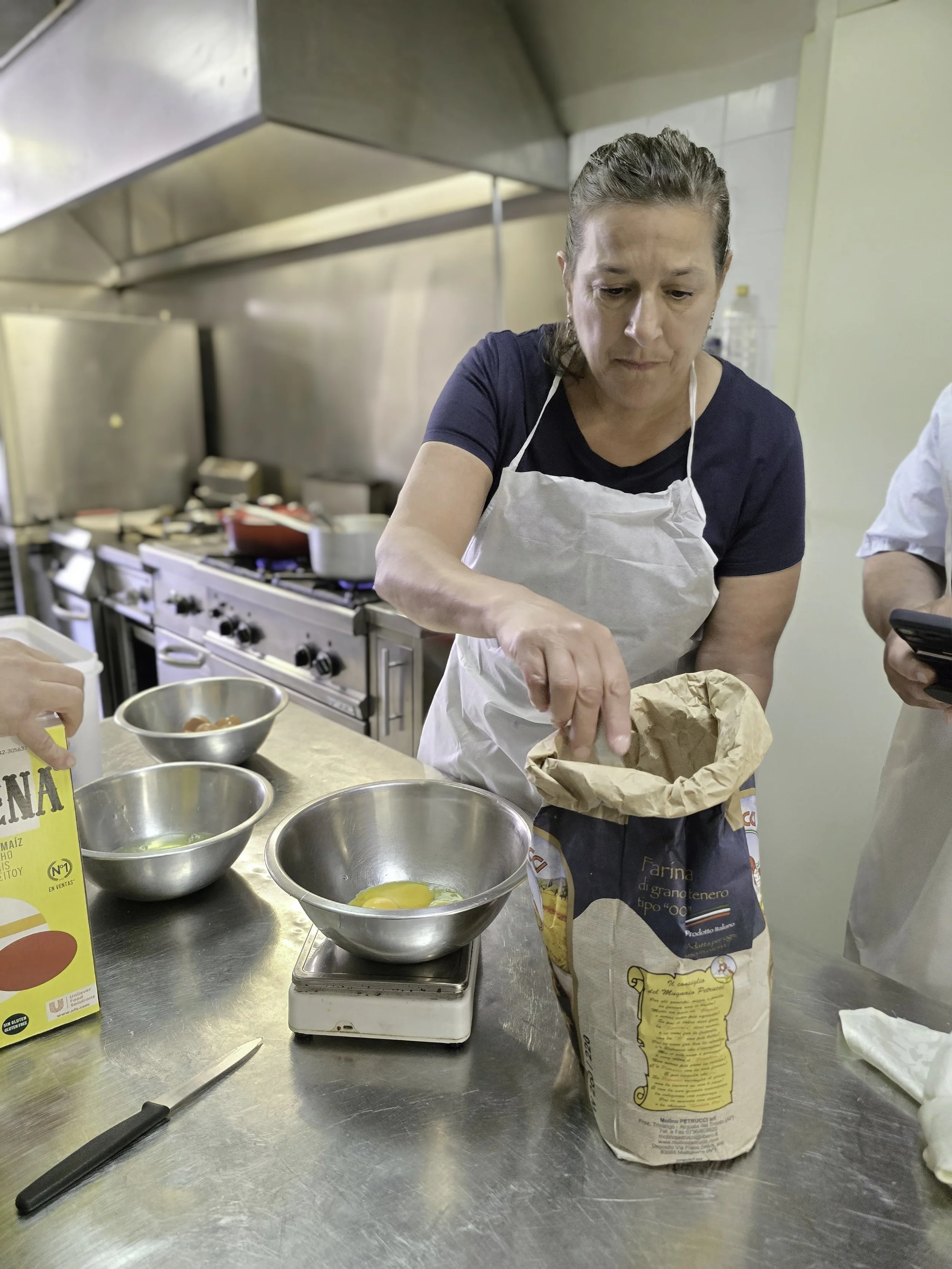
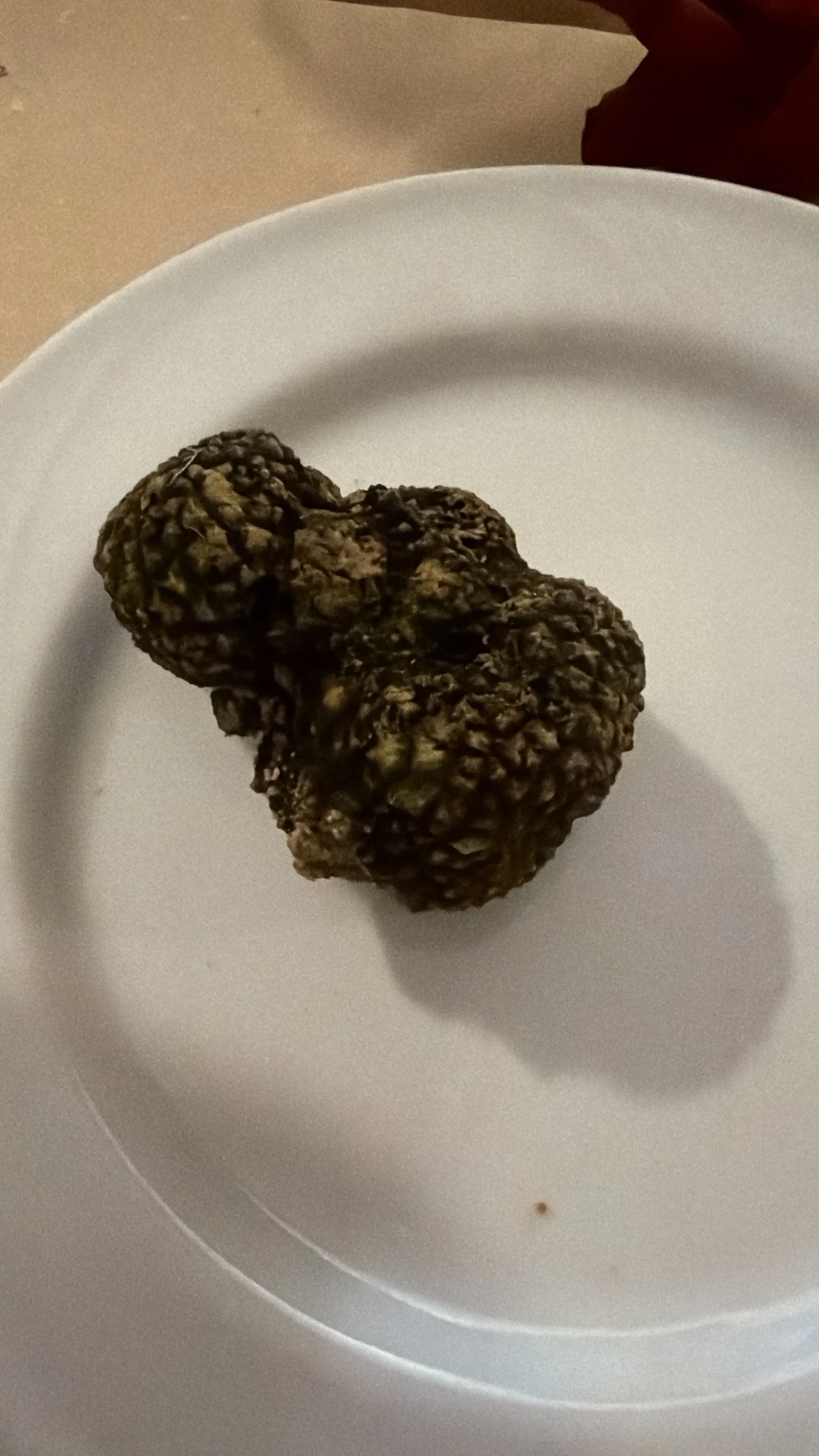
Hand-rolled pasta from tipo "00" flour, weighed out properly on a kitchen scale. Le Marche is serious truffle country — black truffles from these hills are exceptional — and it's something most people outside Italy don't know. The truffles that arrived that day were fresh from the surrounding hills. Giovanni shaved them generously over buttered tagliatelle. It was not a dish that needed improvement.
Sitting Down to Eat
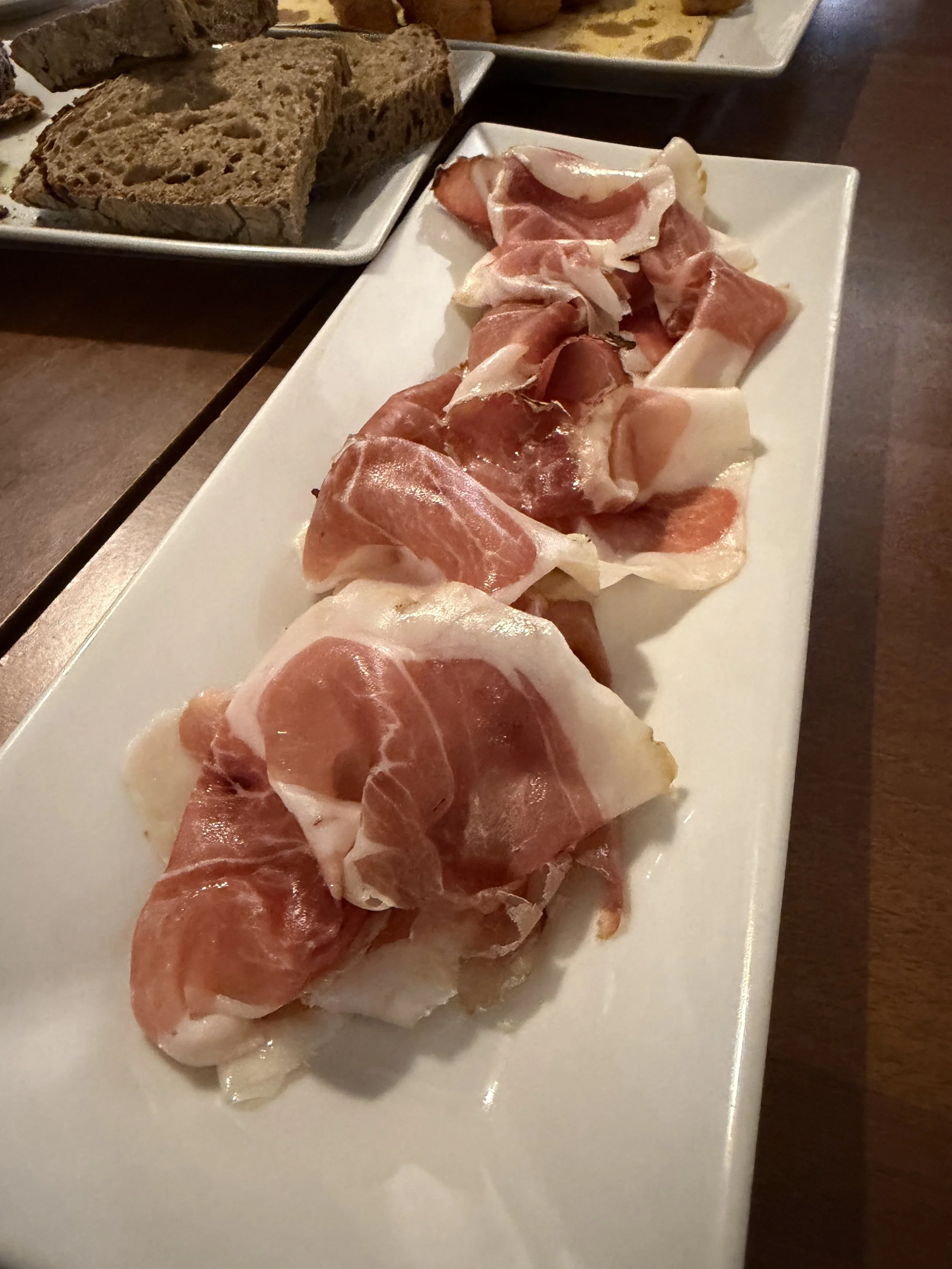
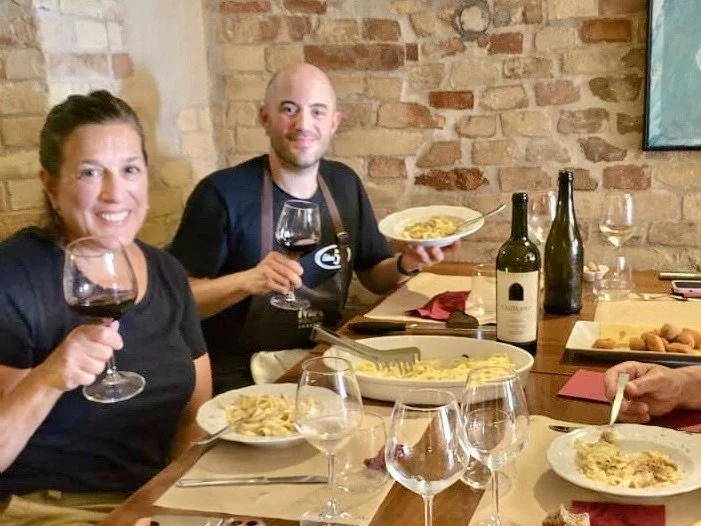
Then we did the best part — we sat down and ate everything we made. Giovanni came out with a local prosciutto that stopped the conversation. Buttery, delicate, completely different from Parma. Just from this area, just for the people who know to ask.
We started with the olive ascolane and crema, then moved to the tagliatelle with truffle. The GroMonte 2022 was already on the table — the same wine we'd been standing next to in the cave an hour earlier. To finish, Giovanni brought out Meletti — the anise liqueur that's been produced in Ascoli Piceno since 1870 and is as much a part of the end of a meal here as the coffee. It was a proper ending to a proper meal.
This kind of day doesn't happen by accident. It happens because a chef and his wife built something real in a village most travelers drive past, and because Le Marche hasn't been overrun yet. Both of those things are still true — for now.